The record is broken
The fever is breaking. Investors are waking up to a cold reality. The AI trade has shifted from a momentum play to a volatility trap. On Thursday, the S&P 500 breached the historic 7,500 mark. By Friday’s close, that milestone was a memory. The index surrendered 1.2 percent to finish at 7,408.50. This was not a routine pullback. It was a structural fracture. The tech-heavy Nasdaq Composite sank 1.5 percent. The leaders are now the laggards.
The numbers do not lie. They scream. Goldman Sachs trader Shawn Tuteja is sounding the alarm on what he calls a tale of two markets. Tuteja oversees ETF and custom baskets volatility trading. He sees a deep disconnect between AI earnings and market positioning. Per the latest Bloomberg market data, the broadening-out trade is dead. Capital is no longer flowing into cyclicals. It is huddling in a few overcrowded AI names. This concentration has created a massive volatility overhang.
Volatility is the new alpha
The AI rally is no longer about growth. It is about survival. Implied volatility in custom AI baskets is surging. While the CBOE Volatility Index remains relatively subdued at 18.50, the internal mechanics of the market are chaotic. Tuteja notes that hyperscalers like Microsoft and Google have committed 755 billion dollars in capital expenditure this year. This is real money. It is not speculative vapor. However, the levered ETFs tracking these names are now ticking time bombs. A 3 percent decline in the underlying asset can trigger a 10 percent cascade in these instruments.
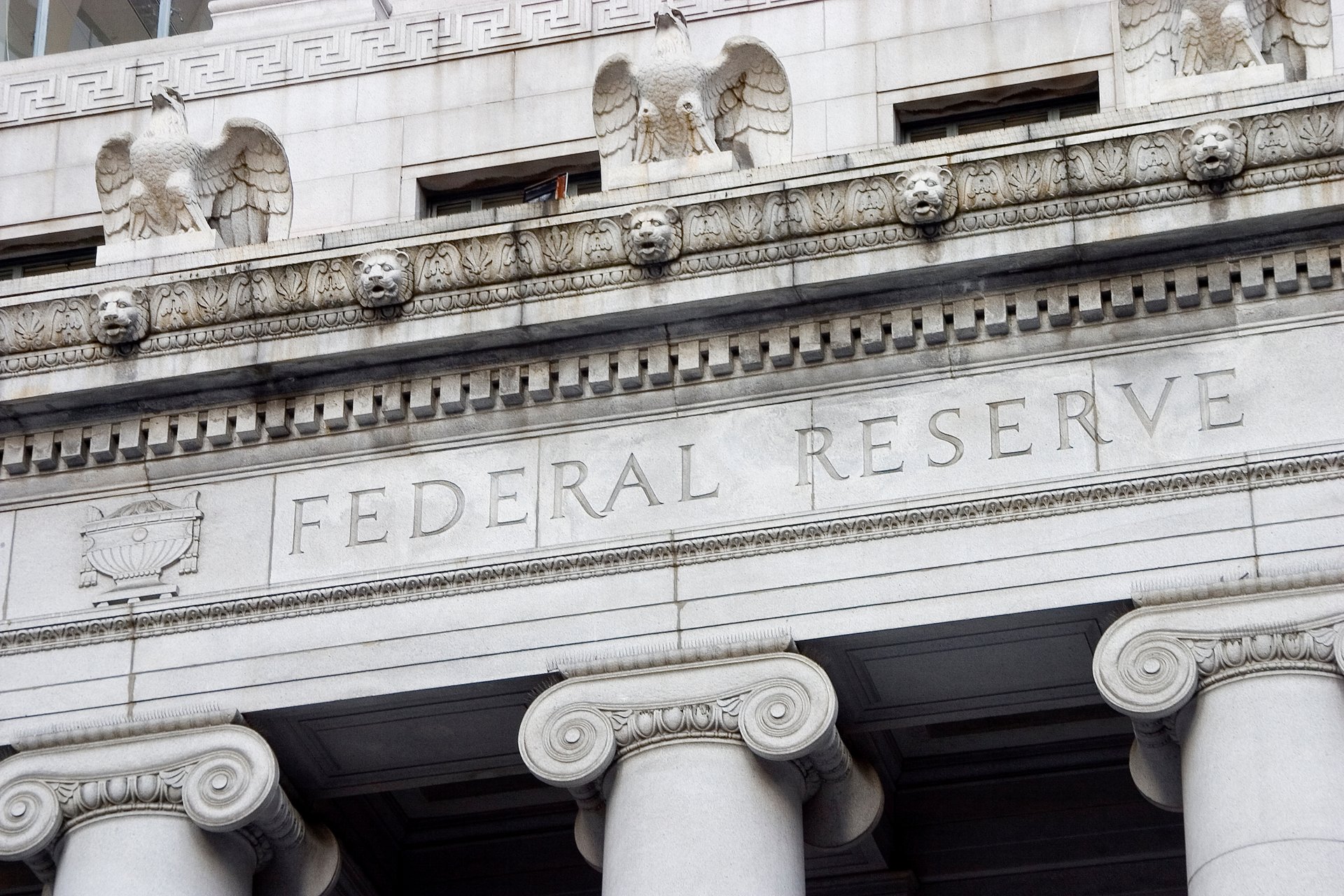
Inflation is the catalyst for this volatility. April CPI hit 3.8 percent. PPI surged to 6.0 percent. The Federal Reserve is trapped. Markets are no longer pricing in rate cuts. They are pricing in a hike. The 30-year Treasury yield has eclipsed 5 percent. This is a psychological threshold that tech investors cannot ignore. Higher rates crush the present value of future earnings. For high-multiple AI stocks, the math is becoming brutal.
Implied Volatility Spread: AI Baskets vs S&P 500
The price of concentration
Nvidia remains the sun around which the market orbits. On Friday, the stock dropped 4.4 percent to close at 225.32 dollars. It was the heaviest weight on the S&P 500. According to Yahoo Finance, the chipmaker has added 5 trillion dollars in market value over the last five years. But the air is getting thin. Investors are rotating out of the names that led the gamma-driven rally. They are preparing for a potential supply chain shock. A looming strike at Samsung Electronics threatens high-bandwidth memory supplies. This is the lifeblood of AI hardware.
| Ticker | Price (May 15) | 24h Change | Market Cap |
|---|---|---|---|
| NVDA | $225.32 | -4.4% | $5.6T |
| MSFT | $421.87 | +3.0% | $3.2T |
| MU | $142.10 | -6.6% | $160B |
| SPY | $740.85 | -1.2% | N/A |
The market is bifurcated. Microsoft managed a 3 percent gain on Friday despite the broader sell-off. This suggests a flight to quality within the tech sector. Investors are distinguishing between hardware makers facing supply risks and software giants with stable cash flows. But this safety is an illusion. If the 30-year yield stays above 5 percent, even the strongest balance sheets will feel the heat. Liquidity is a ghost. In a forced deleveraging event, everything gets sold.
The next 72 hours are critical. The market is holding its breath for the Nvidia first-quarter earnings report on May 20. This is the ultimate test for the AI narrative. If management guides for anything less than perfection, the volatility Tuteja warns about will turn into a rout. Watch the 4.6 percent level on the 10-year Treasury yield. If it breaks higher, the synthetic valuation trap will snap shut.