The metabolic gold rush is hitting a wall. Patients are tired of the needles. They are tired of the nausea. Wall Street is noticing the churn. For three years, the narrative in biopharma has been dominated by a singular obsession with GLP-1 agonists. Novo Nordisk and Eli Lilly built empires on the backs of Wegovy and Zepbound. But the honeymoon phase for these first-generation blockbusters is ending. High discontinuation rates are the new reality. Recent data suggests that nearly 30 percent of patients stop treatment within the first year due to gastrointestinal distress. The market is no longer asking if these drugs work. It is asking if patients can actually live with them.
The Nausea Barrier and the Search for Small Molecules
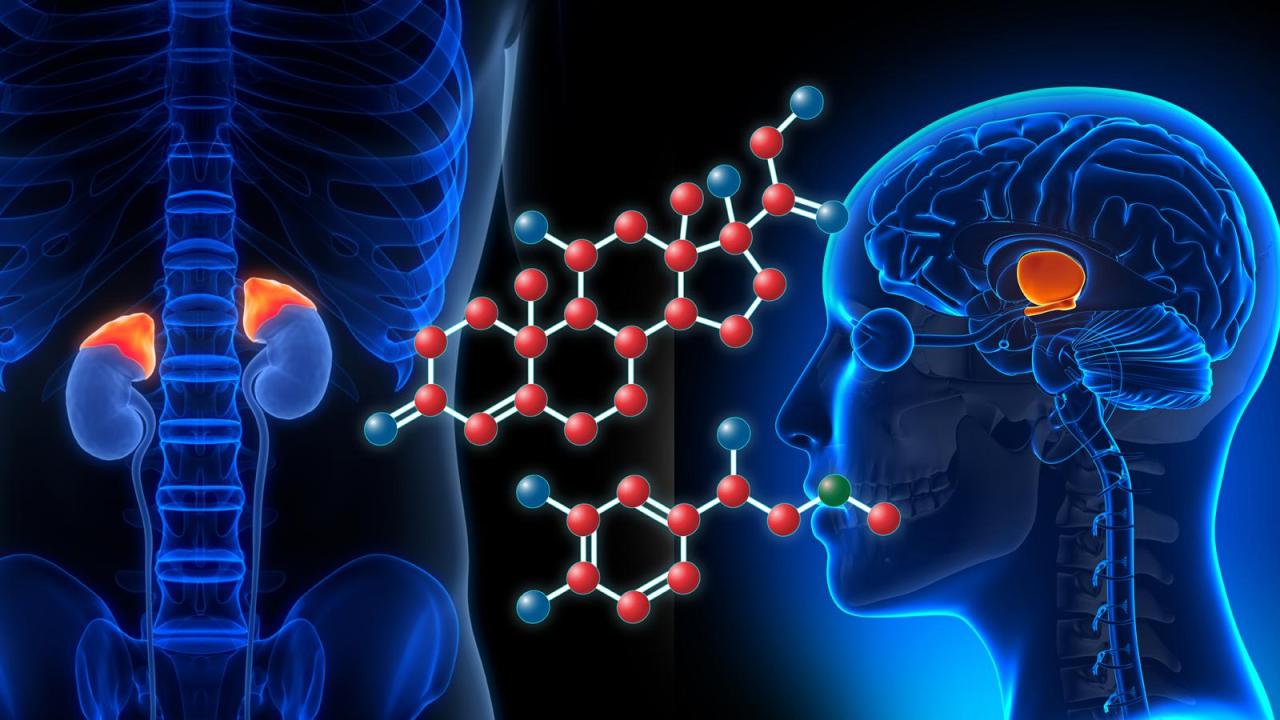
Pharmacological success is meaningless if the delivery mechanism is a deterrent. Current injectables mimic the hormone glucagon-like peptide-1 to slow gastric emptying. This process is inherently violent for the digestive system. It triggers the area postrema in the brain, the region responsible for emesis. This is why Reuters reported yesterday that clinical focus has shifted toward ‘tolerability-first’ chemistry. The goal is to bypass the rapid spikes in plasma concentration that cause the most severe side effects.
Eli Lilly is betting heavily on Orforglipron. This is a non-peptide, small-molecule GLP-1 receptor agonist. Unlike Wegovy, it is a pill. It does not require cold-chain storage. More importantly, its pharmacokinetic profile is smoother. It avoids the massive ‘peak and trough’ cycles of weekly injections. If the Phase III data holding up in early June is any indication, Orforglipron could cannibalize the injectable market by 2027. Investors are already pricing in this transition. The volatility in NVO and LLY shares over the last 48 hours reflects a market recalibrating for a post-needle world.
Comparative Efficacy and Tolerability Profiles as of June 2026
Amgen and the Monthly Pivot
Amgen is the dark horse in this race. Their lead candidate, MariTide, is not just another GLP-1. It is a bispecific molecule that activates the GLP-1 receptor while blocking the GIP (gastric inhibitory polypeptide) receptor. This is the inverse of Eli Lilly’s Mounjaro. The technical logic is sound. By antagonizing GIP, Amgen aims to improve fat mass reduction while mitigating the bone density loss seen in other treatments.
The real disruption is the dosing schedule. Per Bloomberg’s analysis of the June 5th clinical updates, MariTide maintains efficacy with monthly or even quarterly dosing. This solves the ‘pill fatigue’ and ‘needle dread’ simultaneously. The metabolic market is shifting from a lifestyle drug model to a maintenance therapy model. Amgen’s stock rose 6.4 percent in late trading on June 5 as data confirmed that weight loss was maintained even after dose de-escalation. This is the ‘holy grail’ of obesity management: a drug you don’t have to take every single day.
Technical Comparison of Next-Gen Candidates
| Drug Candidate | Manufacturer | Mechanism | Administration | Status (June 2026) |
|---|---|---|---|---|
| Orforglipron | Eli Lilly | GLP-1 (Small Molecule) | Daily Oral | Phase III Final Results |
| MariTide | Amgen | GLP-1 Agonist / GIP Antagonist | Monthly Injection | Phase IIb Extension |
| VK2735 | Viking Therapeutics | GLP-1 / GIP Dual Agonist | Weekly Oral | Phase II Data Release |
| CagriSema | Novo Nordisk | GLP-1 / Amylin Analog | Weekly Injection | Phase III Enrollment |
The Supply Chain of Satiety
Manufacturing these drugs is a logistical nightmare. Peptides like semaglutide require complex fermentation and purification processes. This is why shortages have persisted for years. Small molecules like Orforglipron change the industrial math. They are synthesized using standard chemical processes. This allows for massive scaling at a fraction of the cost.
Insurance companies are watching this closely. The current price point of $1,000 per month is unsustainable for Medicare and private payers. A shift toward synthetic small molecules will trigger a price war. We are seeing the first signs of this in the SEC filings of mid-cap biotech firms. They are pivoting away from novel peptides and toward ‘bio-better’ versions of existing molecules that can be produced cheaply in generic-ready facilities. The moat around Novo Nordisk and Eli Lilly is no longer their intellectual property. It is their ability to manufacture at a scale that the challengers cannot yet match.
The next twelve weeks are critical. We are waiting for the full readout of the ‘SURMOUNT-5’ head-to-head trials. This will determine if the newer, more tolerable drugs can actually match the raw weight-loss power of the high-dose injectables. Watch the July 15th FDA advisory committee meeting on oral GLP-1 safety. That data point will decide the winner of the second metabolic wave.