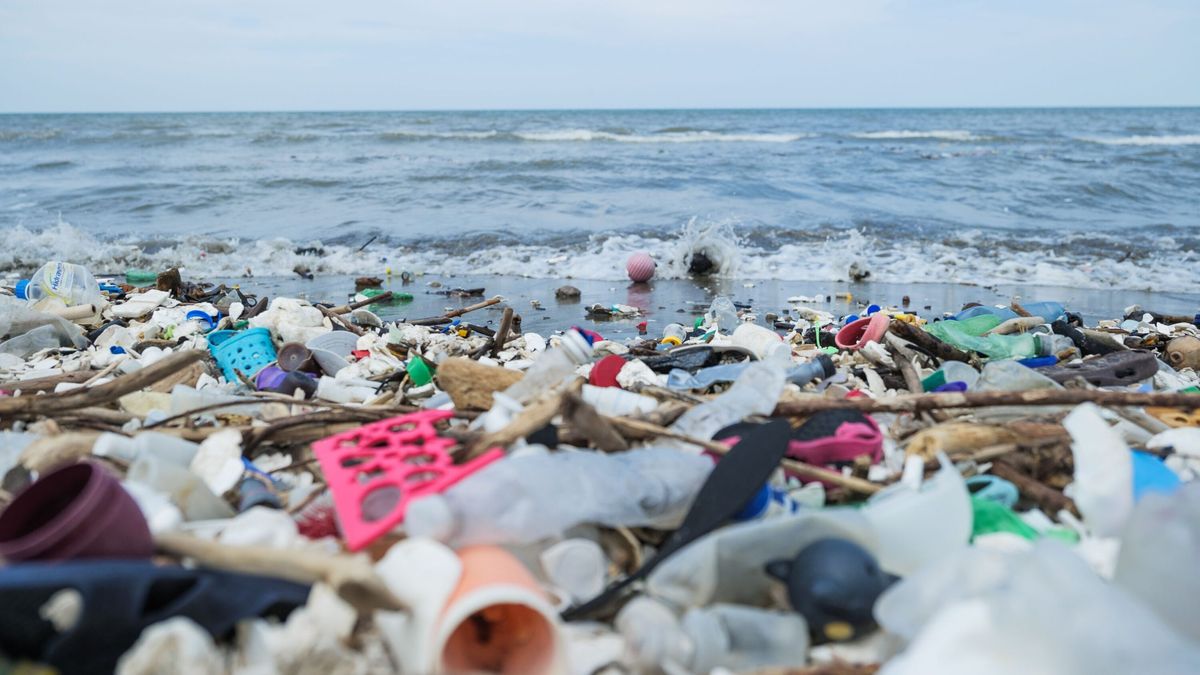
The oceans are emptying
Most of them. Except for a specific patch of the Pacific. The Western and Central Pacific Ocean (WCPO) stands alone today. It is the only major basin where tuna stocks remain within sustainable biological limits. This is not an accident of nature. It is a triumph of cartel-like management and rigorous data enforcement. While the Indian Ocean faces a yellowfin collapse and the Atlantic struggles with overcapacity, the WCPO has achieved what was once thought impossible. The United Nations Development Programme (UNDP) confirmed this week that twenty years of collaborative intervention have secured the future of the world’s most critical protein source.
The mechanics of artificial scarcity
Policy is the new predator. The Vessel Day Scheme (VDS) is the weapon of choice. Managed by the Parties to the Nauru Agreement (PNA), the VDS is a cap-and-trade system for fishing days. It does not limit the catch weight directly. It limits the time spent on the water. This creates an artificial scarcity of fishing access. The price of a single fishing day has skyrocketed. A decade ago, a day cost roughly $500. Current market rates have surged past $12,000 per day. This revenue flows directly to 14 Pacific Island states, accounting for up to 50 percent of some national budgets. It is a transfer of wealth from distant-water fishing nations to the custodians of the resource.
Harvest Control Rules and algorithmic governance
Management is no longer a matter of political debate. It is a matter of mathematics. The WCPO utilizes Harvest Control Rules (HCRs). These are pre-agreed management actions triggered by biological data. If the biomass of a species like bigeye or skipjack drops below a certain threshold, the rules trigger automatic cuts in fishing effort. There is no room for lobbying. There is no room for the diplomatic stalling that characterizes the Indian Ocean Tuna Commission. The data shows that skipjack, yellowfin, bigeye, and South Pacific albacore are all in the green. They are not overfished. Overfishing is not occurring.
Market implications for the global supply chain
The market loves a scarcity story. In the global protein trade, sustainability is the ultimate scarcity. Buyers from the European Union and North America are increasingly pivoting their procurement toward the WCPO. This shift is driven by ESG benchmarks and the threat of regulatory sanctions on non-sustainable imports. The Bangkok tuna hub, the world’s largest processing center, has seen a premium emerge for WCPO-certified skipjack. According to recent trade data, this premium has widened to 15 percent over Indian Ocean stock. The economic message is clear. If you want a secure supply chain, you pay the Pacific price.
The role of the Global Environment Facility
The success is not purely regional. It is the result of a twenty-year partnership involving the UNDP, the Global Environment Facility (GEF), and the Forum Fisheries Agency (FFA). This coalition provided the technical expertise to implement satellite-based vessel monitoring systems (VMS). Every legal vessel in the WCPO is tracked in real-time. Illegal, unreported, and unregulated (IUU) fishing has been drastically reduced through high-tech surveillance and regional cooperation. The FFA’s Regional Fisheries Surveillance Centre in Honiara acts as a digital fortress, coordinating patrol boats and aerial surveillance across millions of square kilometers of ocean.
Western and Central Pacific Tuna Catch and Stock Status
| Species | Annual Catch (Metric Tons) | Sustainability Status | Management Tool |
|---|---|---|---|
| Skipjack | 1,700,000 | Healthy | Vessel Day Scheme |
| Yellowfin | 600,000 | Healthy | Harvest Control Rules |
| Bigeye | 150,000 | Healthy | FAD Management |
| Albacore | 90,000 | Healthy | Target Reference Points |
The geopolitical tension is rising. Distant-water fishing nations, particularly from East Asia and Europe, are pushing for more access. They argue the VDS is too restrictive. They want more days. They want lower prices. The Pacific Island states are refusing to budge. They recognize that their power lies in the health of the biomass. If they over-allocate days, the sustainability premium vanishes. If the biomass collapses, their economies collapse. It is a high-stakes game of biological poker where the Pacific nations currently hold all the aces.
Looking ahead to the December negotiations
The next critical milestone is the annual meeting of the Western and Central Pacific Fisheries Commission (WCPFC) this coming December. Markets are watching the negotiations for South Pacific Albacore with intense scrutiny. This specific stock has been the subject of intense debate regarding target reference points. If the commission can finalize a robust management procedure for Albacore, the WCPO’s monopoly on comprehensive sustainability will be absolute. Institutional investors should monitor the 20 percent biomass threshold. Any deviation from this target in the preliminary December reports will signal a shift in the regional power balance.