The Arbitrage of Necessity
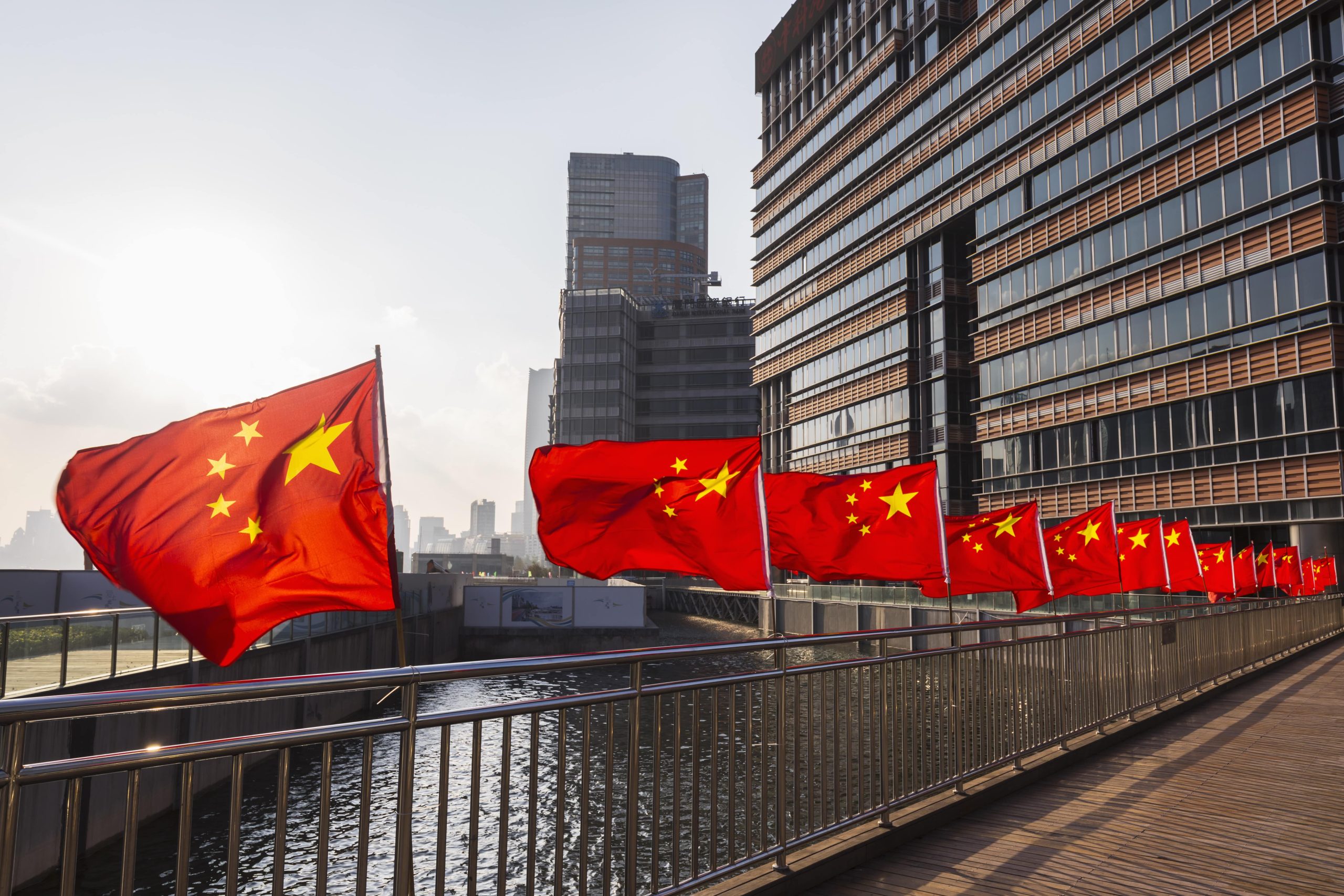
The border is porous. While Washington builds a fortress of 100 percent tariffs against Chinese electric vehicles, Ottawa is quietly opening the gate. Nissan is the first to blink. The Japanese automaker is now moving to leverage its massive, underutilized production capacity in China to feed the North American market. It is a calculated gamble on Canadian regulatory divergence. The math is brutal. A Nissan Ariya built in Kyushu costs nearly 15 percent more than its twin from the Wuhan plant. In a high-interest environment, that 15 percent is the difference between a balance sheet in the black and a slow bleed into irrelevance.
Nissan operates in China through a long-standing joint venture with Dongfeng Motor. For years, this was a cash cow. Now, it is a liability. Domestic Chinese brands like BYD and Xiaomi have decimated Nissan’s market share in the mainland. This has left the Dongfeng-Nissan factories running at a fraction of their potential. Exporting is the only logical escape. By shipping Chinese-made EVs to Canada, Nissan bypasses the prohibitive costs of Japanese or North American labor. They are effectively laundering Chinese industrial efficiency through a Japanese brand name to capture a Western consumer base that is increasingly price-sensitive.
The Dongfeng Connection
The technical architecture of this move relies on the Zhengzhou Nissan and Dongfeng Nissan production hubs. These facilities have been optimized for the latest CMF-EV platforms. Per recent reports from Bloomberg, the cost of lithium iron phosphate (LFP) battery integration in China has dropped another 12 percent over the last year. This allows Nissan to produce an entry-level EV with a range of 450 kilometers for a price point that North American factories cannot touch. The logistics are already in place. The Port of Dalian has become a primary staging ground for these shipments, with roll-on/roll-off vessels scheduled to reach Vancouver in under 18 days.
Canada’s stance is the pivot point. While the United States has effectively banned Chinese EVs through Section 301 tariffs, Canada has maintained a more nuanced trade posture. The Canadian Ministry of International Trade has signaled that meeting its 2035 zero-emission vehicle mandates requires a diverse supply chain. They cannot hit those targets with domestic production alone. This creates a regulatory vacuum. Nissan is simply the first legacy player to fill it. They are betting that the political optics of a Japanese badge will mask the Chinese origin of the hardware.
Global EV Import Tariffs as of May 18, 2026
Tariff Walls and Northern Cracks
The geopolitical friction is palpable. Under the USMCA, the rules of origin are strict. However, those rules primarily apply to duty-free movement between the US, Mexico, and Canada. If Nissan pays the Canadian Most Favored Nation (MFN) rate, currently hovering around 6.1 percent, they can sell freely within the Canadian domestic market. The friction arises if these vehicles attempt to cross the southern border into the United States. They would be hit with the full 100 percent tariff, effectively locking them in the Great White North. This creates a two-tier market in North America. Canada becomes a sanctuary for affordable, high-tech Chinese manufacturing, while the US remains an expensive island of protectionism.
Industry analysts at Reuters suggest that this move is a survival tactic for Nissan’s global CEO. The company’s operating margins have been squeezed by the transition to electric. By utilizing the Dongfeng joint venture for exports, Nissan avoids the massive capital expenditure required to retool its Tennessee or Mississippi plants for low-margin entry-level EVs. They are outsourcing the risk to their Chinese partners while retaining the retail markup in a stable currency like the Canadian Dollar.
The Margin Game
The financial implications are significant for the 2026 fiscal year. Nissan is looking at a gross margin improvement of approximately 2,200 USD per unit by sourcing from China rather than Japan. This accounts for shipping costs and the 6.1 percent Canadian duty. When scaled across a projected 40,000 units for the Canadian market, the impact on the bottom line is non-trivial. It also provides Nissan with a hedge against the volatile yen. By manufacturing in yuan and selling in Canadian dollars, they diversify their currency exposure in a way that their competitors, heavily reliant on US-based production, cannot match.
| Metric | Japan Production (Kyushu) | China Production (Wuhan) | Delta (%) |
|---|---|---|---|
| Labor Cost per Unit | $3,800 | $950 | -75% |
| Battery Pack Cost (kWh) | $115 | $88 | -23% |
| Logistics to Vancouver | $1,200 | $1,650 | +37% |
| Import Duty (Canada) | 0% (CPTPP) | 6.1% (MFN) | +6.1% |
| Total Estimated COGS | $34,500 | $29,800 | -13.6% |
The risk remains political. If the White House perceives this as a circumvention of their trade barriers, they may pressure Ottawa to align its tariff schedule. We have seen this play out before in the steel and aluminum sectors. However, Canada’s current priority is the affordability of the green transition. For the Canadian consumer, a Nissan Ariya priced at 42,000 CAD is a far more compelling proposition than a 60,000 CAD alternative built in a high-cost jurisdiction. Nissan is banking on the fact that the consumer’s wallet will ultimately dictate the policy.
As we move toward the mid-year trade reviews, the focus shifts to the June 15, 2026, Canadian Parliamentary session on industrial strategy. Lawmakers will debate whether to implement a surtax on Chinese-origin vehicles to match the US position. If they hold steady, Nissan’s first shipments from Dalian will arrive at the Port of Vancouver by the end of July. This will be the definitive test of whether a Japanese brand can successfully shield Chinese industrial might from the rising tide of Western protectionism. Watch the 6.1 percent MFN rate closely. Any upward revision there will signal the end of the Canadian backdoor.