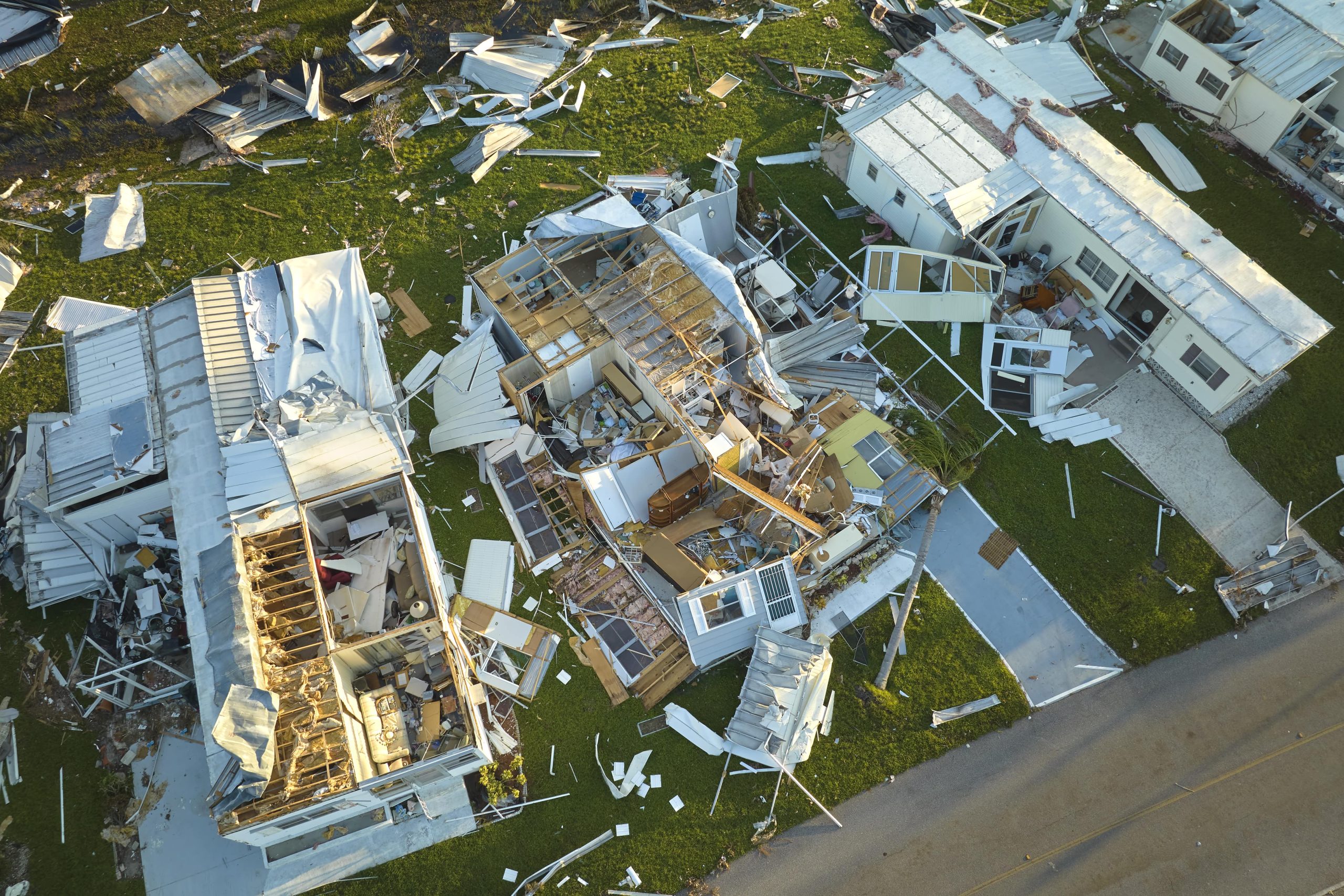
The math of human shelter is failing
The numbers are staggering. 2.8 billion people. That is more than one third of the global population. They live in conditions that defy the basic definition of adequacy. This is not a localized failure of policy. It is a systemic collapse of the global housing market. Capital has decoupled from utility. Investors treat square footage as a hedge against inflation. Meanwhile, the workforce is priced out of the very cities they build. The current crisis is the result of a decade of cheap money followed by a sudden, violent tightening of credit. The fallout is visible in every metropolitan center from Lagos to London.
The financialization of a human right
Shelter has become a high-yield asset class. Institutional capital has flooded the residential sector. Real Estate Investment Trusts (REITs) now dominate markets that were once the province of individual homeowners. This shift has fundamentally altered the supply-demand equation. According to recent market data on REIT performance, yields remain the primary driver for development. Developers do not build for the 2.8 billion. They build for the top 10 percent. The result is a glut of luxury units and a vacuum in the affordable segment. This is the ‘missing middle.’ It is a structural void that no amount of private equity will fill without massive state intervention.
The technical mechanism is simple but devastating. Cap rates have compressed. Construction costs have surged due to labor shortages and green energy mandates. To maintain margins, developers must target higher price points. This creates a feedback loop. As prices rise, the barrier to entry for first-time buyers becomes insurmountable. They are forced into a rental market that is equally predatory. The financialization of housing has turned a social necessity into a speculative bubble that refuses to pop. It simply hardens, locking out a generation.
Visualizing the Global Housing Gap
The following data represents the estimated distribution of the 2.8 billion people currently lacking adequate housing across major global regions. The concentration in emerging markets highlights the disconnect between rapid urbanization and infrastructure investment.
The World Urban Forum and the policy vacuum
Next week, leaders will gather for the World Urban Forum (WUF13). They will talk about sustainability. They will discuss ‘smart cities’ and digital twins. These are distractions. The core issue is land value capture and the cost of capital. Per reports from Reuters on global housing trends, the divergence between wage growth and property values has reached a forty year high. Policy makers at the World Urban Forum must address the reality that the market cannot solve a crisis it created. Rent controls are a localized bandage. The real solution requires a massive de-risking of affordable housing projects. This means state-backed guarantees and a direct challenge to the dominance of institutional landlords.
Regional Economic Indicators for May
The table below illustrates the widening gap between the cost of living and the ability to pay. In most major economies, interest rates have remained elevated to combat persistent inflation, further squeezing the mortgage market.
| Region | Median Home Price Growth (%) | Wage Growth (%) | Current Mortgage Rate (%) |
|---|---|---|---|
| United States | 7.2 | 3.1 | 6.85 |
| European Union | 4.8 | 2.9 | 4.20 |
| China | -2.1 | 1.5 | 3.45 |
| United Kingdom | 3.5 | 4.0 | 5.10 |
The infrastructure of exclusion
Urbanization is an unstoppable force. By mid-century, seven out of ten people will live in cities. But if those cities are built on a foundation of debt and exclusion, they will not be engines of growth. They will be centers of unrest. The 2.8 billion people lacking housing are not just a humanitarian concern. They represent a massive underutilization of human capital. When a worker spends 60 percent of their income on a substandard room, they cannot participate in the broader economy. This is a drag on global GDP that few economists are willing to quantify. The technical term for this is ‘urban stifling.’ It is the process by which high housing costs kill the productivity of the city.
Supply chain disruptions have eased, yet the cost of building materials remains high. Concrete and steel prices have stabilized at a plateau far above pre-pandemic levels. This ‘new normal’ means that the cost floor for new construction has been raised permanently. Without a breakthrough in modular construction or a radical shift in zoning laws, the supply gap will only widen. The market is waiting for a signal that never comes. It is waiting for rates to drop. But lower rates will only fuel another round of asset price inflation. It is a trap with no obvious exit.
The focus must shift from ‘housing as an investment’ to ‘housing as infrastructure.’ Roads and bridges are not expected to generate a 15 percent internal rate of return for private equity firms. Why should basic shelter? The current model is unsustainable. It relies on a level of debt that the global economy can no longer support. The upcoming discussions at WUF13 will be a litmus test for whether global leaders are ready to confront the power of the financial sector. If they fail, the 2.8 billion figure will continue to climb. The stability of the global urban order depends on a radical revaluation of what a home is actually worth. Watch the June 12th interest rate decision from the European Central Bank. Any signal of a prolonged hold will likely trigger a new wave of defaults in the commercial real estate sector, potentially spilling over into residential markets.