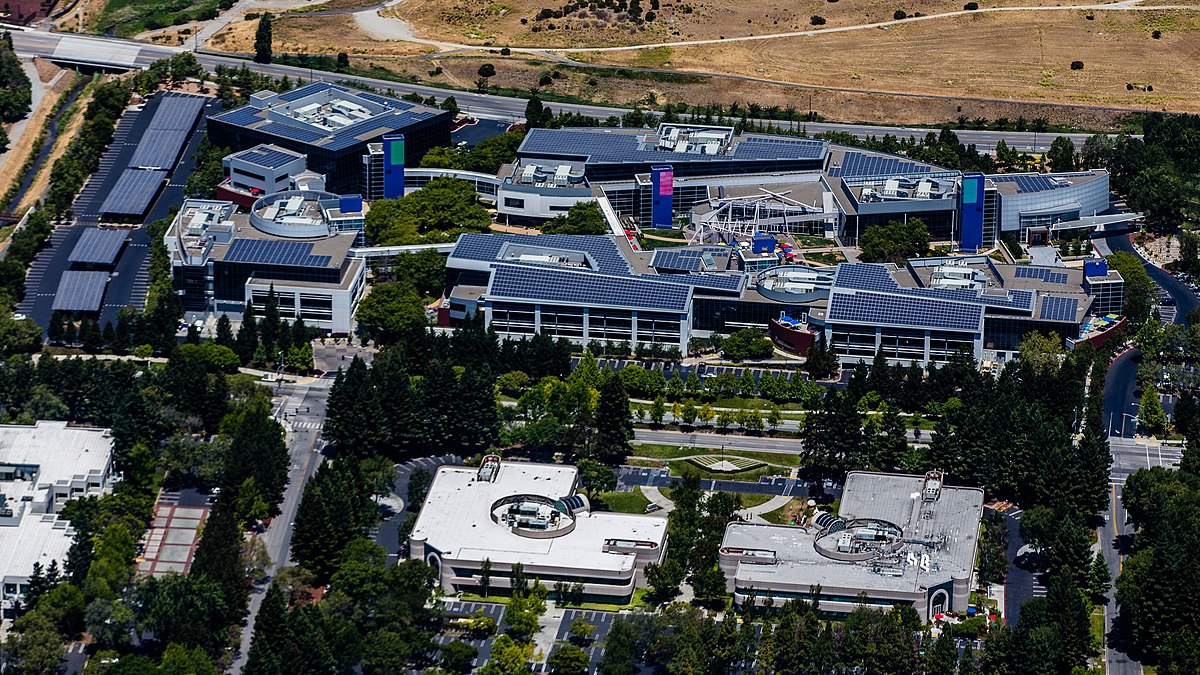
Alphabet is done playing it safe. The $15 billion commitment to Visakhapatnam represents a fundamental shift in how Western capital views the subcontinent. This is not a standard outsourcing play. It is a full scale colonization of the Indian AI infrastructure stack. The project, dubbed AI Patnam, centers on a 1 GW hyperscale data center. This capacity is staggering. To put it in perspective, 1 GW can power nearly 750,000 households simultaneously. Google is not just building a server farm. It is building a sovereign energy sink that will dictate the industrial policy of Andhra Pradesh for decades.
The energy math of AI Patnam
Power is the new oil. In the race for generative AI supremacy, the bottleneck is no longer just silicon. It is the ability to cool that silicon and keep it powered. Per reports from Bloomberg, the global demand for data center power is expected to double by 2030. Google’s move to secure a 1 GW site in India is a preemptive strike against capacity crunches in North America and Europe. The Visakhapatnam site will likely utilize a mix of liquid cooling and dedicated renewable energy grids. This is a technical necessity. Traditional air cooling cannot handle the thermal load of the next generation Blackwell and Rubin GPU clusters that Google intends to deploy.
Hyperscale AI Power Capacity in India by Major Player
Projected Hyperscale Capacity by 2030 (GW)
The drone and server manufacturing pivot
Hardware is coming home. Google is moving beyond software services to local manufacturing of AI servers and drone technology. This is a direct response to the supply chain volatility seen in the Taiwan Strait. By manufacturing in India, Google bypasses the rising tariffs and geopolitical friction associated with Chinese assembly lines. The drone component is particularly curious. These are not consumer toys. These are likely high endurance autonomous systems designed for logistics and perhaps industrial inspection within the massive data center complexes themselves. According to Reuters, India’s push for local electronics manufacturing has created a fertile environment for these capital intensive projects.
Comparing Global AI Infrastructure Hubs
| Location | Projected Power (GW) | Primary Function | Investment (USD) |
|---|---|---|---|
| Visakhapatnam (India) | 1.0 | AI Training/Inference | $15 Billion |
| The Dalles (Oregon, USA) | 0.6 | Search/Cloud | $2.1 Billion |
| Dublin (Ireland) | 0.4 | Edge Computing | $1.8 Billion |
| Council Bluffs (Iowa, USA) | 0.9 | Model Training | $5.0 Billion |
The sovereign AI play
Data residency is the silent killer of global tech. Governments are increasingly demanding that the data of their citizens remain within national borders. By building AI Patnam, Google is effectively building a walled garden for the Indian market. This allows them to train models on local datasets without violating the stringent data protection laws currently being debated in the Indian Parliament. It is a defensive moat. If you own the power, the hardware, and the data residency, you own the market. The GOOGL ticker reflected this strategic clarity on May 8, showing resilience despite broader market volatility.
The Visakhapatnam project is the first of many. As the 1 GW facility breaks ground, the market will be watching the state’s ability to provide consistent high voltage power. The next major milestone will be the announcement of the specific utility partners for the site’s renewable energy requirements in late Q3.