The roar at Anfield is deafening. The silence in the boardroom is telling.
ThinkMarkets renewed its grip on the Liverpool FC partnership through a period of extreme market turbulence. This was never about football. It was about the commoditization of the retail trader. In 2021, the deal was a gamble on post-pandemic liquidity. By May 2026, it has become a case study in high-stakes customer acquisition. Retail brokerages are currently fighting for a shrinking pool of disposable income as the Bank of England maintains rates at 4.75 percent. The cost to acquire a funded trading account has skyrocketed. Global brands now leverage sports prestige to bypass the skepticism of a more financially literate public.
The mechanics of the multi-asset grab
ThinkMarkets operates in a crowded field of CFD providers and spread betting firms. Their strategy relies on the Lifetime Value (LTV) of a trader exceeding the Customer Acquisition Cost (CAC). According to recent market data from Reuters, the average CAC for premium retail brokers has climbed 22 percent since the start of 2025. By plastering their logo across one of the world’s most successful football clubs, ThinkMarkets achieves a ‘trust halo’ that digital ads cannot replicate. This is a psychological play. If a storied institution like Liverpool FC trusts a broker, the novice trader assumes their capital is safe. The reality is more technical. The broker provides the plumbing, while the club provides the volume.
Volatility as a product
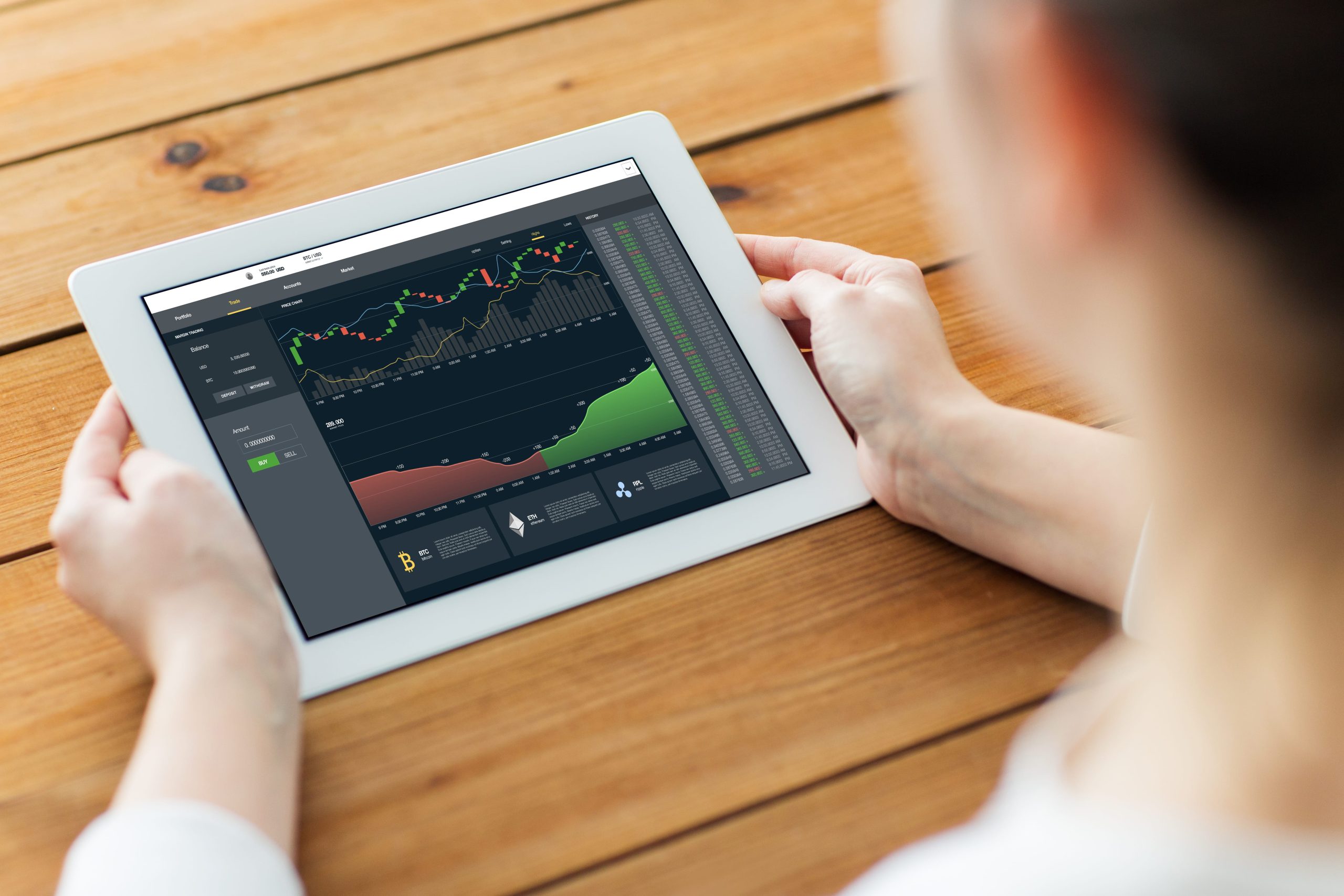
Market volatility is the lifeblood of the brokerage industry. Without price movement, there is no spread to capture. The recent fluctuations in the FTSE 100, which touched 8,420 earlier this week, have provided a fertile ground for high-frequency retail activity. ThinkMarkets has transitioned its platform to include AI-driven ‘copilot’ tools, designed to keep users engaged during low-volatility periods. This technical evolution mirrors the broader industry shift toward ‘gamified’ retention. The partnership with Liverpool FC serves as the top-of-funnel entry point for this ecosystem. Once a user is onboarded, the focus shifts to trade frequency and margin utilization.
Comparative Retail Brokerage Performance 2021 to 2026
The following table illustrates the estimated growth in active user bases for major Premier League trading partners over the last five years. These figures reflect the aggressive expansion into emerging markets where the Premier League’s reach is absolute.
| Broker Partner | Club | Est. User Growth (2021-2026) | Primary Market Focus |
|---|---|---|---|
| ThinkMarkets | Liverpool FC | 142% | MENA and SE Asia |
| eToro | Multiple | 89% | Europe and UK |
| OKX | Manchester City | 210% | Global Crypto/Spot |
Visualizing the Retail Trading Volatility Index
The chart below tracks the Retail Trading Volatility Index (RTVI) as of May 7, 2026. This index measures the intensity of retail participation relative to institutional volume. High peaks correlate with major sporting events and partnership activations.
The regulatory shadow
The Financial Conduct Authority (FCA) has been tightening the noose on sports-related financial promotions. Per recent Bloomberg reports, new guidelines issued in April 2026 require brokers to display risk warnings that occupy at least 20 percent of any physical stadium branding. ThinkMarkets has navigated this by pivoting their Liverpool partnership toward ‘educational’ content. They are no longer just selling a platform. They are selling ‘performance’ and ‘precision’. This linguistic shift is a calculated move to satisfy regulators while maintaining the aspirational allure of the Liverpool brand. The technical infrastructure of their mobile app now includes mandatory ‘friction points’ to prevent impulsive over-leveraging, a direct response to the 2025 Retail Trading Safety Act.
Institutionalization of the retail flow
We are seeing the death of the ‘amateur’ trader. The tools available to ThinkMarkets users in 2026 were reserved for institutional desks a decade ago. Real-time sentiment analysis and automated risk-parity modules are now standard. This level of sophistication is necessary because the market has become more efficient. The edge for a retail trader is no longer speed, but access to niche liquidity pools. ThinkMarkets leverages its global footprint to provide this access, using the Liverpool partnership as the primary engine for geographical expansion. The club’s massive following in Southeast Asia and the Middle East aligns perfectly with the broker’s regulatory licensing map.
The next data point to watch is the June 15, 2026, quarterly release of the FCA Consumer Duty audit. This report will reveal exactly how much ‘value’ these high-profile sports partnerships are providing to the end-user, or if they are simply an expensive distraction from deteriorating trading conditions.