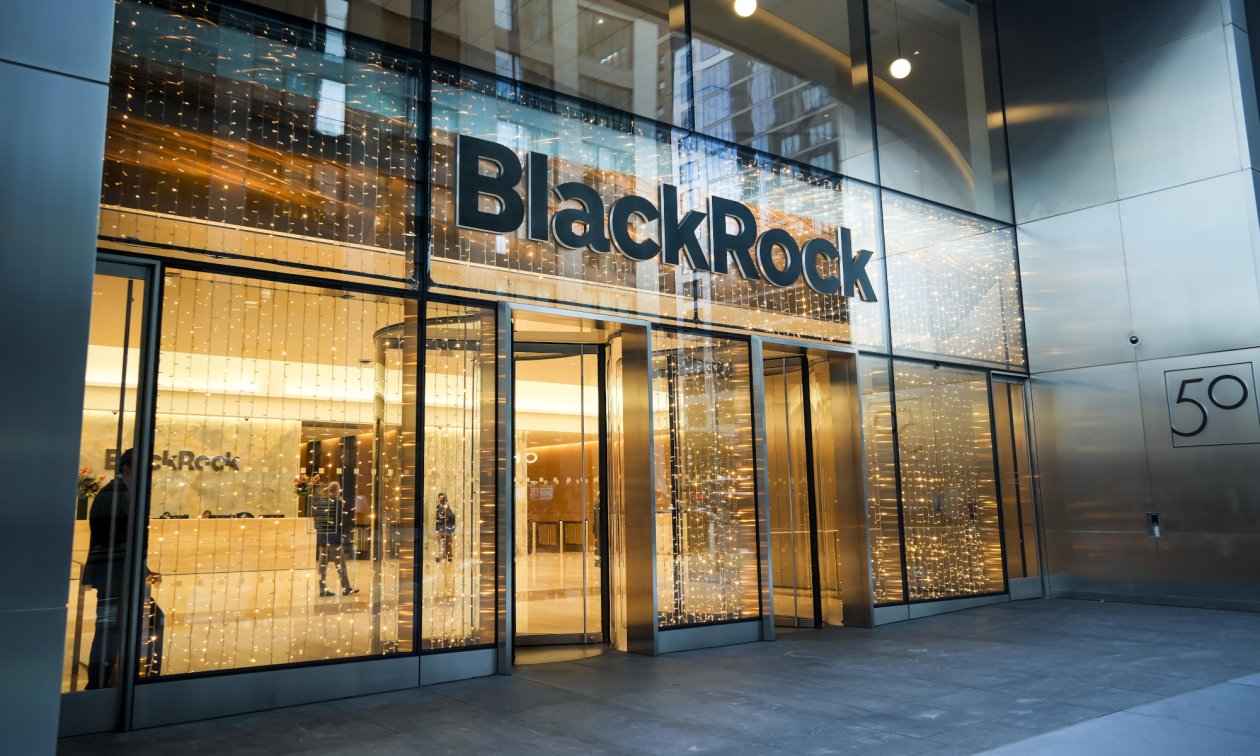
The yield chase has entered a new phase of systematic aggression
Yield is the new alpha. Investors are tired of waiting for price appreciation. They want cash now. BlackRock is answering this demand with the iShares Advantage Large Cap Income ETF, known by its ticker BALI. The strategy is not a simple buy-and-hold play. It is a complex machine designed to extract value from two distinct sources. First, it uses a quantitative model to select large-cap stocks. Second, it sells call options to generate immediate income. This is the volatility risk premium in action. It is a bet that markets will remain choppy rather than explosive.
The mechanics of the systematic advantage
BlackRock does not rely on human intuition for stock selection in this fund. They use the Advantage model. This is a systematic process that analyzes fundamental and alternative data to find mispriced equities. The goal is to outperform the S&P 500 on a risk-adjusted basis. However, the real engine of the 7.1 percent yield reported as of June 5, 2026, is the options overlay. The fund writes out-of-the-money call options on the underlying portfolio. By doing this, the fund collects premiums from buyers who are betting on a massive market rally. If that rally does not materialize, BALI keeps the premium. This creates a synthetic dividend that dwarfs the standard 1.3 percent yield of the broader market.
The math is cold. Systematic models do not care about narratives. They care about delta. When volatility spikes, option premiums rise. This allows BALI to generate higher levels of income during periods of market stress. According to data from Bloomberg, active ETFs like BALI have seen a 40 percent increase in inflows over the last twelve months as investors flee traditional fixed income. The 10-Year Treasury yield currently sits at 4.15 percent, making the 7 percent plus yield of BALI look like a necessary risk for those seeking real returns in an inflationary environment.
The hidden cost of the capped upside
There is no free lunch in finance. The price of high income is the loss of the tail-end rally. When the S&P 500 surges 3 percent in a single week, BALI will likely lag. The call options it sells act as a ceiling. Once the stock price hits the strike price of the option, the fund no longer participates in the gains. This is the fundamental trade-off. You are trading your right to a jackpot for a steady paycheck. In the current market, where Reuters reports that the Federal Reserve is holding rates steady at 4.5 percent, the appetite for steady paychecks has never been higher.
Comparison of yield profiles across the current landscape shows a clear divergence. Traditional equity income funds rely on dividends. Systematic funds like BALI rely on market participants’ desire to gamble on upside volatility. The following table illustrates how BALI stacks up against its primary competitors in the equity premium space as of the June 5 market open.
Comparative Yield and Expense Metrics
| Ticker | Strategy Type | Current 12-Month Yield | Expense Ratio |
|---|---|---|---|
| BALI | Systematic + Options | 7.1% | 0.18% |
| JEPI | Active + ELNs | 7.4% | 0.35% |
| SPY | Passive Large Cap | 1.3% | 0.09% |
| DIVO | Active Dividend + Options | 4.8% | 0.55% |
BlackRock has priced BALI aggressively. An expense ratio of 0.18 percent is a direct shot at JPMorgan’s JEPI, which charges nearly double at 0.35 percent. This price war in the active ETF space is a boon for retail investors but a margin squeeze for asset managers. The data suggests that scale is the only way to survive this race to the bottom. With trillions under management, BlackRock can afford to undercut the competition to capture the growing “income-seeking” demographic.
Visualizing the Yield Gap in June 2026
The following chart displays the yield disparity between traditional equity, sovereign debt, and the systematic income strategy employed by BALI. This visualization highlights why capital is rotating out of traditional 60/40 portfolios and into derivative-enhanced equity products.
Yield Comparison: BALI vs Benchmarks (June 5, 2026)
The risk of volatility collapse
What happens if the market stops moving? That is the nightmare scenario for BALI. If the VIX, often called the fear gauge, drops to historic lows, the income from selling options dries up. The fund would then rely solely on its quantitative stock-picking model and the meager dividends of large-cap tech. Currently, the VIX is hovering around 18.5, providing ample premium for the fund to harvest. But a period of prolonged market calm would force BlackRock to either lower the distribution or take more aggressive risks by selling options closer to the current price.
Investors must also consider the tax implications. The income generated by these strategies is often taxed as ordinary income rather than qualified dividends. For high-net-worth individuals, this can significantly erode the net return. Analysis on Yahoo Finance indicates that while the headline yield is attractive, the after-tax performance often trails a simple index fund over a five-year horizon. This is a tool for cash flow, not necessarily for long-term wealth compounding.
The quantitative model itself is a black box. While BlackRock claims an “advantage,” the specific factors used to select stocks are proprietary. We know they look at earnings quality and price momentum, but the exact weighting remains hidden. In a market where every major player is using similar machine learning algorithms, the edge provided by these models is constantly being competed away. The real advantage may not be the math, but the distribution power of the iShares brand.
The next major test for this strategy arrives on June 12, 2026. That is when the Bureau of Labor Statistics will release the May Consumer Price Index (CPI) report. If inflation shows a surprise re-acceleration, the resulting market volatility will likely spike option premiums, temporarily boosting BALI’s income potential while simultaneously hammering the valuation of its underlying equity holdings. Watch the 2.5 percent month-over-month core inflation figure. Anything higher will trigger a sell-off that tests the downside protection of the covered call strategy.