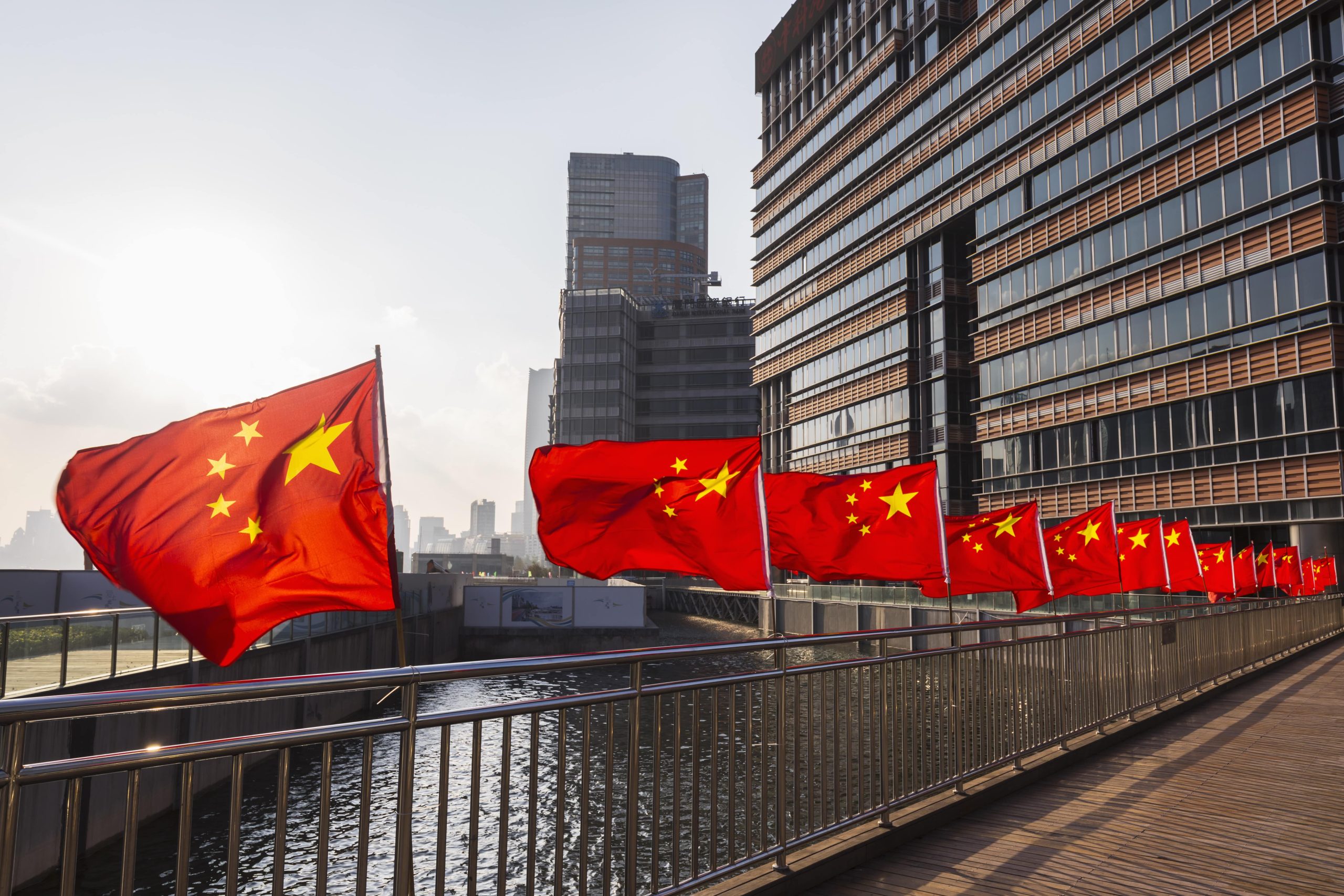
The ticker flashed red. Dajin Heavy Industry met a wall of indifference. The Friday debut of the wind power equipment giant on the Hong Kong Stock Exchange served as a cold reminder that size does not guarantee safety. Despite being the largest listing in the city for over six weeks, the stock struggled to find its footing. Investors are no longer buying the green energy narrative on faith alone.
Capital is a coward. It flees at the first sign of margin compression. Dajin Heavy Industry, a cornerstone of the global offshore wind supply chain, entered the market at a time when the cost of capital remains stubbornly high. The company specializes in the fabrication of massive wind tower foundations and offshore transition pieces. These are the steel skeletons of the renewable revolution. However, the steel itself is becoming a liability as global trade tensions and fluctuating raw material costs eat into the bottom line.
The Anatomy of a Lukewarm Debut
The listing was designed to provide a war chest for international expansion. Dajin has been aggressively targeting the European market, aiming to capitalize on the North Sea wind build-out. But the Hong Kong market is currently a graveyard for optimism. Institutional investors are scrutinizing every basis point of yield. According to recent data from Reuters, the volume of initial public offerings in the region has plummeted compared to the historical averages of the early 2020s. Dajin did not just face a sector-specific headwind. It faced a structural liquidity drought.
The pricing of the IPO was tight. Management bet on the scarcity value of a high-quality industrial play. That bet failed to account for the “China discount” that continues to plague mainland firms seeking offshore capital. While Dajin dominates its domestic niche, the transition to a global player involves navigating a complex web of environmental, social, and governance (ESG) standards that are increasingly used as protectionist barriers in Western markets.
Hong Kong IPO Proceeds Comparison: April to June 2026
Technical Realities of the Wind Supply Chain
Dajin is not a software company with zero marginal costs. It is a heavy industrial operator. Its facilities in Penglai are among the largest in the world, capable of handling the 15-megawatt turbines that are now becoming the industry standard. These turbines require foundations that weigh over 2,000 tons. The logistics of moving these components from Chinese yards to European waters are staggering. Freight rates have stabilized since the volatility of 2024, but they remain a significant drag on the export model.
The offshore wind sector is currently undergoing a painful recalibration. Developers like Orsted and Equinor have spent the last eighteen months renegotiating power purchase agreements that were signed when interest rates were near zero. As reported by Bloomberg, the entire value chain is being squeezed. If the developers cannot make the math work, the equipment makers like Dajin are the first to feel the pressure on their order books. The Hong Kong listing was supposed to signal a new chapter of growth, but it instead highlighted the fragility of the current market cycle.
The Geopolitical Premium
Mainland industrial firms are caught in a pincer movement. On one side, they have the world’s most efficient manufacturing base. On the other, they face a growing wall of tariffs and local-content requirements. The European Union has been investigating the subsidies provided to Chinese wind turbine manufacturers, a move that indirectly affects component suppliers like Dajin. Investors in Hong Kong are pricing in this risk. They are demanding a higher risk premium to hold shares in companies that could be locked out of key markets by a single regulatory stroke.
The performance of the stock on its first day reflects a lack of conviction. It is not that the company is failing. It is that the market is exhausted. The “biggest listing in six weeks” title is a hollow victory when the baseline for comparison is a period of near-total dormancy. For the Hong Kong exchange to regain its status as a premier global hub, it needs more than just large listings. It needs listings that can hold their value in the face of macro uncertainty.
Watch the upcoming quarterly earnings from Vestas and Siemens Energy. Their guidance for 2027 installations will dictate whether Dajin’s capacity expansion in Penglai becomes a gold mine or a stranded asset. The next critical data point arrives on July 15, when the National Bureau of Statistics releases the industrial output figures for the second quarter.