Betting on the Raid
The target was high value. The bet was higher. Master Sergeant Gannon Ken Van Dyke did not just lead a raid. He shorted a regime. Federal prosecutors revealed Thursday that Van Dyke, a member of the US Army Special Forces, allegedly leveraged top-secret intelligence to place a series of high-stakes bets on the capture of former Venezuelan President Nicolás Maduro. The Department of Justice is now grappling with a new frontier of white-collar crime: the weaponization of classified operational data in the prediction markets.
Intelligence is the ultimate commodity. In the 48 hours leading up to the raid, volatility in the Venezuelan debt markets and global crude futures signaled that something was coming. While institutional desks at Bloomberg were tracking satellite imagery of naval movements, Van Dyke was allegedly using his phone. He did not trade stocks. He traded outcomes. This is the dark side of event-based derivatives. When the outcome is a matter of national security, the line between a lucky guess and wire fraud disappears.
The Mechanics of the Information Arbitrage
Van Dyke allegedly utilized offshore prediction platforms to circumvent domestic oversight. These platforms allow users to buy and sell shares in the probability of specific events. The contract was simple: "Will Nicolás Maduro be in US custody by May 1?" As the Special Forces team moved into position, the "Yes" shares were trading at pennies. Van Dyke knew the probability was not a percentage. It was a certainty. By purchasing thousands of these contracts, he effectively created a guaranteed payout triggered by his own tactical success.
This is not traditional insider trading. Under the Securities Exchange Act, insider trading typically involves material non-public information regarding a specific corporation. The DOJ is instead pursuing charges of wire fraud and theft of government property. The "property" in this case is the secrecy of the mission itself. The technical mechanism of the fraud relies on information asymmetry. Van Dyke held the ultimate "oracle" in a decentralized betting environment. He was the actor and the observer, a dual role that breaks the fundamental logic of market risk.
Market Reaction to the Caracas Vacuum
The immediate fallout was not limited to a soldier’s arrest. The Venezuelan Bolivar, already a ghost currency, saw a brief and violent spike in black-market value before collapsing as uncertainty took hold. Oil markets reacted with characteristic volatility. WTI Crude futures jumped 4.2 percent as traders weighed the potential for a total shutdown of PDVSA facilities versus the long-term prospect of US sanctions being lifted. The table below outlines the price action in the hours following the DOJ announcement.
| Asset Class | Price (Pre-Raid) | Price (Post-Announcement) | Percentage Change |
|---|---|---|---|
| WTI Crude Oil | $78.45 | $81.74 | +4.19% |
| Brent Crude | $82.10 | $85.30 | +3.90% |
| VZ 2027 Global Bonds | $0.09 | $0.14 | +55.56% |
| Prediction Market (Maduro Capture) | $0.12 | $0.98 | +716.67% |
The surge in Venezuelan bond prices reflects a desperate hope for restructuring. However, the legal cloud over the operation complicates the narrative. If the raid was compromised by internal betting, the legitimacy of the transition government could be challenged in international courts. Per reports from Reuters, energy majors are already pausing negotiations on joint ventures until the DOJ clarifies the extent of the security breach.
Visualizing the Information Leak
The following visualization tracks the probability of the capture event as priced by the markets versus the timing of Van Dyke’s alleged trades. The sharp divergence between public sentiment and the "insider" volume suggests that the market was being manipulated long before the first boots hit the ground in Caracas.
Event Contract Price Action vs. Insider Volume
The Ethics of the Grey Zone
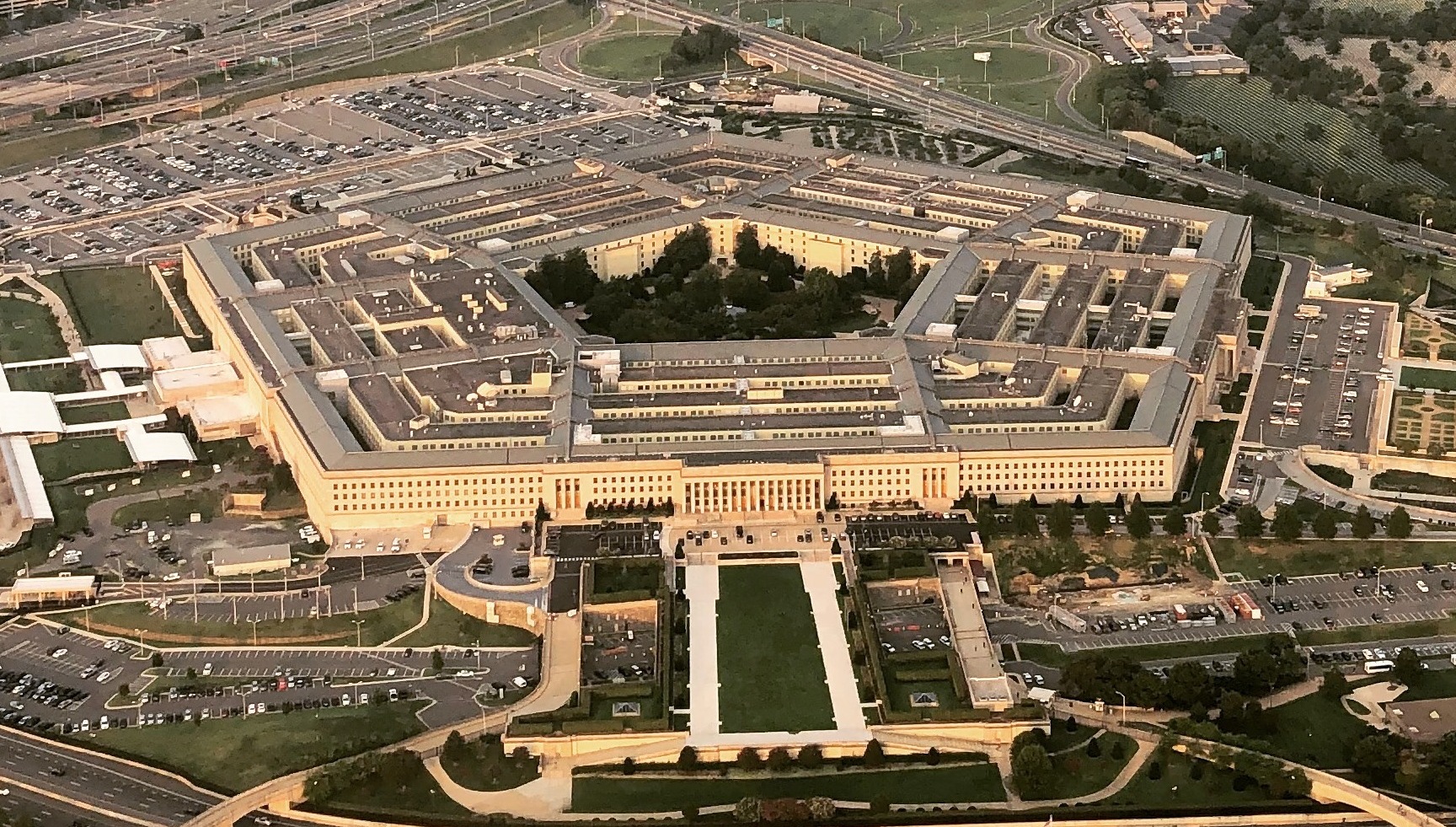
The Pentagon is facing a systemic crisis. If soldiers can profit from the movements of their own units, every mission becomes a potential market-moving event. This creates a perverse incentive structure. A soldier might delay an extraction to maximize a "time-decay" option or leak positioning to trigger a volatility spike. The DOJ’s complaint suggests Van Dyke was not alone in his interest, though he is the only one currently facing charges. The investigation is now expanding to look at "shadow pools" where military contractors may be hedging against mission failure.
Prediction markets like Kalshi or Polymarket have long argued that their platforms provide superior forecasting. They claim that "skin in the game" forces the truth to the surface. But when the skin in the game belongs to the person pulling the trigger, the forecast becomes a self-fulfilling prophecy. This is not market efficiency. This is a tactical breach. The Pentagon’s internal audit is expected to review the personal devices of the entire Special Operations Command (SOCOM) to determine if this rot is localized or endemic.
The next critical data point arrives on April 30. That is the deadline for the Venezuelan transitional council to announce its interim oil production targets. If the DOJ’s case reveals that the raid’s timing was influenced by market considerations, the resulting political instability will likely send Brent Crude toward the $95 mark. Watch the 2027 Bond yields. They are the truest barometer of whether the world believes Caracas is open for business or just a new playground for the Pentagon’s gamblers.