The Multilateral Capital Pivot
The multilateral model is broken. Capital flows to the Global South have stalled while debt service costs explode. Alexander De Croo steps into the CSIS spotlight to pitch a reimagined framework. This is not philanthropy. It is a structural overhaul of how the United Nations Development Programme (UNDP) interfaces with global capital markets. The objective is to bridge the chasm between existing liquidity and the desperate requirements of developing nations.
The numbers do not add up. Current estimates suggest a four trillion dollar annual financing gap for sustainable development goals. Institutional investors sit on mountains of dry powder but refuse to touch frontier markets without massive guarantees. The CSIS Global Development Department event highlights a desperate search for a new era of development futures. This requires more than just traditional aid. It demands a sophisticated blend of public de-risking and private equity participation that the current international financial architecture was never designed to handle.
The De-Risking Mirage
Wall Street wants protection. They demand a floor on losses and a ceiling on risk. The reimagined model De Croo proposes likely hinges on the concept of blended finance. This mechanism uses taxpayer money from the Global North to act as a first-loss cushion for private creditors. While presented as a win-win, it often shifts the burden of failure onto the public sector while privatizing the interest income. It is a tactical retreat from direct state-led development toward a market-centric approach that favors liquidity over long-term social stability.
Sovereign debt levels are the primary obstacle. High interest rates in the West have sucked capital out of emerging economies, leaving them unable to refinance maturing bonds. The UNDP is attempting to position itself as a mediator between these distressed states and the rigid mandates of the IMF. By focusing on development futures, the organization seeks to move beyond mere crisis management. They are looking for ways to monetize climate resilience and digital infrastructure to create new asset classes that can satisfy institutional mandates.
Geopolitical Leverage at CSIS
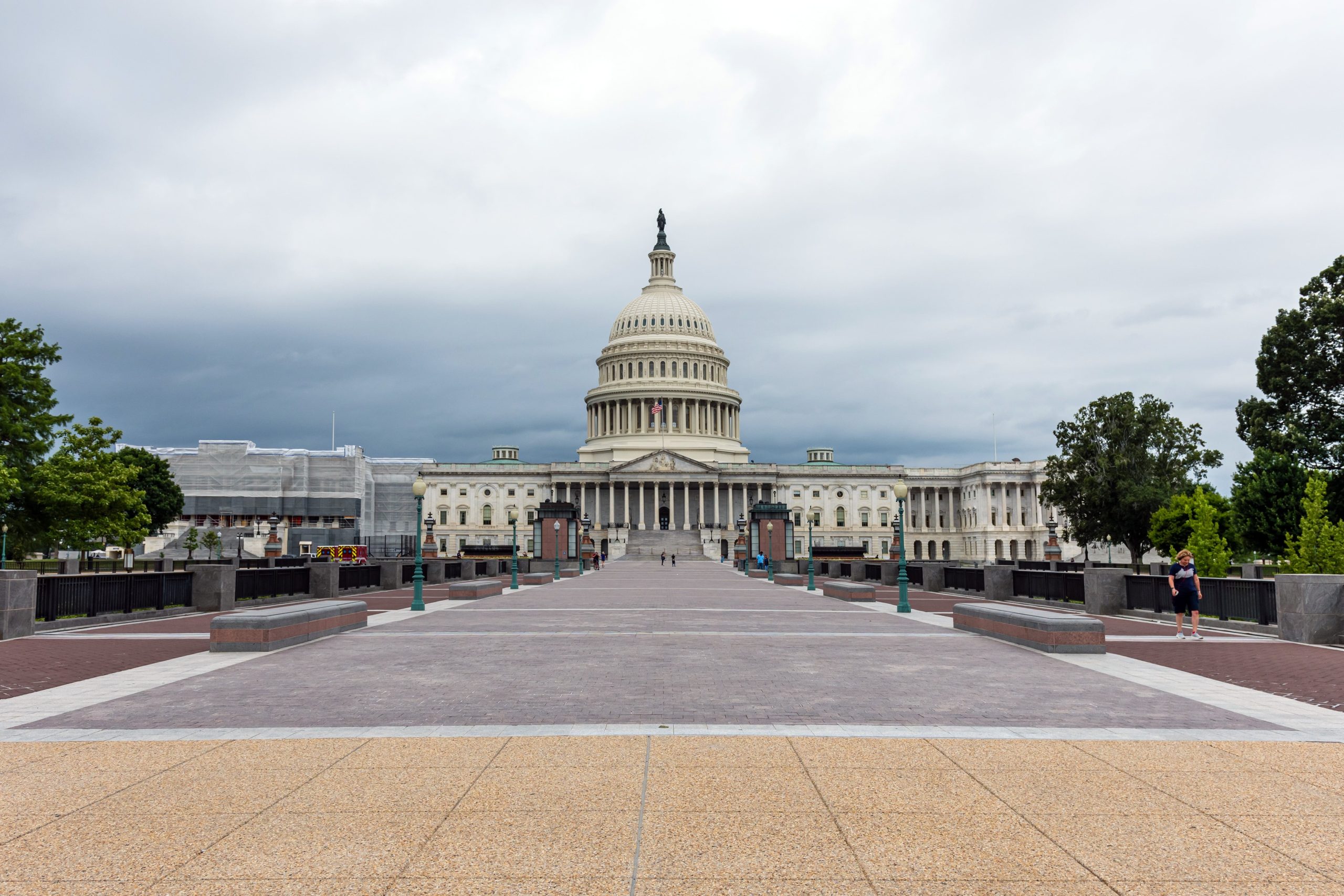
Location matters. Holding this summit at the Center for Strategic and International Studies (CSIS) signals that development is now a core component of Western security doctrine. This is about soft power competition. The United States and its allies are using the UNDP to counter the influence of bilateral lending from rival blocs. Reimagining development cooperation is a euphemism for creating a more attractive alternative to the opaque debt contracts often associated with non-Paris Club creditors.
The scale of need on the ground is an existential threat to the status quo. Failed states export instability, migration, and carbon. The financial architecture must evolve or face irrelevance as developing nations seek alternative liquidity outside the dollar-dominated system. De Croo’s appearance suggests a pivot toward a more pragmatic, data-driven approach to development. This involves utilizing Special Drawing Rights (SDRs) and multi-partner trust funds to bypass the slow-moving bureaucracy of traditional multilateral banks.
The Technical Deficit
A reimagined model requires new plumbing. The current system relies on outdated credit rating methodologies that penalize African and Southeast Asian nations regardless of their fiscal discipline. These ratings drive up the cost of capital, making it impossible to fund the very projects that would improve the credit score. The UNDP summit aims to address this feedback loop. They are exploring shadow banking mechanisms and insurance-linked securities to provide a more nuanced risk assessment of development projects.
Efficiency is the new mandate. Every dollar of public capital must catalyze five dollars of private investment. This ratio is the benchmark for the new era. If the UNDP cannot prove that it can mobilize private markets, its influence in the halls of power will continue to wane. The focus on development futures is a play for relevance in a world where the old guard of aid is viewed with increasing skepticism by both the donors in the North and the recipients in the South.
Resource mobilization is not a math problem. It is a political choice. The gap between available assets and local needs is a direct result of capital flight and the lack of a global bankruptcy framework for nations. Alexander De Croo is tasked with selling a vision where the UNDP acts as a sophisticated financial engineer rather than a simple distributor of grants. The success of this summit will be measured not in rhetoric, but in the yield spreads of the next generation of development bonds.