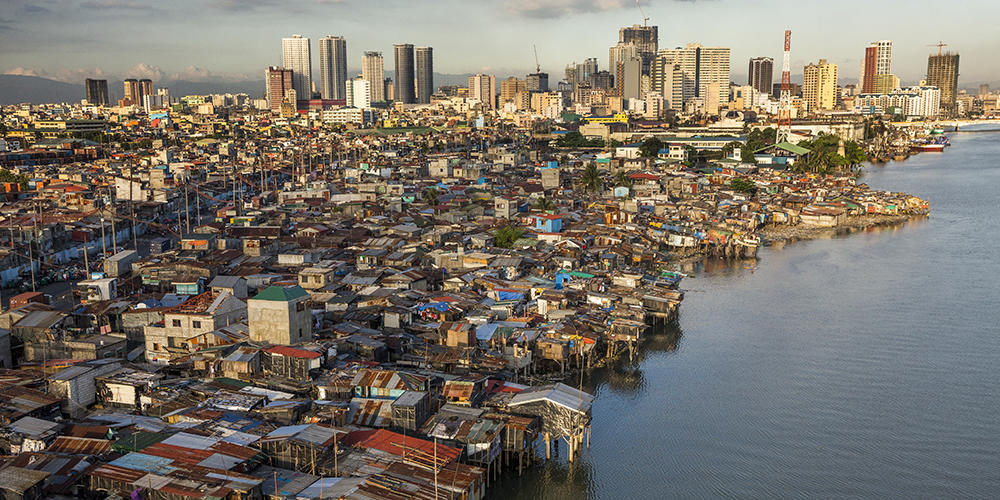
Capital is cowardly. It flees noise. In Somalia, the noise is changing frequency.
The debt is gone. The youth remain. Mogadishu is no longer just a headline of conflict. Today, the UNDP showcased seven young Somali changemakers at the ECOSOC Youth Forum. They represent a demographic dividend that the West continues to misprice. Somalia has reached the completion point of the Heavily Indebted Poor Countries (HIPC) initiative. This cleared billions in arrears. It opened the doors to the International Development Association (IDA). Now, the focus shifts from humanitarian survival to venture-led growth. The narrative of resilience is being replaced by the reality of ROI.
The Demographic Dividend as a Venture Asset
Somalia has one of the youngest populations on earth. Over 70 percent of the population is under the age of 30. This is a volatility risk. It is also a massive labor arbitrage opportunity. The World Bank estimates that digital infrastructure is the primary lever for this cohort. These youth are not looking for aid. They are looking for bandwidth. They are building fintech solutions to bridge the gap between the informal hawala systems and the global banking network. The ECOSOC Youth Forum is the staging ground for this transition. Multilateral institutions are finally treating Somali startups as legitimate entities rather than charity cases.
Mobile Money and the Death of the Physical Shilling
Cash is a relic in Mogadishu. The economy is one of the most digitized on the continent. Mobile money penetration exceeds 70 percent in many urban hubs. Hormuud Telecom and Somtel have created a duopoly that functions as the de facto central bank. While the Central Bank of Somalia attempts to reintroduce a physical currency, the youth have already moved on. They trade in digital dollars. They build apps on top of USSD protocols. This is leapfrogging in its purest form. The technical mechanism is simple. By bypassing legacy brick and mortar banking, Somali entrepreneurs avoid the overhead that cripples small businesses in Nairobi or Addis Ababa.
East African Real GDP Growth Forecasts April 2026
Regulatory Arbitrage and the AML Challenge
Risk remains high. Anti-Money Laundering (AML) and Counter-Terrorism Financing (CTF) compliance is the bottleneck. Western banks are still hesitant to establish direct correspondent relationships. This is where the “innovative solutions” mentioned by the UNDP come into play. Young Somali developers are utilizing blockchain ledgers to provide the transparency that traditional ledgers lack. They are not waiting for the government to catch up. They are creating their own trust protocols. This is the “different Somalia” the ECOSOC delegates are seeing. It is a Somalia that uses decentralized finance to bypass centralized failures.
The Resilience Narrative Meets Realpolitik
Resilience is a tired word. It implies a passive endurance of hardship. What we are seeing in April 2026 is active disruption. The seven changemakers highlighted today are working in sectors ranging from renewable energy to agritech. They are solving the energy deficit with off-grid solar solutions that ignore the failing national grid. They are using drone technology to map arable land in the Jubba Valley. This is not just “hope.” This is a calculated bet on a frontier market that is finally decoupling from its past. Investors who ignore the Horn of Africa are looking at the rearview mirror while the road ahead is being paved by a generation with everything to gain and nothing to lose.
The next data point to watch is the June 2026 IMF review of the post-HIPC Extended Credit Facility. This will determine if the current growth trajectory is sustainable or if the old ghosts of fiscal mismanagement will return to haunt the new Mogadishu.