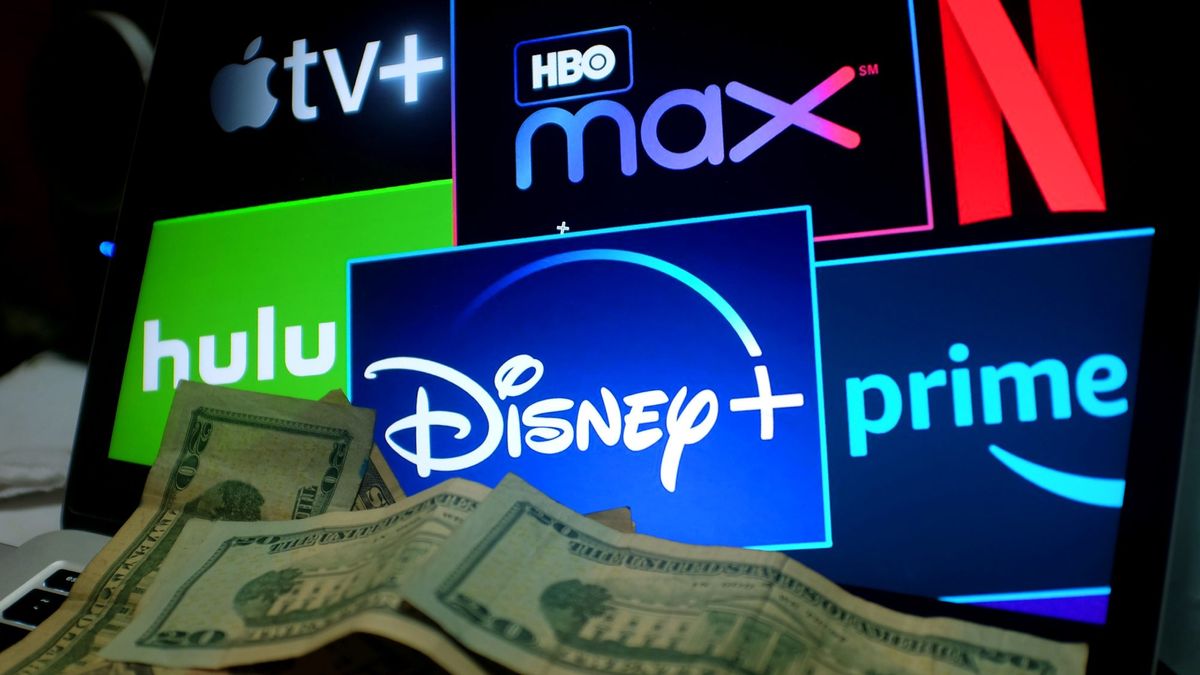
The subscription era died in silence. We traded triple-digit cable bills for a dozen digital leeches. Now the math has broken. Consumers are hitting a hard ceiling on monthly recurring revenue. The fatigue is not just anecdotal. It is structural. While Netflix and Disney fight for the remaining slivers of the premium pie, a shadow economy has emerged. This is the Great Streaming Reversion.
The Death of the Premium Island
Wall Street spent five years worshipping at the altar of Subscriber Growth. That metric is now a relic. The new reality is Churn Management. Investors are finally looking at the unit economics of the average household. In May 2026, the average American family pays for 5.4 streaming services. The total cost often exceeds the legacy cable bundles they once fled. This friction has created a vacuum. According to recent market analysis from Bloomberg, the pivot toward ad-supported tiers is no longer an option. It is a survival mechanism.
The secret winner is not a content creator. It is the aggregator. Platforms like Roku, Amazon Fire TV, and Samsung TV Plus have effectively seized the means of distribution. They do not need to spend $200 million on a single season of a sci-fi epic. They simply tax those who do. These gatekeepers are the new cable companies. They control the interface. They control the data. Most importantly, they control the Free Ad-Supported Streaming TV (FAST) ecosystem.
The Technical Mechanics of FAST Dominance
FAST channels are not just ‘linear TV on the internet.’ They are data-harvesting machines. The technical backbone relies on Server-Side Ad Insertion (SSAI). Unlike traditional broadcast, where every viewer sees the same soap commercial, SSAI allows for hyper-targeted programmatic bidding in real-time. When you watch a 24/7 ‘Star Trek’ channel on Tubi, the ad you see is auctioned off in milliseconds based on your recent browsing history. This efficiency has driven CPMs (Cost Per Mille) higher than traditional cable could ever dream.
The cost to the consumer is zero. The cost to the advertiser is high. The profit for the platform is pure margin. This is why the ‘secret winner’ is the hardware layer. They own the ‘Channel 0’ experience. By the time a user clicks into the Netflix app, the hardware provider has already collected data on what they scrolled past. This telemetry is the most valuable asset in the 2026 media landscape.
Streaming Cost Evolution 2024 to 2026
The following data illustrates the aggressive price hikes in the premium SVOD (Subscription Video On Demand) sector compared to the stability of the FAST sector. The ‘Bundle’ has returned, but it is more expensive than ever.
| Service Category | Avg. Monthly Cost (2024) | Avg. Monthly Cost (May 2026) | Year-over-Year Change |
|---|---|---|---|
| Premium No-Ad Tier | $15.99 | $22.99 | +43.7% |
| Standard Ad-Tier | $6.99 | $11.99 | +71.5% |
| FAST (Free Ad-Supported) | $0.00 | $0.00 | 0% |
| Sports-Centric Bundle | $45.00 | $64.99 | +44.4% |
Visualizing the Pivot to Ad-Supported Models
The chart below tracks the shift in consumer hours spent. Note the aggressive rise of FAST channels as premium subscription growth plateaus. This data reflects the Q1 2026 reporting cycle ending in May.
The Re-Bundling Trap
Do not mistake the rise of FAST for consumer altruism. It is a trap. The industry is moving toward ‘Hard Bundling.’ We are seeing partnerships between telecom giants and content houses that mirror the 1990s cable model. If you want the premium sports package, you are forced to take the ad-supported lifestyle tier. The ‘secret winner’ mentioned in recent Reuters industry reports is the entity that manages the billing relationship. In 2026, that is increasingly the internet service provider (ISP) or the smart TV manufacturer.
They are saving you money on the surface. A $0 price tag on a FAST channel feels like a win. But the hidden cost is the erosion of privacy and the saturation of the viewing experience with unskippable, targeted content. The technical term is ‘Inventory Bloat.’ As more users flee to free tiers, the platforms must increase the ad load to maintain ARPU (Average Revenue Per User). We are now seeing 12 minutes of ads per hour on services that promised to ‘save’ us from cable.
The leverage has shifted. Content creators like Disney and Warner Bros. Discovery are no longer the masters of their own destiny. They are becoming mere tenants in the digital malls owned by Amazon and Google. The ‘secret winner’ is the one who owns the remote, not the one who owns the movie studio. The math is cold. The trajectory is permanent.
Watch the Q2 2026 earnings for Roku. Their platform revenue growth relative to their hardware sales will be the definitive proof of this power shift. If the ad-bidding rates hold steady through the June ‘Upfronts’ season, the premium SVOD model as we knew it is officially a legacy product.