The Tape vs The Truth
The screen is green. The street is lying. Equities have spent the last 48 hours clawing back the losses triggered by the escalation in Tehran. To the casual observer, the crisis is over. To the institutional desk, the nightmare is just moving into the plumbing. Goldman Sachs senior advisor Dominic Wilson issued a stark warning on April 16, 2026. He noted that while equity markets have rebounded, the rates markets are showing lingering effects of the Iran conflict. This divergence is not a fluke. It is a warning. Equities are pricing in a return to normalcy. The bond market is pricing in a structural shift in global risk.
The Mechanics of the Rates Disconnect
Risk premiums do not evaporate overnight. When the first reports of kinetic activity in the Strait of Hormuz hit the wires on April 14, the 10-year Treasury yield spiked as investors sought the safety of the dollar. However, the subsequent ‘rebound’ in stocks has not been met with a corresponding normalization in yields. Per the latest Bloomberg Treasury data, the term premium remains stubbornly elevated. This suggests that fixed-income traders are not buying the ‘de-escalation’ narrative being peddled on retail trading platforms.
Inflation expectations are the primary culprit. A conflict in the Middle East is inherently inflationary. Even if the missiles stop flying, the insurance premiums on tankers do not drop immediately. The cost of shipping crude through contested waters has tripled in the last 72 hours. This ‘geopolitical tax’ filters through the Consumer Price Index with a lag. Bond markets are forward-looking. They see the 2026 inflation print rising while equity traders focus on quarterly earnings beats that were locked in before the first drone was launched.
Visualizing the Divergence
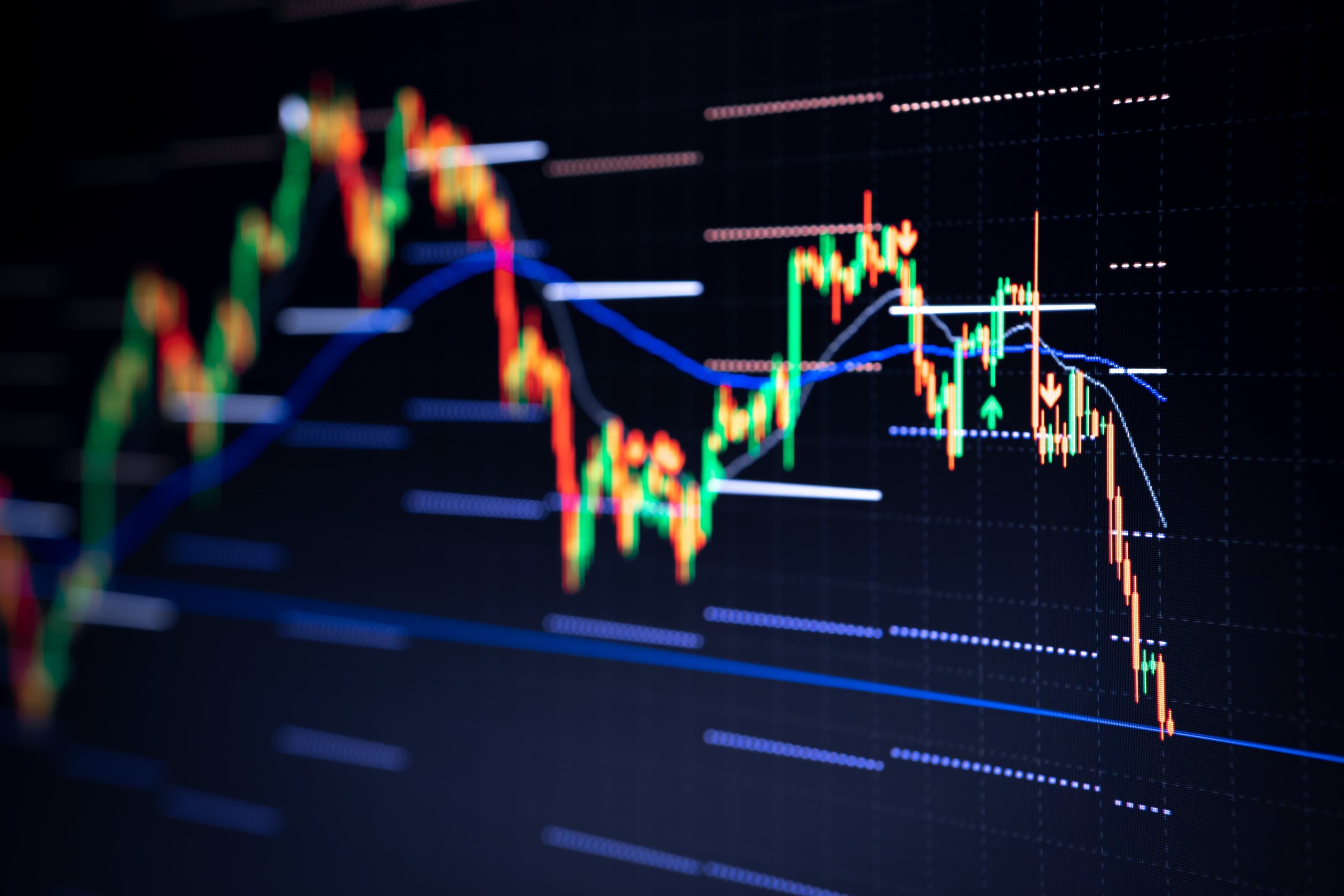
To understand the scale of this disconnect, we must look at the path of the 10-Year Treasury Yield relative to the S&P 500 recovery over the current week. The following data reflects the market closing prices as of April 17, 2026.
The Energy Factor
Crude oil is the connective tissue between the Iran conflict and the rates market. On April 15, Brent Crude touched $96 a barrel. While it has since retreated to the $91 range, the floor has moved. According to Reuters energy analysis, the strategic petroleum reserves are at decade lows. This leaves the global economy without a buffer. Dominic Wilson’s outlook emphasizes that the ‘lingering effects’ are not just about the price of a barrel. They are about the cost of credit. If oil stays above $90, the Federal Reserve cannot pivot. The ‘higher for longer’ mantra becomes ‘higher forever’.
| Asset Class | April 14 (Crisis Peak) | April 18 (Current) | Change (%) |
|---|---|---|---|
| S&P 500 Index | 5,520 | 5,820 | +5.43% |
| 10-Year Treasury Yield | 4.98% | 4.89% | -1.81% |
| Brent Crude Oil | $96.10 | $91.45 | -4.84% |
| Gold (Spot) | $2,480 | $2,410 | -2.82% |
The Technical Mechanism of the Squeeze
Why are equities rising if the macro backdrop is so fragile? Short covering. The initial drop on April 14 was exacerbated by systematic trend-following funds. As the conflict failed to escalate into a full-scale regional war within 24 hours, these funds were forced to buy back their positions. This created a ‘gamma squeeze’ that pushed indices higher regardless of the fundamental reality. This is a technical rally built on thin ice. The rates market, dominated by sovereign players and long-term pension funds, does not participate in these short-term gamma flips. They are looking at the fiscal deficit. They are looking at the $35 trillion debt pile. They are looking at the reality that the US government must now pay nearly 5% to borrow money in a world that is increasingly hostile to dollar hegemony.
The Dominic Wilson Thesis
Wilson’s market outlook on the Goldman Sachs ‘Exchanges’ podcast suggests that the equity-rate correlation has broken. Historically, lower yields are good for stocks. But today, yields are staying high because of ‘inflationary risk’ rather than ‘growth expectations’. This is the worst of all worlds for the long-term investor. It is stagflationary. When the rates market refuses to follow the equity market’s optimism, the rates market is usually right. The bond market is the ‘smart money’ for a reason. It is larger, more liquid, and less prone to the emotional whims of retail ‘buy the dip’ culture.
The next specific milestone to watch is the April 22 Treasury auction of 20-year bonds. If the bid-to-cover ratio falls below 2.3, it will confirm that international buyers are demanding a higher ‘geopolitical risk’ premium to hold US debt. This would likely force a violent correction in the S&P 500 as the reality of higher borrowing costs finally hits the corporate bottom line.