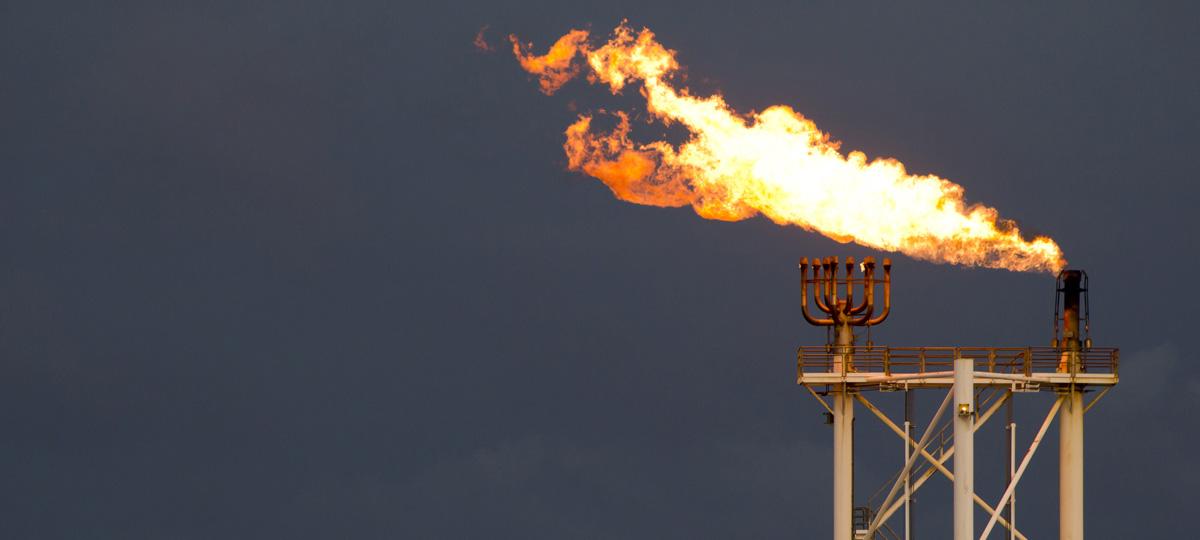
Capital Flees Noise
Gunfire is the loudest noise of all. In Mogadishu, the noise never stops. Capital is a coward that avoids conflict zones with surgical precision. This creates a lethal feedback loop. Climate change destroys infrastructure. Conflict prevents its repair. The result is a total market failure in the world’s most vulnerable geographies.
As of May 28, 2026, the gap between climate rhetoric and capital deployment has reached a breaking point. The United Nations Development Programme recently highlighted Somalia, Lebanon, and Yemen as focal points for adaptation. These nations represent the ‘fragility premium’ in its purest form. Investors demand impossible returns to offset the risk of regime change or infrastructure sabotage. Consequently, the cost of adaptation in these regions is 400% higher than in stable emerging markets.
The Arithmetic of Despair
Fragile states face a double-edged sword. They are geographically predisposed to extreme weather. They are politically predisposed to systemic collapse. In Lebanon, the currency remains in a state of managed atrophy. This makes importing green technology prohibitively expensive. In Yemen, the water table is receding faster than the peace process can advance. The technical mechanism of this failure is rooted in the lack of sovereign credit ratings. Without a rating, institutional investors cannot legally allocate funds. These nations are effectively ghosted by the global financial system.
Adaptation Funding Disparity in Conflict Zones (May 2026)
The chart above illustrates the chasm. The grey bars represent the estimated annual capital requirement for basic climate resilience. The dark green bars represent actual disbursements as of May 2026. The discrepancy is not just a humanitarian issue. It is a systemic risk to regional stability. When adaptation fails, migration accelerates. When migration accelerates, the cost of border security in neighboring states rises. This is a misallocation of global resources on a historic scale.
The Sovereign Debt Trap
Debt is the primary barrier. Most fragile states are already in default or undergoing restructuring. Per the latest IMF Resilience and Sustainability Trust data, the mechanism for ‘Debt-for-Climate’ swaps remains bogged down in legal bureaucracy. Creditors are unwilling to take haircuts on principal when the underlying asset is a solar farm in a war zone. They prefer the certainty of a default over the uncertainty of a green transition.
Technical defaults are the norm here. In Somalia, the transition to a formal banking sector is hampered by the lack of digital identity systems. Without identity, there is no credit history. Without credit history, there is no micro-finance for climate-resilient agriculture. The technical solution requires a leapfrog in infrastructure. We are talking about satellite-based blockchain ledgers to track land ownership and water rights. But who pays for the satellites when the ground is on fire?
The Lebanon Case Study
Lebanon is a masterclass in institutional decay. The power sector is a black hole. Solar adoption has spiked, but only for the elite. The decentralization of the grid is happening by necessity, not by design. This is ‘adaptation by collapse.’ The state has no role in it. This means there is no standardization. There is no safety regulation. There is only the survival of the wealthiest. This is the future of climate adaptation in failing states if the global financial markets do not pivot.
| Country | Climate Risk Index | Debt-to-GDP Ratio | Adaptation Funding Gap |
|---|---|---|---|
| Somalia | Very High | N/A (Distressed) | 92.8% |
| Lebanon | High | 280% | 88.3% |
| Yemen | Extreme | N/A (Conflict) | 97.1% |
The table reveals the grim reality. Debt-to-GDP ratios are irrelevant when the GDP itself is a moving target. The ‘Adaptation Funding Gap’ is the percentage of required resilience projects that remain unfunded. In Yemen, that figure is nearly absolute. The technical barrier here is ‘de-risking.’ Multilateral development banks (MDBs) are supposed to provide first-loss guarantees. They are failing. Their risk appetite is calibrated for 2015, not the volatile reality of 2026.
The Next Milestone
Watch the June 15 meeting of the G7 Finance Ministers. The agenda includes a specific proposal for a ‘Fragile State Guarantee Fund.’ This would theoretically bypass sovereign credit ratings to fund municipal-level climate projects. If this fails to gain traction, the fragility premium will become a permanent tax on the world’s poorest. The data point to monitor is the 10-year yield on ‘Green Bonds’ issued by the African Development Bank. If that yield spikes, it means the market has officially given up on the idea of a just transition for the most vulnerable.