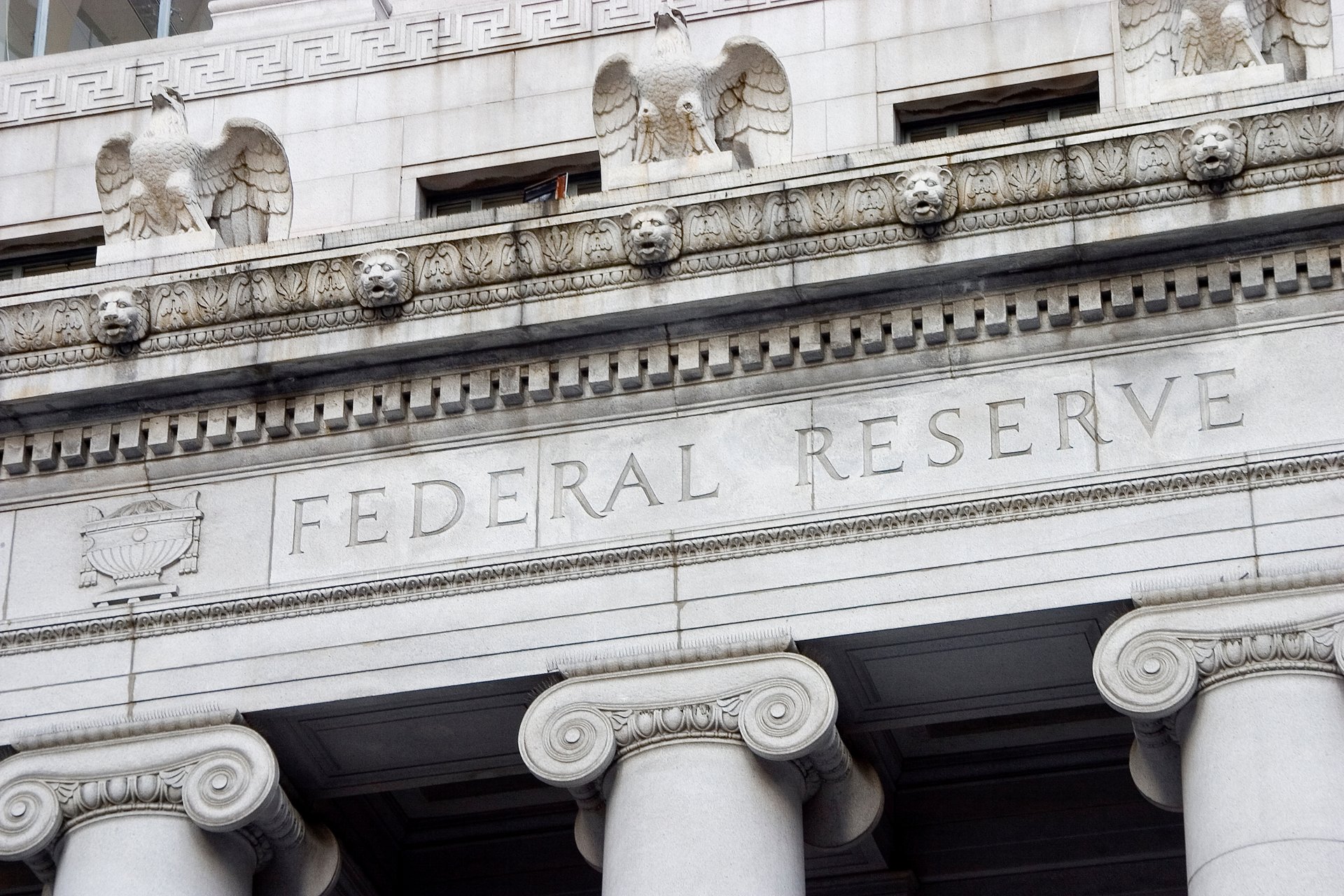
The Fed is holding the trigger.
The party is over. Central bankers are holding the keys to the exit. For the last quarter, equity markets have operated under the delusion that the Federal Reserve would pivot toward aggressive easing. That delusion is dying. The latest signals from the Eccles Building suggest that the inflation dragon is not dead; it is merely hibernating. Investors are staring at a brick wall of high interest rates that refuse to crumble.
The Mechanics of the Central Bank Spook
The equity market is a house of cards built on the assumption of a pivot that refuses to materialize. When the Federal Reserve hints at ‘spooking’ a portfolio, they are referring to the sudden repricing of risk. This happens through the discount rate. As the risk-free rate remains elevated, the present value of future corporate earnings collapses. This is particularly lethal for high-growth tech stocks that trade on multiples of earnings expected a decade from now. According to Bloomberg fixed income data, the yield curve remains stubbornly inverted, a classic signal that the market expects a recession while the Fed remains focused on price stability.
The technical mechanism at play is the Term Premium. This is the extra compensation investors demand for holding long-term debt instead of rolling over short-term bills. For years, this premium was negative or near zero. Now, it is surging. As the Fed continues its Quantitative Tightening (QT) program, it is stripping liquidity from the system. This forces private buyers to absorb the massive supply of Treasury issuance, driving yields higher and equity prices lower. The latest Reuters policy tracker indicates a 65% chance of the Fed holding rates steady through the summer, defying the ‘cut-by-June’ consensus that dominated January.
Visualizing the Interest Rate Plateau
The following chart illustrates the trajectory of the Federal Funds Rate over the past eighteen months. It shows a clear plateauing effect that has caught many retail investors off guard.
Federal Funds Rate Trajectory (Jan 2025 – May 2026)
The Sticky Inflation Problem
Wage growth is the current culprit. The May 8 jobs report showed an unexpected strength in hourly earnings, which rose 4.1% year-over-year. This is far above the level consistent with a 2% inflation target. When wages rise, service-sector inflation becomes ‘sticky.’ It does not matter if gasoline prices fall if the cost of labor continues to climb. This creates a feedback loop that the Fed is desperate to break. They are using the only tool they have: the blunt instrument of interest rates.
Portfolio managers are sweating through their bespoke suits as the terminal rate remains an elusive ghost. The ‘Shadow Rate,’ which accounts for the effects of balance sheet reduction, suggests that financial conditions are even tighter than the headline Fed Funds Rate implies. This tightening is finally hitting the real economy. We are seeing a spike in corporate defaults among mid-sized firms that cannot roll over their debt at these levels. The table below highlights the divergence between market expectations and the cold reality of the data.
Key Macroeconomic Indicators Q2 2026
| Indicator | February 2026 | March 2026 | April 2026 |
|---|---|---|---|
| CPI (YoY) | 3.2% | 3.1% | 3.1% |
| Unemployment Rate | 4.0% | 4.1% | 4.2% |
| Effective Fed Funds Rate | 4.83% | 4.83% | 4.83% |
| S&P 500 Monthly Change | +1.2% | -2.4% | -0.8% |
The Shadow of the Reverse Repo Facility
The plumbing of the financial system is clogged. The Fed’s Reverse Repo (RRP) facility, which once held over $2 trillion in excess liquidity, has dwindled to nearly nothing. This was the ‘buffer’ that protected the market from the effects of QT. Now that the buffer is gone, every dollar the Fed removes from the system directly impacts bank reserves. When reserves drop below a certain threshold, the repo market spikes. We saw this in 2019, and we are seeing the early warning signs again now. This is the ‘spook’ that Yahoo Finance and other outlets are beginning to broadcast. It is not just about the cost of borrowing; it is about the availability of cash.
Retail investors often focus on the ‘Pivot’ as a binary event. They assume that once the Fed stops hiking, the stock market will resume its upward march. This ignores the ‘Lag Effect.’ It takes 12 to 18 months for interest rate changes to fully permeate the economy. The hikes of 2025 are only now beginning to bite into consumer spending and corporate investment. We are entering the ‘Danger Zone’ where the economy slows down but inflation remains too high for the Fed to offer any rescue.
The next major hurdle is the May 14 CPI print. If that number comes in at 3.2% or higher, expect the Fed to move from ‘patient’ to ‘hawkish.’ This would likely trigger a massive liquidation in the bond market, sending the 10-year Treasury yield toward 5% and forcing a painful re-rating of the entire equity complex. Watch the 3.1% inflation threshold. Anything above it is a signal to de-risk.