The music is still playing. But the chairs are disappearing. Markets have spent the last forty-eight hours digesting a stark warning from the Goldman Sachs volatility desk regarding the sustainability of the current artificial intelligence rally. Shawn Tuteja, a senior trader at the firm, is now questioning the structural integrity of the custom baskets that have fueled the S&P 500 to record highs this month. The euphoria that defined the first quarter has met the cold reality of the May earnings cycle. Investors are no longer paying for potential. They are demanding proof of margin expansion.
The Volatility of Concentration
Breadth is failing. While the headline indices suggest a robust bull market, the underlying plumbing tells a different story of extreme fragility. According to recent Bloomberg market data, the top five contributors to the S&P 500 now account for nearly 38 percent of the total index weight. This level of concentration exceeds the peaks seen during the 2000 dot-com era. Tuteja’s focus on custom baskets and ETF volatility trading highlights a specific risk. When these baskets de-lever, the exit becomes a bottleneck. The liquidity required to exit these positions simply does not exist at current valuation levels.
The cost of hedging has spiked. Skew in the options market suggests that sophisticated institutional players are paying a massive premium for downside protection on AI-heavy indices. This is not the behavior of a confident market. It is the behavior of a market that is looking for the nearest exit. The technical setup is increasingly precarious. We are seeing a divergence between price action and relative strength. This often precedes a significant mean reversion event.
Visualizing the AI Concentration Gap
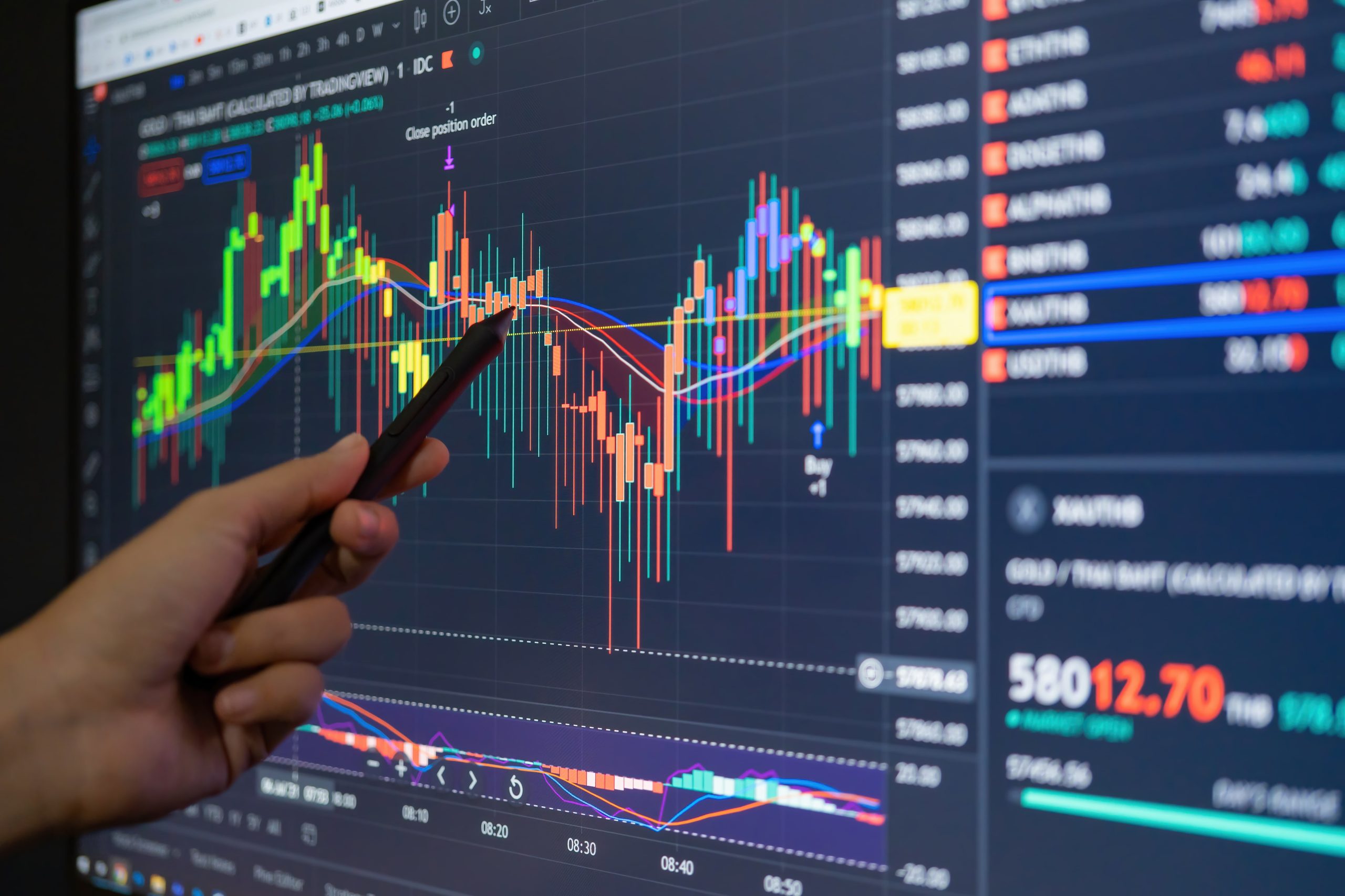
The following chart illustrates the divergence between the AI-specific custom baskets and the equal-weighted S&P 500 index as of May 20, 2026. The gap represents the “AI Premium” that is currently being tested by rising yields and slowing enterprise software adoption.
The Capex Conundrum
Capital expenditure is exploding. Hyperscalers are pouring billions into H100 and B200 Blackwell chips, yet the revenue translation remains speculative. As reported by Reuters on May 19, the average payback period for AI infrastructure has stretched from 18 months to nearly 36 months. This is a dangerous trajectory. If the enterprise ROI does not materialize by the end of the fiscal year, the current valuation multiples for semiconductor firms will be impossible to justify. The market is currently pricing in a 40 percent year-over-year growth rate for the next three years. This assumes zero cyclicality in a notoriously cyclical industry.
Efficiency is the new growth. We are moving from the training phase to the inference phase. Training requires massive compute power. Inference requires efficiency. This shift favors different architectural approaches and could leave current market leaders vulnerable to disruption from custom ASIC designs developed in-house by the cloud providers. The moat is not as deep as the bulls claim. Proprietary silicon is the ultimate margin killer for third-party chip designers.
Valuation Metrics of the AI Leadership
The table below outlines the current valuation metrics for the primary drivers of the 2026 rally. These figures represent the market close on May 19, 2026.
| Company | Forward P/E Ratio | Price to Sales (LTM) | Capex Growth (YoY) |
|---|---|---|---|
| NVIDIA Corp | 44.2x | 28.4x | +112% |
| Microsoft Corp | 36.8x | 14.1x | +45% |
| Alphabet Inc | 24.5x | 7.2x | +32% |
| Amazon.com | 41.1x | 3.8x | +28% |
| Meta Platforms | 29.4x | 9.5x | +54% |
The Regulatory Shadow
Washington is watching. The Department of Justice has intensified its scrutiny of AI licensing agreements and data moat acquisitions. A formal antitrust investigation into the compute-sharing agreements between major cloud providers and AI startups was hinted at in recent SEC filings. Regulatory friction is a non-linear risk. It does not appear in the earnings models until the fines are levied or the acquisitions are blocked. The market is ignoring the possibility that the current winners will be forced to break up their integrated stacks.
Interest rates remain a headwind. Despite expectations for a pivot, the Fed’s latest minutes suggest a “higher for longer” stance to combat persistent service-sector inflation. High discount rates are the natural enemy of long-duration growth stocks. If the 10-year Treasury yield remains above 4.5 percent, the mathematical justification for a 40x forward P/E ratio evaporates. The equity risk premium is currently at its lowest level in two decades. This suggests that investors are taking on massive equity risk for returns they could nearly match in risk-free government paper.
The next critical data point arrives on June 12 with the release of the Q2 enterprise spending survey. This report will confirm whether the Fortune 500 is actually deploying AI at scale or merely running pilot programs. If the conversion rate from pilot to production remains below 15 percent, the AI premium will face its most significant correction since the rally began.