The Red Sun Rises Over Minato City
The silence in Tokyo financial circles is deafening. Honda Motor Co. just shattered a seventy year legacy of consistent profitability. The numbers are not merely disappointing. They are catastrophic. For the first time since the post-war reconstruction era, the pride of Japanese engineering has reported an annual loss. The culprit is the electric vehicle transition. It is a pivot that was supposed to save the company. Instead, it is bleeding it dry.
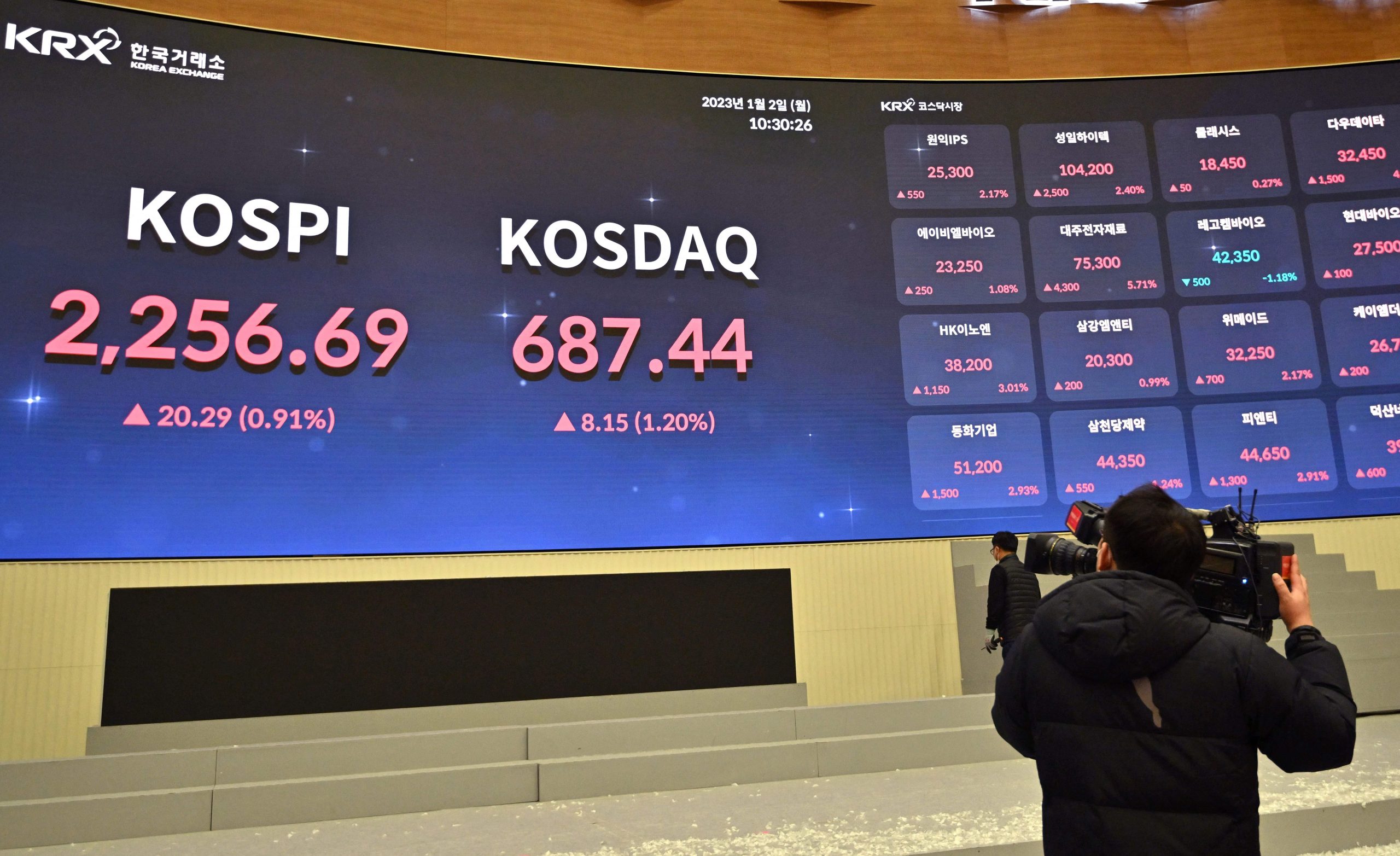
The math is brutal. Honda reported a total EV-related loss of 1.579 trillion yen for the fiscal year ended March. That translates to roughly 10 billion dollars. This massive R&D and infrastructure burn dragged the entire group into the red. The operating profit loss stands at 414.3 billion yen. This is a staggering reversal from the robust earnings seen only two years ago. The markets are reacting with cold precision. Shares on the Nikkei 225 dipped sharply as investors realized the safety net of the internal combustion engine is no longer sufficient to offset the costs of the future.
The Technical Cost of the Electric Pivot
Honda’s failure is not one of vision but of execution and timing. The capital expenditure required for the new e:Architecture platform has outpaced consumer demand. In the United States, high interest rates have cooled the enthusiasm for premium electric models. In China, local competitors are undercutting Japanese prices by 30 percent. Honda is caught in a pincer movement. They are spending like a tech startup while operating with the overhead of a legacy industrial giant.
The 1.579 trillion yen loss reflects more than just unsold cars. It includes massive write-downs on battery joint ventures and the decommissioning of older ICE-focused assembly lines. The transition is a zero-sum game. Every yen spent on solid-state battery research is a yen taken away from the high-margin hybrid vehicles that kept the company afloat during the early 2020s. The technical debt is accruing faster than the market can absorb. Analysts at Yahoo Finance note that Honda’s cash reserves, while still significant, are being depleted at an unsustainable rate.
Visualizing the Fiscal Descent
Honda Annual Operating Profit Trend (Billion JPY)
A Divergent Path in the Japanese Sector
Not all Japanese automakers are suffering the same fate. The contrast between Honda and its rivals is stark. While Honda bet heavily on a rapid full-EV transition, others remained cautious. This divergence has created a two-tier reality in the Tokyo markets. Honda is now the outlier. It is a cautionary tale of what happens when a legacy manufacturer tries to move faster than its supply chain allows.
| Company | FY2026 Operating Result (Est) | EV Spend as % of Revenue | Market Sentiment |
|---|---|---|---|
| Honda Motor | -414.3 Billion JPY | 14.2% | Bearish |
| Toyota Motor | +2.8 Trillion JPY | 6.8% | Neutral |
| Nissan Motor | +180 Billion JPY | 9.1% | Cautious |
The table above illustrates the risk profile Honda adopted. By allocating over 14 percent of total revenue to EV development, they left zero margin for error. Toyota’s multi-pathway strategy, which continues to emphasize hybrids, has shielded it from the volatility of the battery-electric market. Honda’s aggressive stance on the 0-Series lineup has yet to yield the volume necessary to cover the fixed costs of its revamped production facilities in Ohio and Ontario.
The Currency Trap and Global Headwinds
The yen’s persistent weakness against the dollar should have been a boon for exports. However, the cost of raw materials for batteries is denominated in dollars. This has neutralized the traditional exchange rate advantage. Honda is buying expensive lithium and cobalt with a weak currency and selling finished cars into a global market where consumer credit is tightening. It is a structural nightmare. The cost of goods sold (COGS) for their electric fleet is currently 22 percent higher than their internal combustion equivalents.
Institutional investors are now questioning the leadership of Toshihiro Mibe. The promise was a carbon-neutral future by 2040. The reality is a fiscal crisis in 2026. The technical hurdles of solid-state batteries remain unresolved. The charging infrastructure in key markets like the United States remains fragmented. Honda is essentially subsidizing the early adoption of EVs with its own balance sheet. This is not a sustainable business model for a company that once prided itself on lean manufacturing and fiscal discipline.
The Next Milestone
The focus now shifts to the June 30th production review. This will be the first clear indicator of whether the new assembly lines can achieve the efficiency gains promised during the last shareholder meeting. If the yield on the new battery modules does not improve by at least 15 percent, the projected losses for the next quarter could widen further. Watch the 148.50 yen level against the dollar. Any further devaluation of the yen will make the next batch of battery mineral contracts even more expensive, potentially pushing the 2027 recovery timeline even further into the distance.