The deal is dead
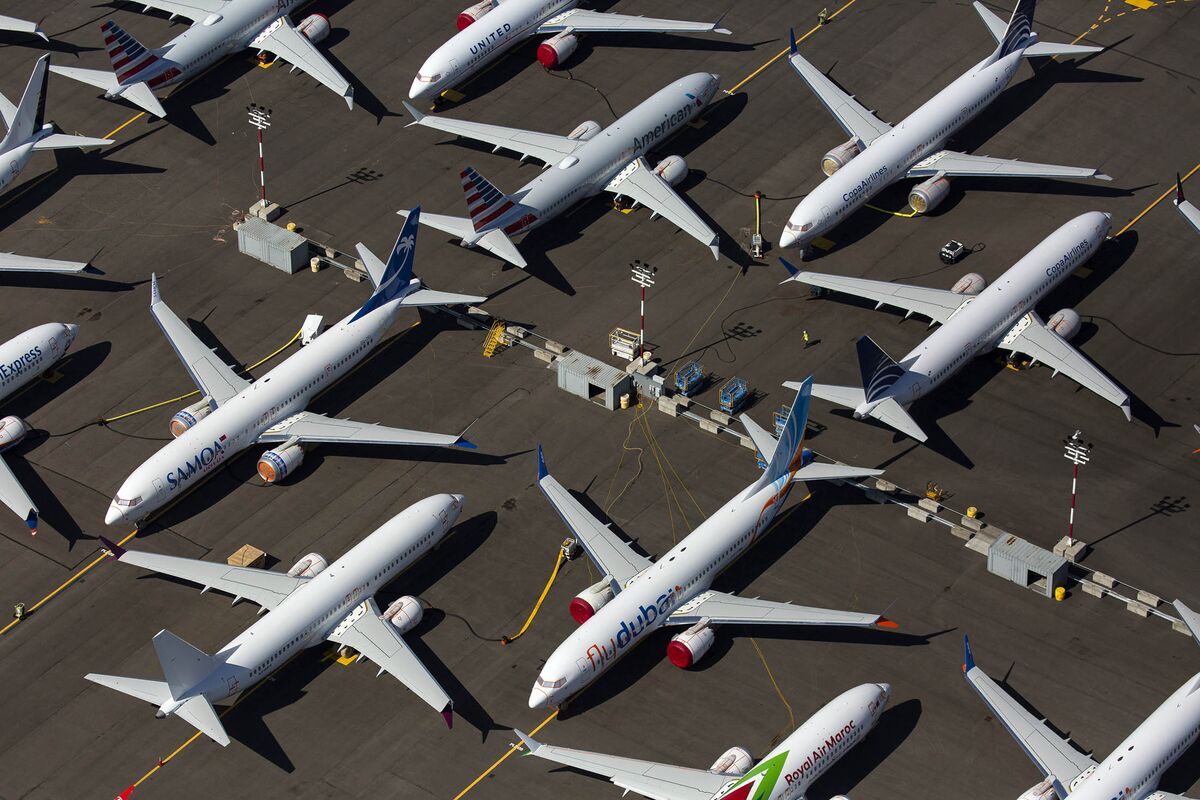
American Airlines chose independence over a forced marriage. The market is punishing the defiance. Shares of American Airlines (AAL) tumbled 3 percent in premarket trading after the carrier officially dismissed merger talks with United Airlines (UAL). This rejection ends weeks of feverish speculation regarding a consolidation that would have reshaped the global aviation landscape. Investors wanted the synergies. They got a cold shoulder instead.
The math of the merger was always a gamble. Combining two of the world’s largest carriers would have created a behemoth with unprecedented pricing power. However, the regulatory environment in the spring of 2026 remains hostile to such concentration. The Department of Justice has signaled a zero-tolerance policy for further domestic airline consolidation. American’s board likely saw the writing on the wall. A three year court battle with the DOJ is a cost they cannot afford.
Premarket Airline Stock Performance April 20 2026
The debt burden remains heavy
American Airlines is fighting a war on two fronts. First, it faces a staggering debt load of nearly 40 billion dollars. Second, it is struggling to modernize a fleet that is aging faster than its competitors. The United merger was viewed by some analysts as a way to dilute this debt through a massive equity swap. Without the deal, American must find a way to service its interest payments while fuel costs remain stubbornly high. The latest market data suggests that credit default swaps for AAL have widened following the announcement.
Yield management is the only lever left. American has been aggressive in raising fares on its primary hubs in Dallas and Charlotte. But there is a ceiling to what the consumer can bear. Inflationary pressures in early 2026 have already begun to dampen discretionary travel spending. If the carrier cannot improve its load factors while maintaining high ticket prices, the cash burn will accelerate. The rejection of the United bid suggests the board believes they can fix the balance sheet solo. It is a high stakes bet on organic growth in a saturated market.
Labor unions and the integration nightmare
Merging two airline cultures is a logistical hellscape. The primary hurdle is always the seniority list. Pilots at United and American have spent decades climbing their respective ladders. A merger forces these lists together, often leading to years of litigation and work slowdowns. According to the latest industry reports, the Allied Pilots Association was already preparing for a standoff. American's management likely realized that the operational chaos of an integration would offset any short term financial gains.
The technical debt is equally daunting. American and United operate on fundamentally different reservation systems and maintenance protocols. The cost to harmonize these platforms is estimated in the billions. In an era where software glitches can ground entire fleets for days, the risk of a botched digital integration is a systemic threat. American is choosing to focus on its own internal digital transformation rather than taking on United's legacy infrastructure.
Comparative Financial Metrics April 2026
| Metric | American Airlines (AAL) | United Airlines (UAL) |
|---|---|---|
| Market Cap (Est) | $8.4 Billion | $14.2 Billion |
| Total Debt | $39.5 Billion | $28.1 Billion |
| Premarket Change | -3.0% | -1.5% |
| Operating Margin | 4.2% | 6.8% |
The antitrust wall stands tall
The Biden-era antitrust momentum has not slowed down. Regulators have become increasingly skeptical of the "failing firm" defense often used to justify mergers. The DOJ's recent victory in blocking smaller regional partnerships has emboldened the agency. A merger between American and United would have faced an immediate injunction. The legal fees alone would have been a significant drain on capital. By walking away now, American avoids a protracted public battle that would have exposed its internal strategic weaknesses to the world.
The competitive landscape is shifting toward low cost carriers. While the majors flirt with consolidation, players like Southwest and JetBlue are eating into the mid tier market. American's decision to stay independent means it must now compete on service and reliability rather than just scale. The market's 3 percent drop reflects a fear that American lacks the agility to survive this competition without the protective umbrella of a larger corporate entity. The coming months will reveal if this independence is a sign of strength or a refusal to accept reality.
Watch the upcoming Q1 earnings call on April 27 for the specific debt-to-EBITDAR ratio. If that figure exceeds 5.5x, the market will likely demand a more radical restructuring plan than a simple merger rejection. The next milestone is the May 15 deadline for the new pilot contract ratification, which will determine the carrier's cost structure for the next three years.