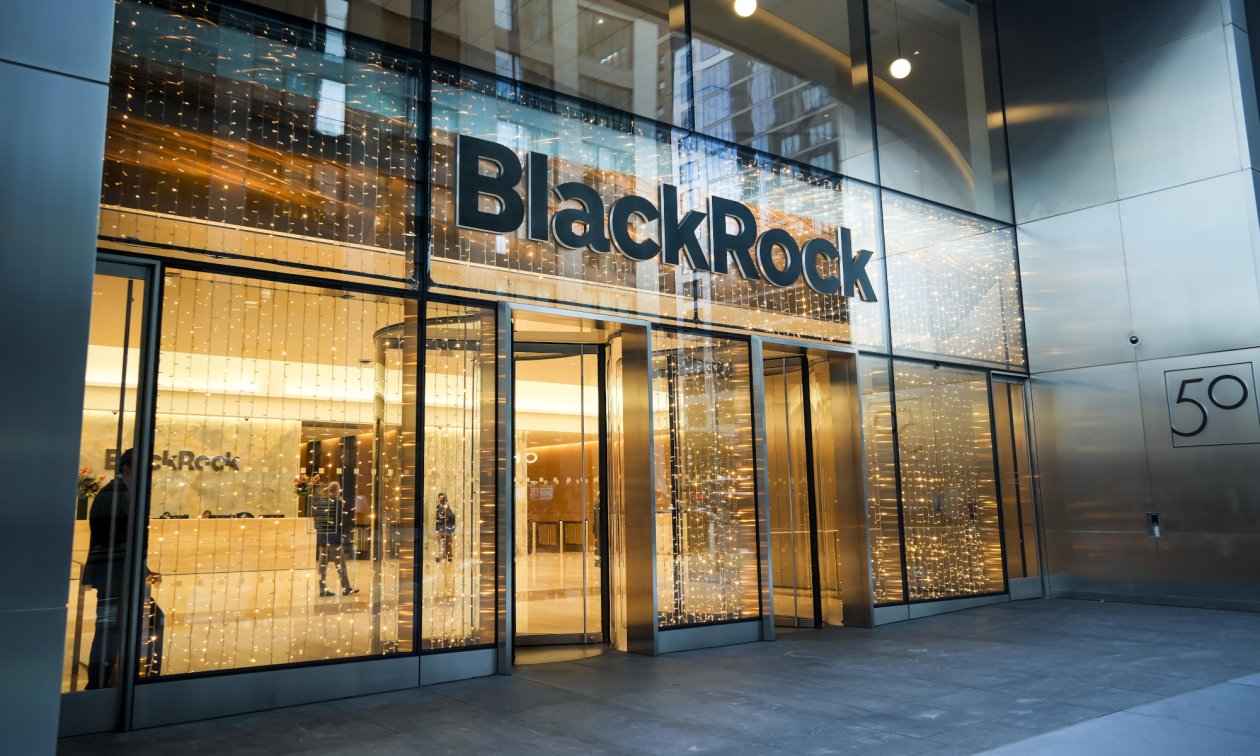
Austin is the new capital of capital. BlackRock confirmed it this week. The Institutional Investor Insights series kicked off in the Texas heat. It was not a victory lap. It was a repositioning. Institutional players are rotating out of traditional benchmarks. They are hunting for real assets. The energy in the room was not about sentiment. It was about survival in a high-cost environment.
The Great Rotation into Private Infrastructure
Public markets are saturated. Multiples are stretched beyond historical norms. The Austin event highlighted a fundamental shift in how the world’s largest asset manager views the next decade. Institutional clients are no longer satisfied with the 60/40 split. They are looking for the illiquidity premium. This is the extra return received for holding an asset that cannot be easily sold. In the private credit space, this spread currently sits at 450 basis points over the Secured Overnight Financing Rate. According to recent Bloomberg market data, the demand for private debt has outpaced supply for three consecutive quarters.
The Energy and AI Nexus
Innovation is a buzzword. In Austin, it has a specific meaning. It means the intersection of power generation and data centers. BlackRock is positioning itself at the center of this infrastructure super-cycle. The capital requirements for the next generation of AI clusters are staggering. We are talking about hundreds of billions in hardware and cooling. Public utilities cannot fund this alone. Private capital must fill the gap. This is the innovation BlackRock discussed with its institutional partners. It is a play on the physical layer of the internet. Without the transformer, the LLM does not exist.
Institutional Asset Allocation Trends June 2026
Institutional Asset Allocation Trends (June 2026)
The chart above illustrates the aggressive tilt toward non-public holdings. Private credit and infrastructure now command nearly half of the institutional focus. This is a structural change. It is not a cyclical trend. The liquidity mirage of the early 2020s has vanished. Investors now value certainty of cash flow over the ability to trade out of a position in seconds. Per Reuters financial reporting, the shift toward private markets has led to a significant decrease in IPO volume as companies choose to stay private longer, funded by the very institutions present in Austin.
The Technical Mechanism of Private Yield
Why now? The answer lies in the cost of capital. When interest rates are zero, everything looks like a good investment. When the risk-free rate is elevated, the bar for performance rises. Private credit offers floating rate structures. This protects the lender from inflation. It places the burden on the borrower. The innovation discussed in Austin involves sophisticated hedging strategies. Institutions are using bespoke derivative overlays to manage the duration risk of these long-term infrastructure plays. This is not your grandfather’s pension fund strategy. This is high-stakes engineering.
Regional Series and Global Implications
Austin was only the first stop. The In3 series will move to other global hubs. Each stop will focus on a different facet of this new regime. In London, the focus will likely be on regulatory alignment. In Singapore, it will be on cross-border capital flows. But the message from BlackRock is clear. The era of passive index tracking as a primary driver of alpha is over. Active management in private markets is the only remaining frontier for outsized returns. The energy in Austin was palpable because the stakes are unprecedented. We are witnessing the total financialization of physical infrastructure.
The next major milestone for market observers will be the June 12 release of the SEC’s updated Private Fund Adviser Rules. This regulatory update will determine the transparency requirements for the private credit vehicles discussed in Austin. Watch the 10-year Treasury yield for a break above 4.75 percent. If that happens, the rush into private infrastructure will accelerate as institutions flee the volatility of the bond market.