The New Toll Collectors of the Republic
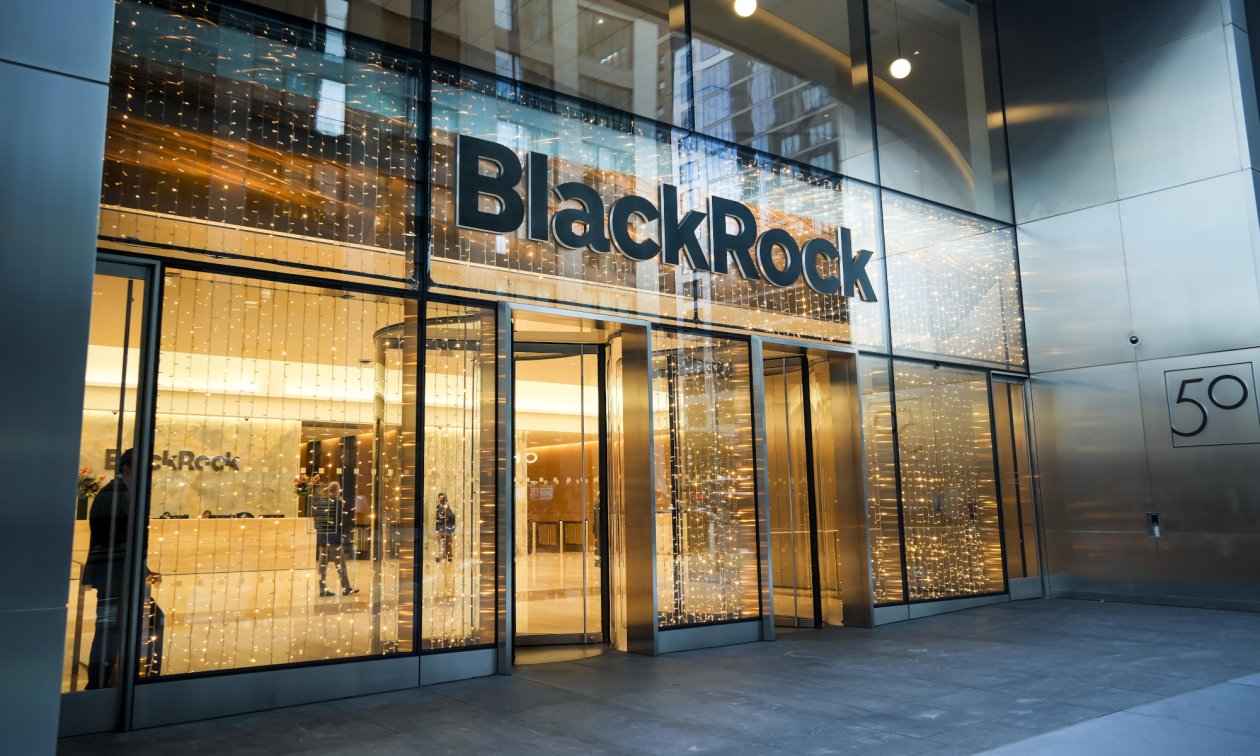
The money is moving. It is not coming from the Treasury. Today in Washington, BlackRock and Global Infrastructure Partners (GIP) convened the U.S. Infrastructure Summit. The optics suggest a public-private partnership. The reality is a wholesale transfer of essential services to private balance sheets. Larry Fink has spent years pivoting toward infrastructure as the ultimate asset class. The GIP acquisition was the catalyst. Now, the execution phase has arrived. This is no longer about building roads. This is about owning the power that feeds the AI revolution.
Capital flows where the friction is lowest. Federal grid modernization has stalled under the weight of bureaucratic inertia. Private equity sees the gap. According to recent Reuters reports, the demand for baseload power to support data centers has reached a critical inflection point. BlackRock is not just investing in the grid. They are building a proprietary ecosystem where they control the generation, the transmission, and the financing. This is the financialization of the physical world. It is efficient. It is also expensive for the end user.
The Power Demand Delusion
Mainstream narratives underestimate the energy cost of intelligence. AI chips require massive electrical loads. The existing grid was built for a different century. BlackRock and GIP are positioning themselves as the only entities with the scale to fix it. Their partnership with Semafor to host this summit highlights the intersection of media, policy, and high finance. They are setting the agenda before the public even understands the price tag. Private credit is the fuel for this machine. Banks have retreated from long-term project finance due to capital requirements. BlackRock has stepped into the void.
The scale of the capital required is staggering. Estimates suggest that over $1 trillion in investment is needed for the U.S. power grid alone by the end of the decade. Public funding covers less than a third of that. The rest must come from institutional investors seeking stable, inflation-linked returns. Infrastructure provides exactly that. It is a monopoly asset with captive customers. If you own the pipeline, you own the flow. If you own the grid, you own the future.
Projected Private Infrastructure Capital Allocations
The GIP Integration and Market Dominance
BlackRock’s acquisition of Global Infrastructure Partners was a strategic masterstroke. It removed a primary competitor and integrated a specialized management team. GIP manages over $100 billion in assets. They own airports. They own ports. They own massive renewable energy portfolios. By merging this with BlackRock’s $10 trillion platform, Fink has created a behemoth that can dictate terms to sovereign nations. The summit today is a victory lap. It is also a recruitment drive for pension funds looking for yield in a volatile market.
The technical mechanism of these deals often involves complex leaseback structures. A utility company sells its assets to a private fund and then leases them back to operate. This moves debt off the utility’s balance sheet. It also guarantees a steady stream of payments to the private fund. These payments are often passed through to consumers in the form of higher rates. Bloomberg data indicates that utility rate hikes in regions with heavy private equity involvement have outpaced the national average by 15 percent over the last twenty four months. The efficiency of private management comes at a premium.
| Infrastructure Sector | Private Investment Share (Est. 2026) | Annual Growth Rate |
|---|---|---|
| Data Center Power | 72% | 18.4% |
| Renewable Generation | 65% | 12.1% |
| Water Treatment | 28% | 5.5% |
| Logistics & Ports | 54% | 8.9% |
The Geopolitical Stakes of Private Control
National security is now tied to private capital. The U.S. government cannot afford to rebuild its own infrastructure. This creates a dependency on firms like BlackRock. If the grid is owned by institutional investors, who decides where the power goes during a shortage? These questions were largely avoided at today’s summit. The focus remained on “acceleration” and “progress.” These are code words for deregulation and faster permitting. The industry wants the government to get out of the way so they can build. They also want the government to provide loan guarantees to de-risk their investments.
This is the ultimate hedge. The private sector takes the profit while the public sector absorbs the tail risk. If a project fails, the government is often forced to step in to maintain essential services. If it succeeds, the dividends flow to Manhattan and London. This structural imbalance is the defining feature of the current economic era. We are witnessing the birth of a new corporate feudalism where the lords own the digital and physical pathways of commerce.
The next major milestone occurs in late June. The Federal Energy Regulatory Commission (FERC) is expected to rule on new grid-sharing protocols. This decision will determine how much profit private owners can extract from interstate power transmission. Watch the spread between utility bonds and private infrastructure debt. If the gap narrows, it means the market has fully priced in a private takeover of the American commons.