The King is dead
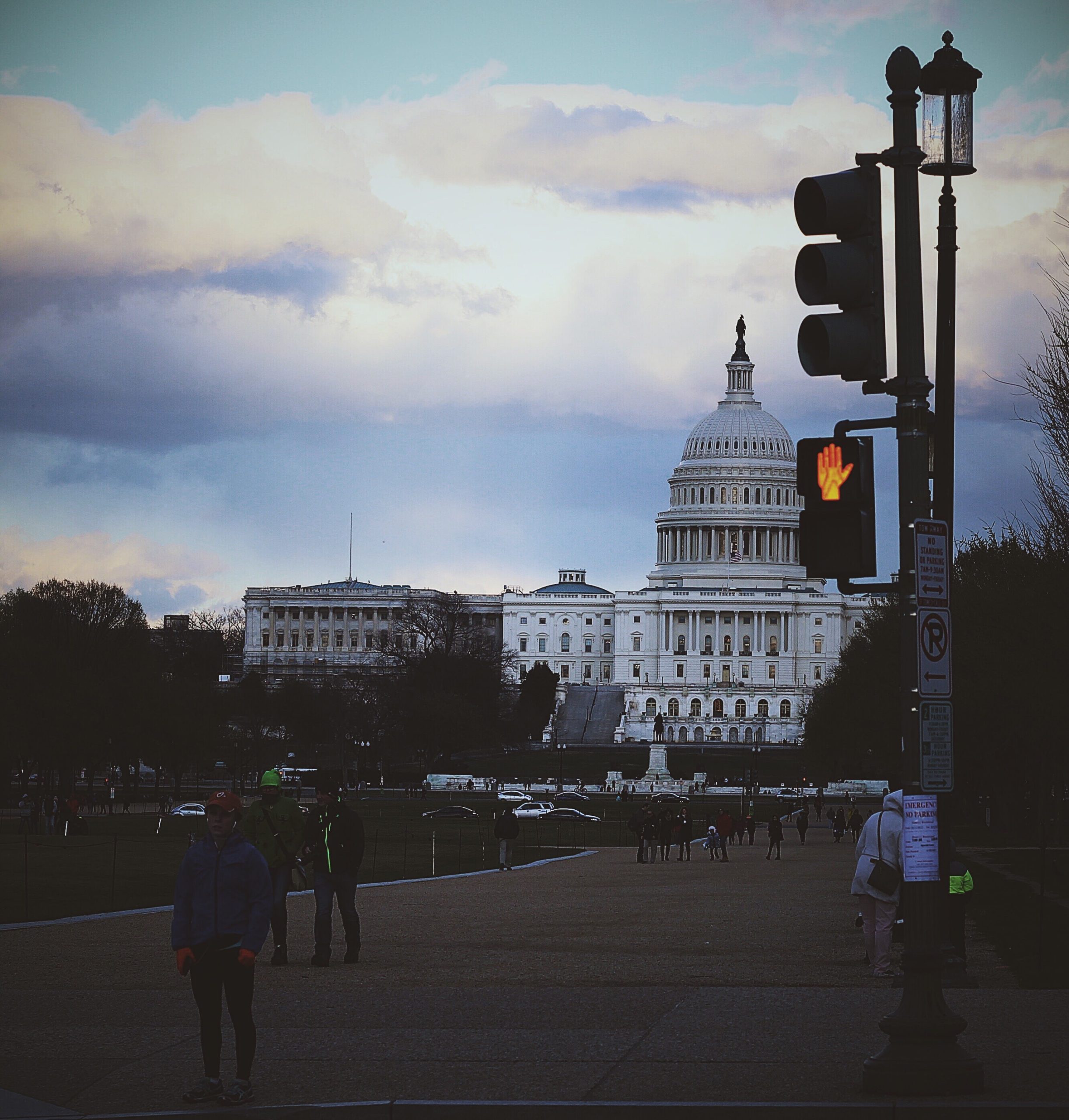
Nemesio Oseguera Cervantes, the man known globally as El Mencho, fell in a hail of gunfire five days ago in the mountainous terrain of Tapalpa. The raid by Mexican special forces on February 22 marked the end of a decade-long manhunt. It also triggered a violent spasm across sixteen Mexican states. Guadalajara remains a ghost town today as rival factions and security forces navigate the vacuum left by the founder of the Jalisco New Generation Cartel (CJNG). While the man is gone, his balance sheet remains. Recent estimates from Forbes place the total assets of the criminal enterprise at a staggering $50 billion. This is not merely a drug trafficking ring. It is a vertically integrated multinational conglomerate with a military wing and a diversified portfolio that rivals legitimate Fortune 500 companies.
The Architecture of Narco Capitalism
The $50 billion figure reflects a sophisticated evolution in illicit finance. CJNG has moved far beyond the traditional logistics of moving white powder across borders. They have pioneered a model of territorial extraction that functions like a shadow government. In regions under their control, every economic actor pays a tax. This includes avocado farmers in Michoacán and international mining firms in the Sierra Madre. Data from the U.S. Department of the Treasury suggests that extortion and protection rackets now account for nearly 20 percent of the group’s annual liquidity. They have effectively commodified violence, using it as a barrier to entry for competitors and a tool for market stabilization.
Estimated Annual Revenue Streams of the CJNG (2025-2026)
Boiler Rooms and Beachfront Resorts
The most alarming trend in the cartel’s financial growth is the pivot into white-collar crime. On February 19, just days before the Tapalpa raid, the Office of Foreign Assets Control (OFAC) sanctioned a network of timeshare fraud operations based in Puerto Vallarta. The centerpiece was Kovay Gardens, a luxury resort that served as a front for a massive telemarketing scam. The technical mechanism is chillingly efficient. Cartel-controlled call centers use stolen databases of elderly American timeshare owners. They pose as legal representatives or buyers, convincing victims to wire “closing costs” or “taxes” to Mexican bank accounts. These funds are then layered through a series of shell companies including Administradora y Comercializadora del Mar. The FBI estimates that these fraud factories have drained over $300 million from U.S. citizens in the last three years alone.
The Logistics of Illicit Commodities
Fuel theft, or huachicol, remains a core pillar of the Jalisco treasury. The cartel taps into state-owned pipelines with surgical precision, siphoning off billions of liters of gasoline for resale on the black market. This requires more than just muscle. It requires corrupt engineers and a fleet of unmarked tankers that move through the country’s logistics hubs with impunity. Similarly, the group has seized control of illegal gold mining operations. Gold is the ultimate laundering vehicle. It is high-value, easily smelted, and difficult to trace once it enters the global supply chain. By controlling the mines and the refineries, the CJNG has created a closed-loop system for cleaning drug proceeds before they ever touch a digital ledger.
Recent Enforcement Actions Against CJNG Financial Networks
| Entity Name | Sanction Date | Primary Activity | Location |
|---|---|---|---|
| Kovay Gardens | Feb 19, 2026 | Timeshare Fraud / Money Laundering | Nayarit, Mexico |
| Administradora del Mar | Feb 19, 2026 | Financial Services for Fraud Network | Puerto Vallarta, Mexico |
| Cabañas La Loma | Feb 25, 2026 | Logistical Support / Hideout | Tapalpa, Mexico |
| Kovay Services S.A. | Feb 19, 2026 | Shell Company / Fund Layering | Jalisco, Mexico |
The Fragmentation of the Fifty Billion
The death of a kingpin rarely leads to the death of the business. It leads to a restructuring. We are currently seeing the “Sinaloa-ization” of the Jalisco cartel. The centralized command structure that El Mencho maintained through sheer terror is fracturing into autonomous cells. These cells will now compete for the $50 billion in assets, ranging from fentanyl labs in the hills to real estate holdings in Guadalajara. The immediate risk to global markets is not a decrease in drug supply, but an increase in localized volatility. As the various lieutenants and family members, including the heirs of the Oseguera dynasty, scramble for control, the violence will likely escalate. Investors and security analysts should look closely at March 21. This is the deadline for the OFAC wind-down license for Kovay Gardens. The movement of capital through these sanctioned channels over the next three weeks will provide the first real map of where the power is shifting in a post-Mencho world.