The Mathematics of a Failed Breakout
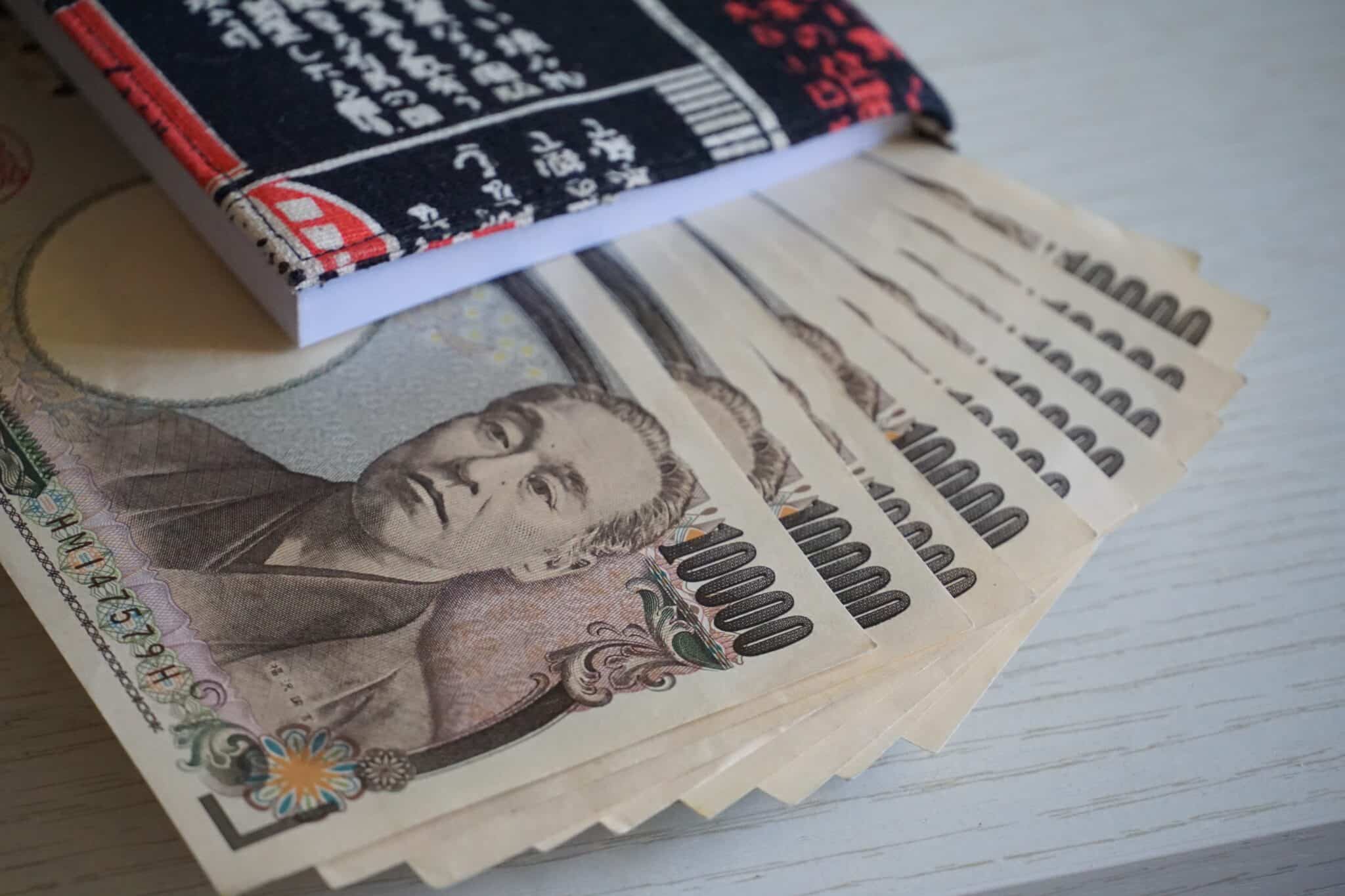
The Bank of Japan raised the overnight call rate to 0.50 percent yesterday. The market responded by selling the Yen. As of 09:00 GMT on December 20, 2025, USDJPY is trading at 154.42, a 1.2 percent increase since the policy announcement. This price action defies traditional monetary theory. Usually, higher rates strengthen a currency. In Japan, the opposite is happening. The reason is the real interest rate differential. With Japanese core inflation sitting at 2.8 percent, the real policy rate remains deeply negative at -2.3 percent. Investors are not looking at nominal hikes. They are looking at the spread.
Institutional flow data from the Reuters FX desk indicates that retail margin traders in Tokyo increased their short Yen positions by 14 percent in the last 24 hours. The carry trade is not dead. It has simply recalibrated for a higher floor. The BOJ intended to signal tightening. Instead, Governor Kazuo Ueda’s press conference emphasized that financial conditions remain accommodative. The market heard ‘dovish hike’ and immediately resumed the carry trade. This is a math problem, not a sentiment problem.
Yield Spreads and the 155 Resistance Wall
The gap between the US 10-Year Treasury and the 10-Year Japanese Government Bond (JGB) remains the primary driver of capital flight. While the Federal Reserve has stabilized rates near 4.25 percent, the JGB 10-year yield is struggling to maintain a foothold above 1.1 percent. This 315 basis point spread is too wide to ignore for institutional carry players. The following table illustrates the yield landscape as of December 20, 2025.
| Asset Class | Current Yield (Dec 20, 2025) | Real Yield (Inflation Adjusted) | 30-Day Change |
|---|---|---|---|
| US 10-Year Treasury | 4.25% | +1.85% | -10 bps | Japan 10-Year JGB | 1.12% | -1.68% | +12 bps | USD/JPY Spot | 154.42 | N/A | +2.1% |
| EUR/JPY Spot | 168.15 | N/A | +1.4% |
Technical analysis confirms the fundamental divergence. USDJPY successfully tested the 200-day Moving Average at 151.20 last week and has since embarked on a vertical ascent. The 155.00 level is the next psychological and technical barrier. Traders are watching for signs of verbal intervention from the Ministry of Finance. However, without a physical move into the market by the BOJ’s trading desk, the 155.00 level will likely fall before the year ends.
Visualizing the Rate Divergence
The persistent weakness of the Yen is best understood by looking at the trajectory of the policy rate versus the currency’s value. Even as the BOJ moves away from zero, the pace is too slow to attract repatriated capital. The chart below visualizes the USDJPY price action relative to the BOJ’s recent rate decisions.
The Technical Mechanism of Yen Depreciation
Why did the hike fail? It comes down to the settlement of export-import contracts and the hedging behavior of Japanese life insurers. Major insurers like Nippon Life have reportedly kept their currency hedge ratios at record lows. Hedging costs for USD assets currently exceed 5 percent. For a Japanese institutional investor, it is cheaper to stay unhedged and bet on Yen weakness than to pay the premium for protection. This creates a self-fulfilling prophecy of Yen selling.
According to data from Bloomberg Terminal, the short-gamma position in the FX options market for USDJPY is concentrated around the 155.50 strike. If the pair reaches this level, market makers will be forced to buy USD to hedge their exposure, potentially triggering a ‘gamma squeeze’ that pushes the rate toward 160.00. The BOJ’s 25 basis point hike is a drop of water in an ocean of dollar demand.
The structural trade balance also works against the Yen. Japan’s shift from a manufacturing powerhouse to a services and investment-driven economy means that trade surpluses no longer provide a natural floor for the currency. In October and November 2025, the trade deficit widened due to the rising cost of imported energy and semiconductors. Every Yen the BOJ creates through its ongoing (though reduced) bond-buying program finds its way into higher-yielding foreign assets almost instantly.
Looking Toward January
The market is now pricing in a 40 percent chance of another hike in March, but the immediate focus is the January 22 policy meeting. Investors are tracking the ‘Shunto’ spring wage negotiations. If initial reports suggest wage growth above 5 percent for 2026, the BOJ may be forced to abandon its cautious stance. Until then, the path of least resistance for USDJPY is higher. Watch the 155.20 level on December 26. If the market closes above that mark during the thin holiday liquidity, the 160.00 handle becomes a statistical probability before the first quarter of the new year concludes.