The Niigata Resurgence and the End of the Nuclear Interregnum
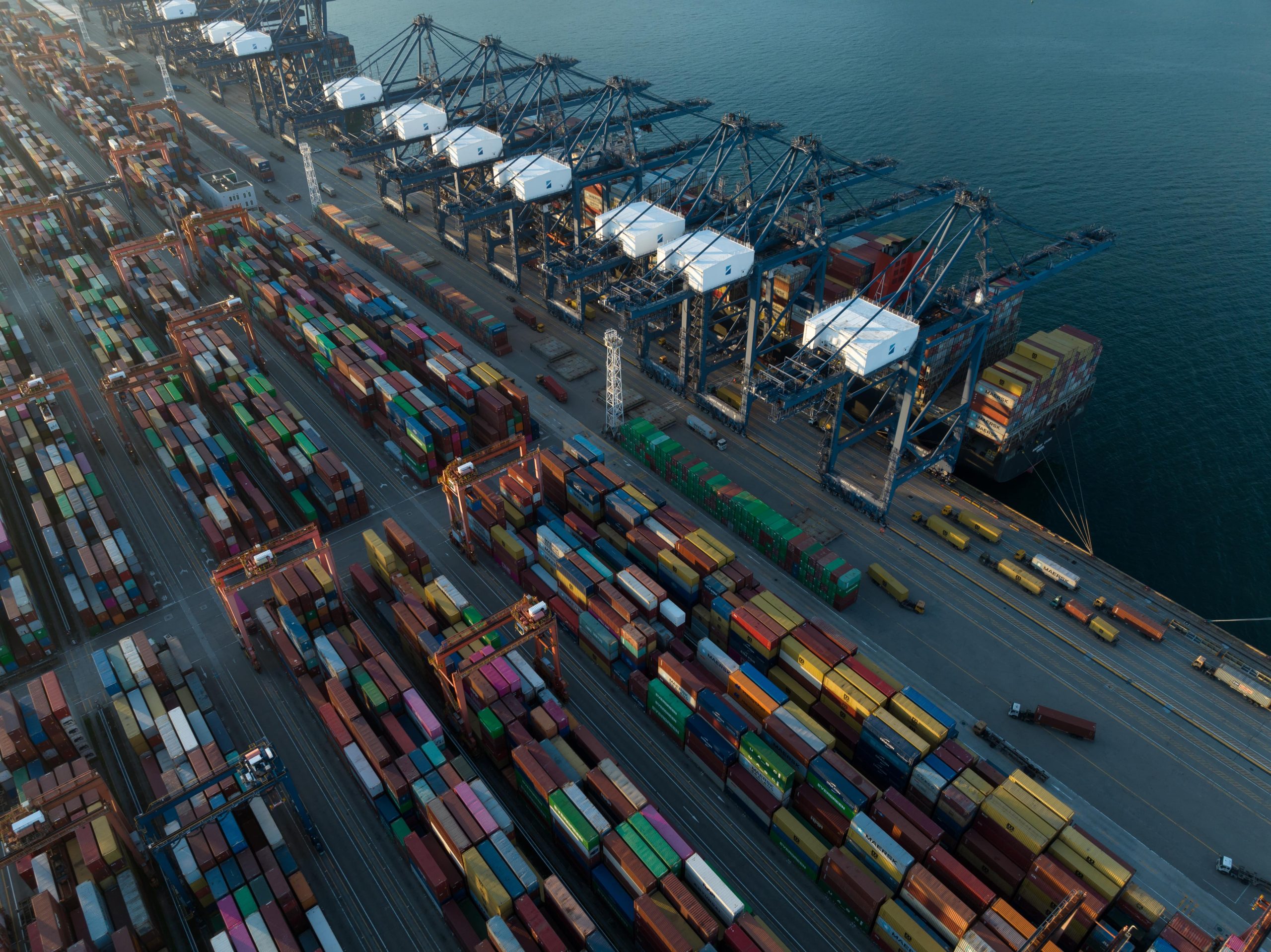
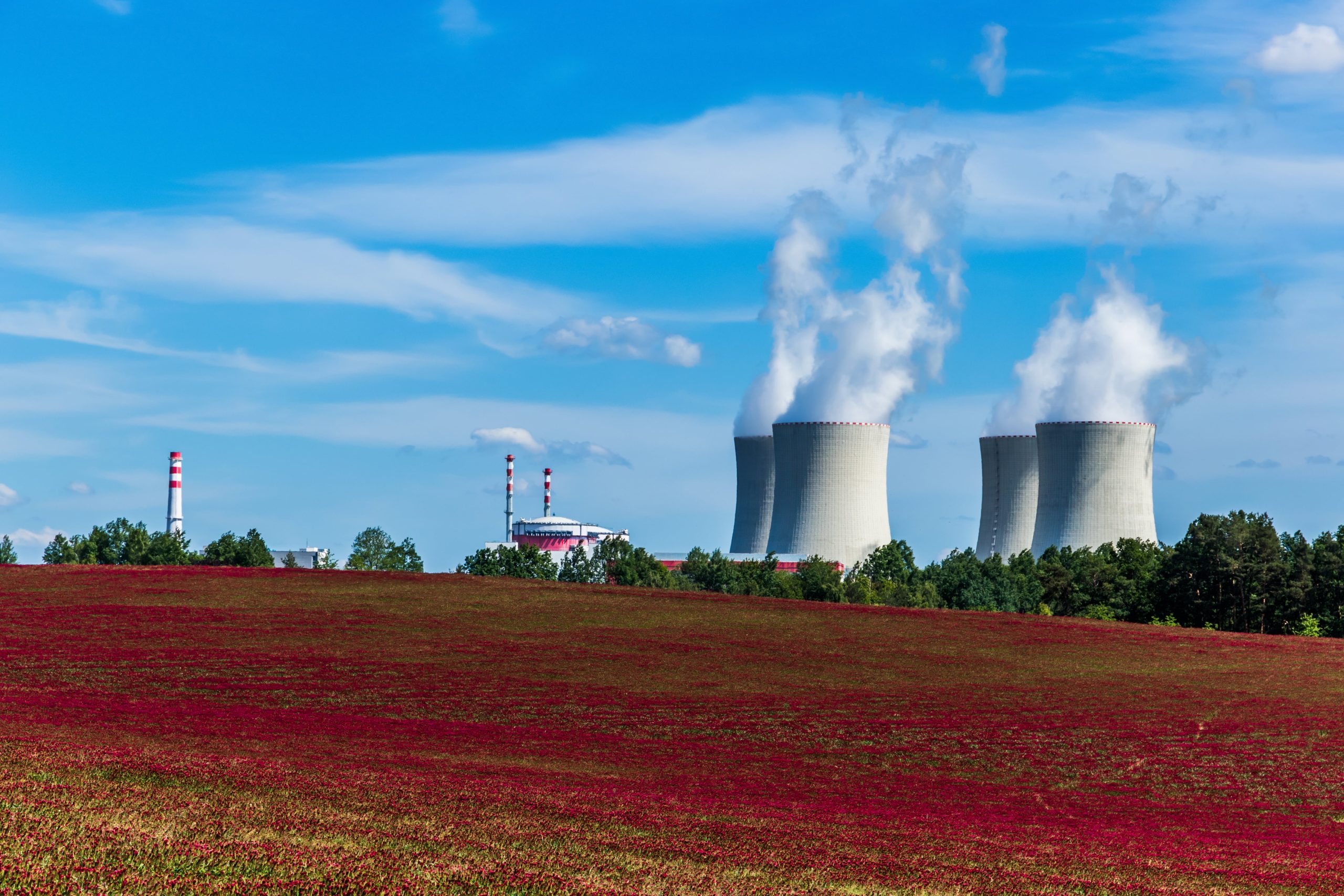
The silence that has defined the Kashiwazaki-Kariwa nuclear power plant since the Great East Japan Earthquake is finally being replaced by the hum of cooling pumps and the high-stakes calibration of control rods. As of December 26, 2025, the Tokyo Electric Power Company (TEPCO) has moved into the final phase of operational readiness for Unit 7, a 1,356-megawatt Advanced Boiling Water Reactor (ABWR). This is not merely a corporate milestone for a beleaguered utility, it is a tectonic shift in the Japanese trade balance and a signal to global commodity markets that the era of fossil fuel over-reliance is facing a structural challenge.
For over a decade, the 8,212-megawatt facility in Niigata Prefecture sat idle, a victim of both regulatory scrutiny and a collapse in public trust. However, the lifting of the operational ban by the Nuclear Regulation Authority (NRA) in late 2023 set a multi-year recovery process in motion. Throughout 2025, TEPCO has worked to satisfy the stringent requirements of Governor Hideyo Hanazumi and local municipalities, focusing on the evacuation protocols that were the final hurdle for the restart. The economic stakes are immense. Japan has spent trillions of yen on liquefied natural gas (LNG) to fill the baseload gap, a fiscal drain that has weakened the yen and complicated the Bank of Japan’s monetary policy.
Quantifying the Kashiwazaki-Kariwa Footprint
The scale of the Kashiwazaki-Kariwa complex is difficult to overstate. It remains the largest nuclear power station in the world by net electrical capacity. The restart of Unit 7 alone is expected to displace approximately 1.5 million tonnes of LNG imports annually. When Unit 6 follows, the combined output will significantly suppress the regional spark spread, the difference between the price of electricity and the cost of the gas used to produce it. This serves as a critical deflationary mechanism for a Japanese economy struggling with imported energy inflation.
| Unit Number | Reactor Type | Net Capacity (MW) | Current Status (Dec 2025) |
|---|---|---|---|
| Unit 1 | BWR | 1,067 | Long-term Cold Standby |
| Unit 2 | BWR | 1,067 | Long-term Cold Standby |
| Unit 3 | BWR | 1,067 | Long-term Cold Standby |
| Unit 4 | BWR | 1,067 | Long-term Cold Standby |
| Unit 5 | BWR | 1,067 | Safety Upgrades Ongoing |
| Unit 6 | ABWR | 1,315 | Pre-operational Testing |
| Unit 7 | ABWR | 1,315 | Operational Readiness / Fuel Loaded |
The technical sophistication of the ABWR units at the site represents the pinnacle of Gen III reactor technology. Unlike older designs, these units feature internal recirculation pumps, which eliminate large external pipe loops and significantly reduce the risk of coolant loss. This design choice, coupled with the new 15-meter sea wall and enhanced filtered venting systems, forms the backbone of the safety case that TEPCO has presented to the international community.
The Uranium Squeeze and the Global X Uranium ETF
Financial markets have not been blind to these developments. The Uranium Participation Corporation and the Global X Uranium ETF ($URA) have seen sustained capital inflows as Japan’s restart program gains momentum. Spot uranium prices, which hovered near $94 per pound in the final week of December 2025, reflect a market where demand is finally outstripping secondary supplies. As Japan moves from a net consumer of stored fuel to an active buyer on the spot and term markets, the pressure on the global supply chain is intensifying.
Institutional investors are closely monitoring the correlation between Japanese reactor restarts and the share prices of major producers like Cameco and Kazatomprom. Per the latest data from Reuters Energy, the global deficit in triuranium octoxide (U3O8) is projected to widen if the Japanese fleet returns to its pre-2011 status of providing 30 percent of the nation’s electricity. The Kashiwazaki-Kariwa restart is the lynchpin of this projection. If TEPCO can demonstrate safe, reliable operation in Niigata, it paves the way for the remaining idled reactors across the archipelago to follow suit under the government’s GX (Green Transformation) policy framework.
Structural Impacts on Japan’s Energy Security
The geopolitical ramifications are equally significant. For years, Japan has been vulnerable to the volatility of the Strait of Hormuz and the shifting alliances of the Middle East. By reactivating the world’s largest nuclear plant, the Ministry of Economy, Trade and Industry (METI) is effectively repatriating its energy sovereignty. This move aligns with the World Nuclear Association’s assessment that nuclear power remains the only scalable, zero-emission baseload source capable of supporting a modern industrial economy.
The return of Kashiwazaki-Kariwa also alters the competitive landscape for Japanese industry. High electricity costs have long been a drag on the manufacturing sector, particularly for chemicals and steel. With the injection of 2.6 gigawatts of low-cost nuclear power from Units 6 and 7, the regional power grid operated by TEPCO will see a reduction in the marginal cost of generation. This is a critical development for the Tokyo metropolitan area, which consumes roughly one-third of Japan’s total electricity. The stability of the grid, which was pushed to the brink during several recent heatwaves and cold snaps, will be substantially bolstered by the inertia provided by these massive turbines.
Critics remain concerned about the seismic risks inherent in the Niigata region, but TEPCO has invested billions of dollars in seismic isolation and structural reinforcement. The plant now features some of the most advanced earthquake monitoring and response systems in the world, designed to automatically trip the reactors and secure the core even in the event of a beyond-design-basis earthquake. This technical rigor is the price of admission for TEPCO’s return to the nuclear fraternity.
The immediate milestone to watch is the scheduled grid synchronization of Unit 7 in late January. This event will mark the first time the unit has produced commercial power in over 14 years. Market analysts are specifically looking for the ‘first light’ data from the Tokyo Electric Power grid, which will provide the first empirical evidence of how this massive supply influx will impact the Japan Electric Power Exchange (JEPX) spot prices. The transition from testing to full commercial operation in early 2026 will be the ultimate test of TEPCO’s operational transformation.