Liquidity flows. Water does not. This is the central contradiction of the Guatemalan economy as we close October 2025. On October 14, Fitch Ratings upgraded Guatemala to ‘BB+’ with a stable outlook, citing fiscal discipline and robust external buffers. Yet, while the sovereign credit profile climbs, the literal pipes of Guatemala City remain parched. The capital is currently trapped in a structural deficit where 13 percent of potential supply is lost to contamination or leakage before it ever reaches a faucet.
The Unfunded Risk Participation Model
Capital is cheap. Infrastructure is expensive. To bridge this gap, the International Finance Corporation (IFC) has deployed a GTQ 280 million ($36.5 million) Unfunded Risk Participation (URP) facility. This is not a direct loan. Instead, the IFC is providing a 75 percent credit guarantee to Banco Industrial, the country’s largest lender. By absorbing the first-loss tranche, the IFC allows the Municipality of Guatemala (MGC) to borrow at rates previously reserved for blue-chip corporates.
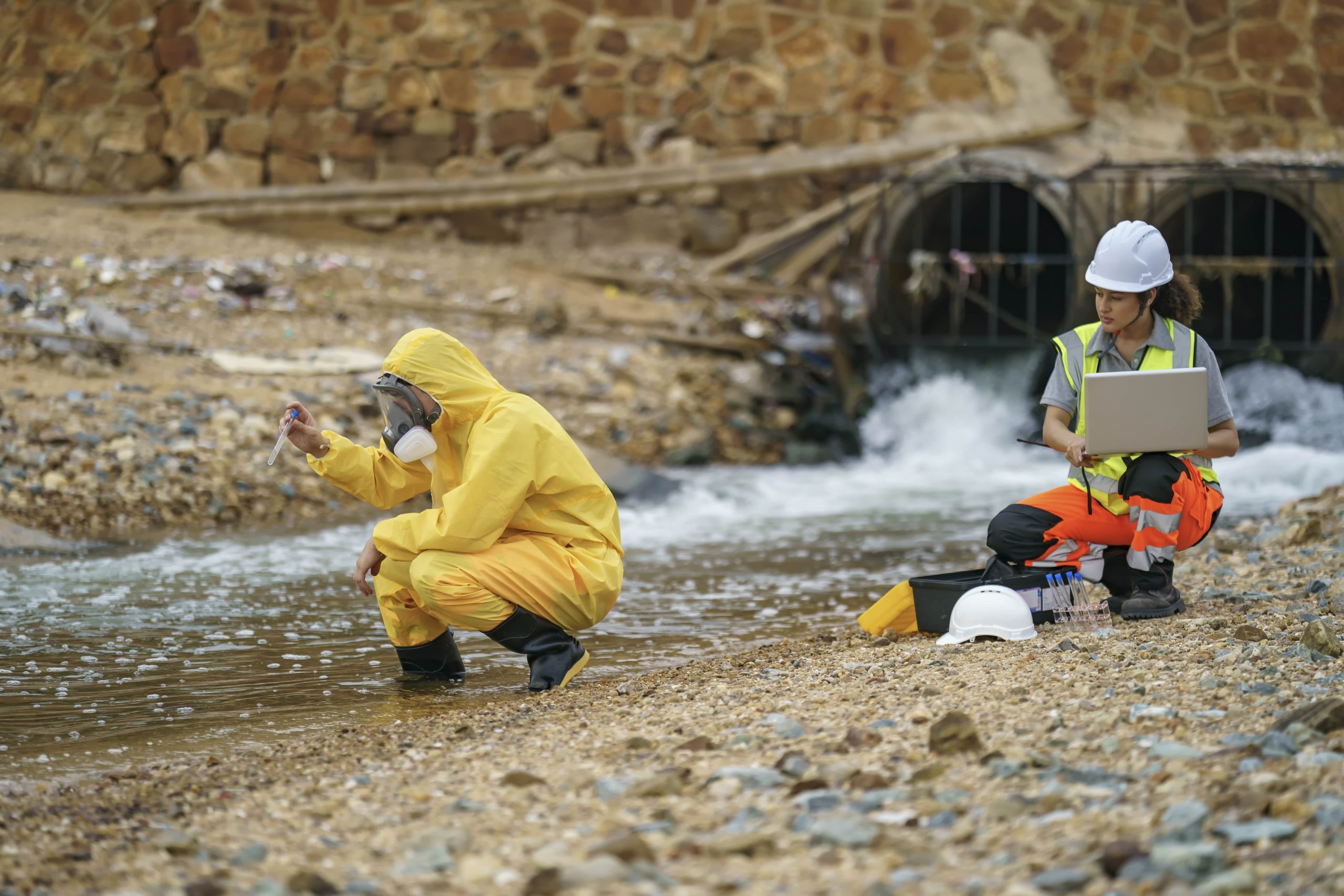
The mechanism is surgically precise. The deal, signed in June and now nearing its first major disbursement phase, targets three specific bottlenecks. First, the construction of three ‘greenfield’ pretreatment plants. These facilities are designed to scrub surface water from the Las Vacas and Pixcayá basins before it enters the existing, overwhelmed treatment network. Second, the rehabilitation of a dormant Water Treatment Plant (WTP) that has sat idle due to technical obsolescence. Third, a deep-tech refurbishment of the groundwater extraction systems managed by EMPAGUA to stem the 13 percent volume loss that plagues the current grid.
The Macro-Economic Backdrop of October 2025
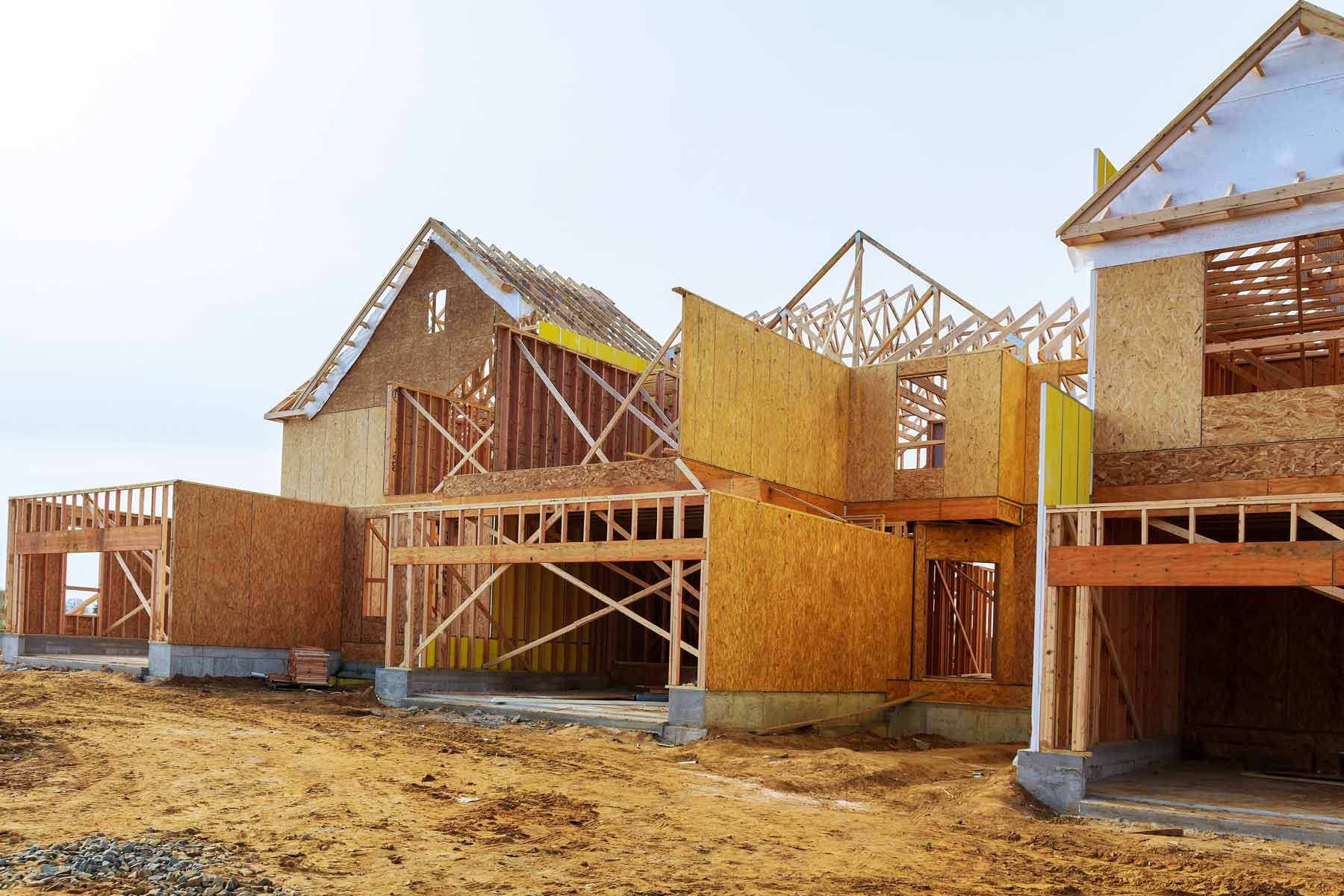
The timing of this intervention is dictated by a unique monetary window. Per the October CPI report from the Banco de Guatemala (Banguat), annual inflation has ebbed to a staggering 1.26 percent. This follows the central bank’s decision on September 24 to cut the leading interest rate to 4.00 percent. Real interest rates are now at a level that should, in theory, trigger a private sector construction boom. However, without municipal water security, vertical residential developments in Zones 10, 14, and 15 face a hard ceiling on growth.
Technical Barriers to Urban Resilience
The engineering challenge is as daunting as the financial one. Guatemala City’s growth is not horizontal; it is vertical and dense. This ‘nearshoring’ boom in the Escuintla-Guatemala City corridor has increased the demand for industrial-grade water reliability. EMPAGUA’s current system is a legacy patchwork. The IFC-backed project aims to add 520 liters per second (l/s) of capacity. To a layman, this sounds like a statistic. To a developer, it represents the difference between a project being ‘bankable’ or ‘stranded’.
The fiscal terms of the IFC Project 49032 are structured to ensure that the Municipality of Guatemala City (MGC) maintains its debt-to-revenue ratios. By using an unfunded guarantee, the city avoids immediate foreign exchange risk, as the underlying loan from Banco Industrial is denominated in Quetzales (GTQ). This is a strategic hedge against any potential volatility in the US dollar in early 2026, which some analysts predict could follow shifts in U.S. trade policy.
| Metric | Pre-Project (Oct 2025) | Projected Target (2027) |
|---|---|---|
| Drinking Water Volume | 126.1 million m3/year | 142.5 million m3/year |
| Population Benefited | N/A | 525,000+ residents |
| Treatment Capacity Increase | Base Level | +13 Percent |
| IFC Risk Participation | 0% | 75% (GTQ 210M) |
Institutional Risks and the Accountability Gap
Financial engineering cannot solve governance deficits. The Auditor’s previous critique of this sector noted a ‘lack of alpha’ in generic summaries. The real alpha here lies in the IFC’s ‘Upstream Engagement’ platform, which began in October 2022. Unlike previous failed dam projects, such as the Santa Rita or Canbalam hydro-investments that were mired in human rights complaints, the current MuniGuate project is classified as Category B. This means environmental and social risks are limited and site-specific.
The risk is not social unrest, but administrative inertia. EMPAGUA must demonstrate that it can manage these three new pretreatment facilities without the ‘leakage’—both physical and financial—that has defined the utility for decades. The IFC is providing technical advisory services to help the municipality create the bidding documents for contractor procurement, a move designed to prevent the ‘cost-overrun’ trap common in Central American public works.
Banguat’s current policy of keeping the Quetzal stable has provided a temporary shield for these investments. However, with the fiscal deficit projected to widen as the Arévalo administration pushes for a 45.9 percent increase in infrastructure spending for the next cycle, the pressure on municipal budgets will intensify. The IFC guarantee acts as a firewall, ensuring that even if sovereign spreads widen, this specific water project remains insulated from the broader volatility of the emerging markets bond index (EMBI).
The next critical milestone occurs in January 2026, when the international bidding process for the three greenfield pretreatment plants is scheduled to open. This will serve as the first true market test of the ‘Guatemala City urban resilience’ thesis. Watch the 5.98 percent yield on the 2034 sovereign bond; if this yield tightens below 5.5 percent following the bids, it will signal that the private sector has finally priced in the capital’s successful transition from a water-scarce to a water-secure metropolis.