The Senate Floor Becomes a Technical Battlefield
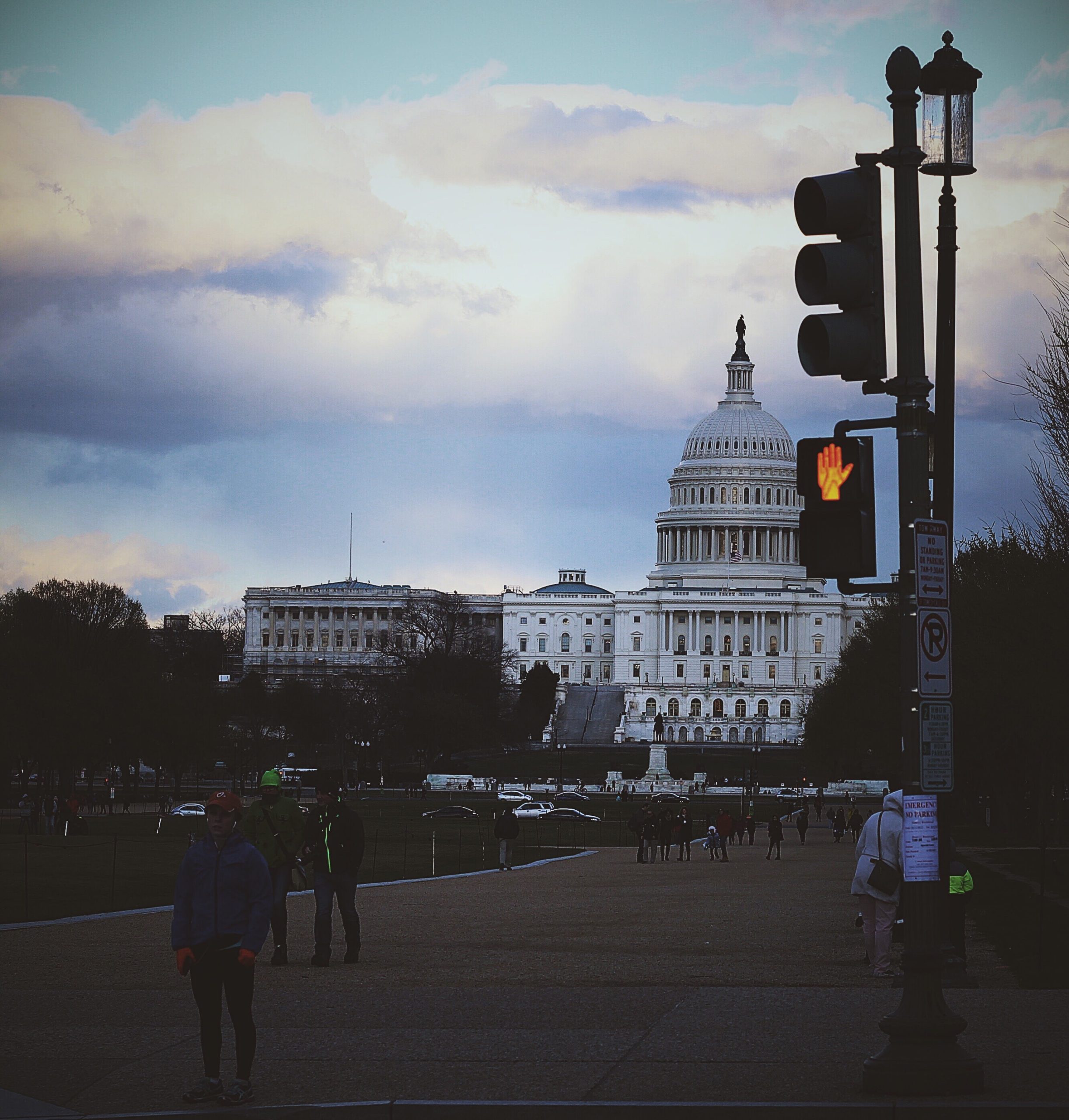
The room was cold. The stakes were higher. Today on Capitol Hill, the long-standing friction between Silicon Valley’s algorithmic optimism and federal safety mandates finally reached a boiling point. Executives from Tesla and Waymo sat shoulder to shoulder before a Senate commerce panel. They were not there to celebrate progress. They were there to defend their survival.
Market volatility spiked as the first hour of testimony unfolded. Tesla shares fluctuated by 4.2 percent within thirty minutes of the opening statements. Investors are no longer trading on promises of a robotic future. They are trading on the granular details of liability frameworks and sensor redundancy. The narrative of ‘total autonomy’ is being replaced by the harsh reality of regulatory gatekeeping.
The Great Architectural Schism
Tesla remains committed to its vision-only approach. It is a bet on pure neural networks. By removing ultrasonic sensors and radar, Tesla has doubled down on the idea that if a human can drive with two eyes, a car can drive with eight cameras. This is the ‘End-to-End’ philosophy. It treats the entire driving task as a single, massive inference problem. The Senate panel, however, expressed deep skepticism regarding the ‘black box’ nature of these networks. If the car makes a mistake, the engineers cannot always explain why.
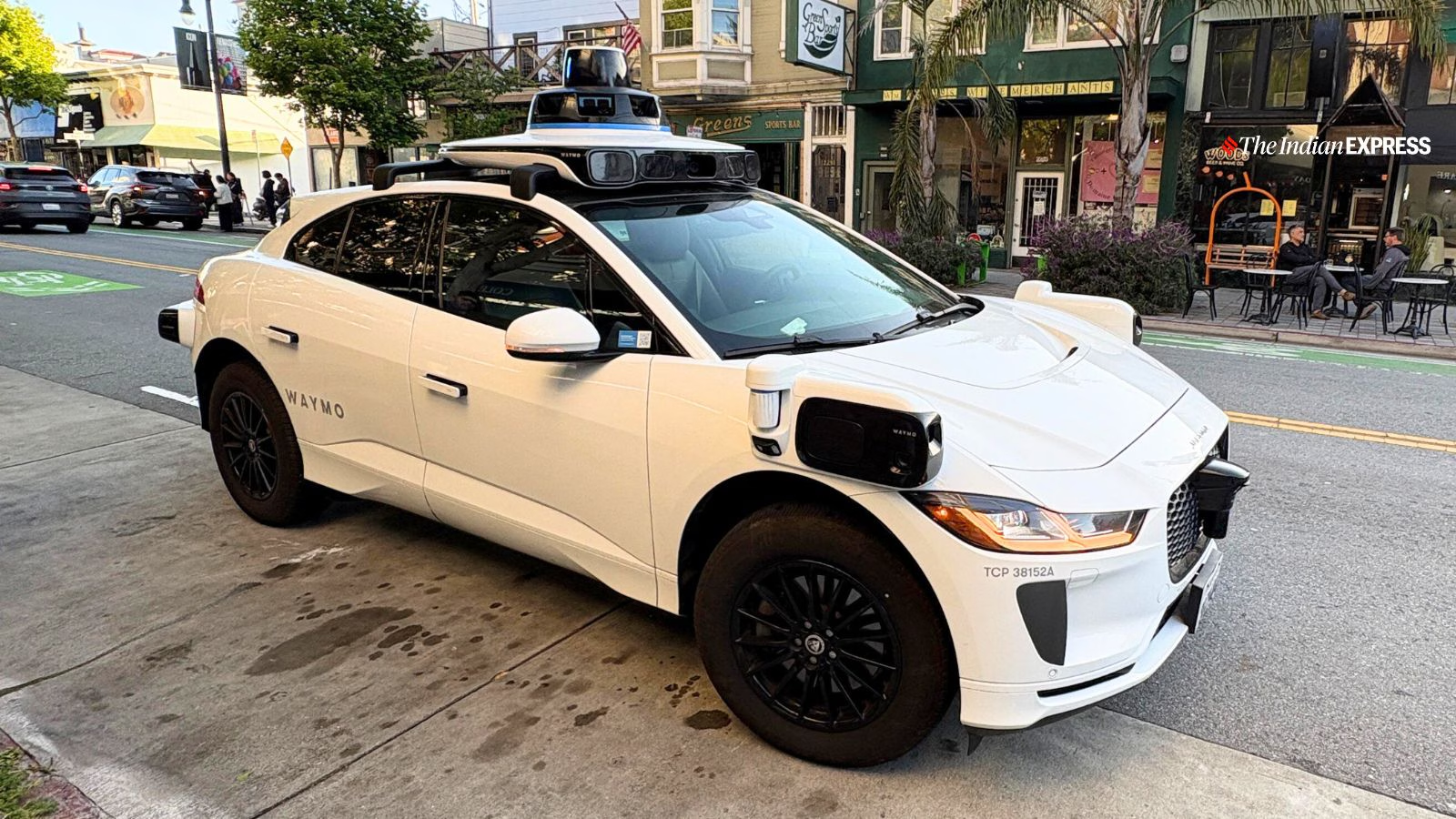
Waymo takes the opposite path. It is a fortress of hardware. Lidar, radar, and cameras create a multi-layered perception stack. They rely on high-definition mapping. This ensures the vehicle knows exactly where the curb is, down to the centimeter, before it even arrives. It is safer, but it is expensive. It is also geographically constrained. Waymo’s expansion into Austin and Miami has been methodical, almost glacial, compared to Tesla’s global fleet deployment. According to recent Reuters reports, the cost of a Waymo sensor suite still exceeds the total manufacturing cost of a Model 3.
The Liability Gap
Who pays when the robot kills? This was the central question of the afternoon. Current insurance models are built for human error. They are not built for software regressions. Tesla’s legal team argued that the driver remains the final authority, a stance that keeps the liability on the consumer. Waymo, operating a true Level 4 service, assumes the risk. This distinction is critical for the financial markets. If the Senate mandates that all autonomous systems must carry corporate liability, Tesla’s business model for Full Self-Driving (FSD) could collapse under the weight of insurance premiums.
The data presented today suggests a widening gap in performance metrics. Waymo’s disengagement rates have plummeted. Tesla’s ‘miles per intervention’ remain a point of contention. The following table outlines the current technical landscape as of February 4.
Autonomous Performance Metrics Comparison
| Feature | Tesla (FSD v14.2) | Waymo (Driver v6.1) |
|---|---|---|
| Primary Sensor | Vision (Cameras Only) | Lidar / Radar / Vision |
| Mapping Requirement | Minimal / GPS Only | High-Definition (Pre-mapped) |
| Hardware Cost (Est) | $1,200 | $35,000+ |
| Liability Assumption | Driver / Owner | Alphabet Inc. |
| Operational Domain | Unrestricted | Geofenced Cities |
The Intervention Problem
Data transparency is the new currency. The Senate panel demanded access to raw intervention logs. They want to see the ‘edge cases’ where the software failed. Tesla’s argument is that their fleet of millions provides more data than Waymo could ever collect. But data volume is not data quality. A billion miles of highway driving is less valuable than ten thousand miles of complex urban navigation in a rainstorm. The market is beginning to realize that the ‘data moat’ might be a mirage if the data is not being used to solve the hardest 1 percent of driving scenarios.
Interventions per 100,000 Miles (February 2026)
The Path to Federal Standardization
The hearing shifted toward the National Highway Traffic Safety Administration (NHTSA). There is a growing movement to strip states of their right to regulate autonomous vehicles. A single federal standard would be a massive win for Waymo. It would provide the legal certainty needed to scale nationwide. For Tesla, it is a double-edged sword. Federal standards usually involve rigid testing protocols. Tesla’s ‘move fast and break things’ software update cycle does not fit into a six-month federal validation window. Per a recent SEC filing, Tesla has already warned investors that regulatory delays are the primary risk to their 2026 revenue targets.
Technological convergence is not happening. Instead, we are seeing a bifurcation of the industry. On one side is the ‘Consumer AV’—a driver-assist system that is getting better but still requires a human fallback. On the other is the ‘Robotaxi’—a specialized, expensive, and highly regulated service. The Senate’s decision on whether to bridge these two categories with a single law will determine the winners of the next decade. The focus now turns to the upcoming March 15 deadline for the NHTSA’s new safety framework, which will likely mandate standardized reporting for all Level 2 and Level 4 systems.