The Nasdaq Pivot and the Death of Legacy Retail
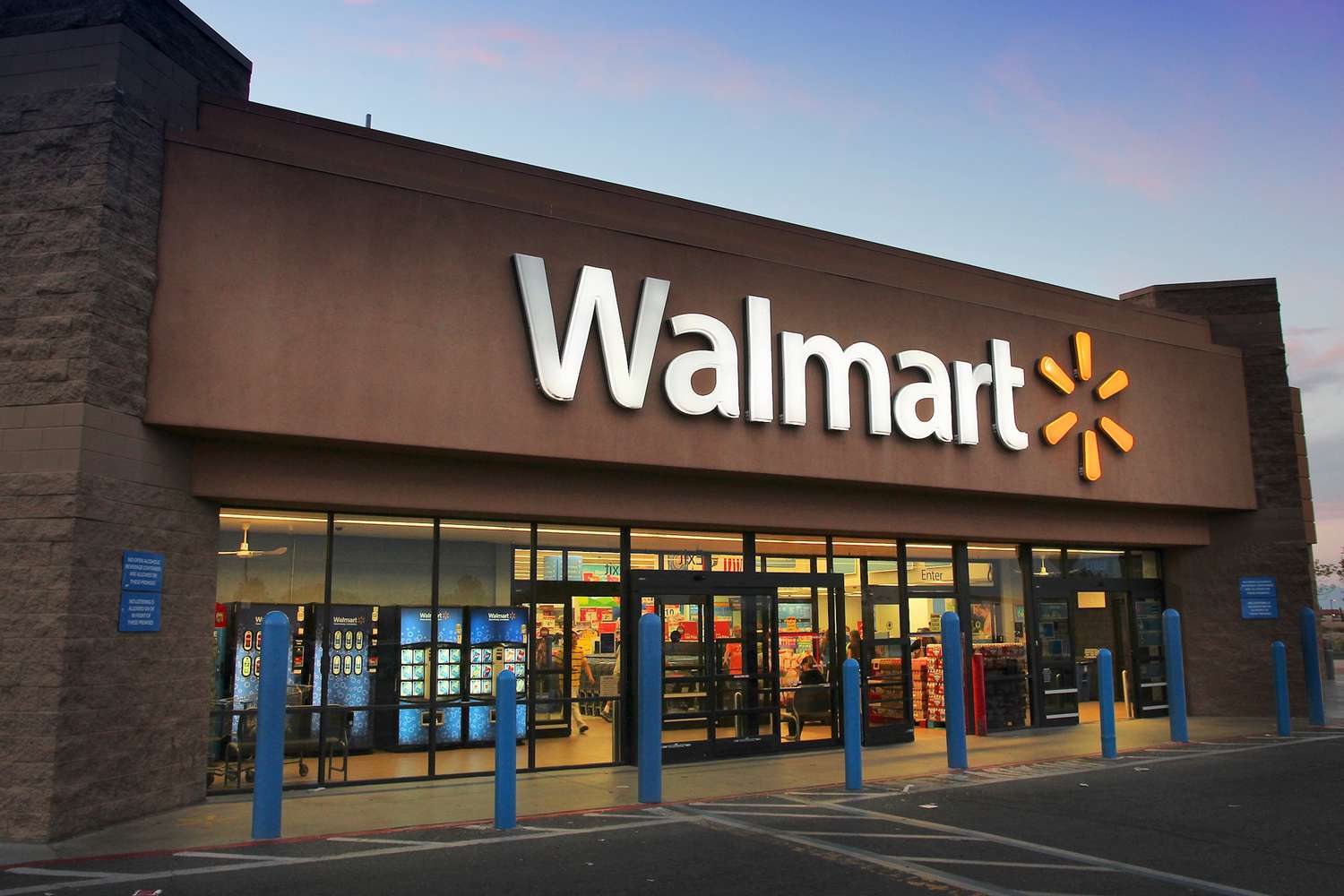
December 9, 2025, was not just another Tuesday for Walmart. It was the day the $871 billion giant officially abandoned the New York Stock Exchange for the Nasdaq. This was the largest listing transfer in stock market history. It was a calculated tech declaration. While analysts focused on the ticker move, Doug McMillon was on CNBC Squawk Box defining a new tactical era. He spoke of a blank calendar. To the uninitiated, this sounds like executive speak for flexibility. To the institutional analyst, it represents a radical shift in Open-to-Buy (OTB) liquidity. It is a weaponization of cash flow.
Retailers are usually prisoners of their own history. They operate on eighteen-month procurement cycles. They are locked into seasonal calendars that dictate what must be on shelves regardless of real-time demand. McMillon is burning that calendar. By leveraging generative AI to compress the supply chain, Walmart has effectively cleared its legacy purchase commitments. This allows the company to operate on a continuous replenishment model. They are no longer guessing what consumers want in six months. They are reacting to what was purchased six minutes ago. This is why Walmart’s Q3 fiscal filings showed inventory down 0.6 percent even as comparable sales surged 5.3 percent. They are selling more while carrying less. That is the definition of retail alpha.
The Technical Mechanism of the Trade-Down Effect
Inflation is cooling but sticky. The annual rate hit 2.7 percent in November 2025. This is the lowest since July, but it follows years of compounded price hikes. Consumers are not just tired; they are broke. However, the data reveals a surprising trend. The fastest-growing segment at Walmart is now households earning over $100,000 annually. This is the trade-down effect in high definition. Walmart is no longer just a destination for the budget-conscious. It has become a utility for the affluent who are seeking to preserve their lifestyle in a high-cost environment.
Walmart+ is the engine behind this capture. It is not a delivery service. It is a data collection grid. By offering free delivery and streaming perks, Walmart has mapped the consumption habits of the American middle class. This allows for hyper-personalized pricing. If the AI knows you are a brand loyalist for premium organic goods, it serves you private label alternatives like the bettergoods line at exactly the moment your price sensitivity peaks. This is predatory efficiency. It is the reason e-commerce grew 27 percent globally this past quarter. Per Nasdaq real-time data, the stock closed at $113.18 on December 10, 2025, reflecting a market that finally understands Walmart is a platform, not a store.
The AI Native Transition
McMillon’s appearance on CNBC highlighted a transition toward an AI-native shopping experience. This moves beyond basic chatbots. Walmart is integrating Large Language Models (LLMs) directly into the logistics stack. The goal is the elimination of friction. When McMillon discusses reducing the things people do not enjoy doing, he is talking about the death of the search bar. In the new model, the app understands context. It does not wait for you to search for milk. It predicts the replenishment date based on your historical velocity and adds it to an automated cart. This level of predictive commerce requires a massive capital investment that competitors like Target are struggling to match. Target is currently facing pressure from activist investors like Toms Capital, largely because their digital conversion rates lag nearly 15 percent behind Walmart's AI-enabled tools.
| Metric | Walmart (Q3 2025) | Market Consensus | Variance |
|---|---|---|---|
| Revenue Growth | 6.1% | 4.2% | +1.9% |
| Adjusted EPS | $0.58 | $0.53 | +9.4% |
| Global E-commerce | 27% | 18% | +50.0% |
| Advertising Revenue | 53% | 35% | +51.4% |
Inventory as an Asset Class
The old retail guard viewed inventory as the primary asset. McMillon views it as a liability that must be moved at maximum velocity. The blank calendar strategy allows Walmart to keep its balance sheet lean. This releases working capital that is being funneled into high-margin segments like retail media and membership fees. Walmart Connect, the advertising arm, saw revenue jump 53 percent this year. This is essentially pure profit. It allows Walmart to keep grocery prices low, effectively subsidizing their market share gains with advertising dollars from the very brands that sell on their shelves. This creates a feedback loop that is nearly impossible for regional grocers to break. They are fighting a price war against a company that does not need to make a profit on the actual product to stay solvent.
As we move toward the final weeks of 2025, the focus shifts to the 11,000 physical locations. These are no longer just stores. they are micro-fulfillment centers. Roughly 35 percent of store-fulfilled orders are now delivered in under three hours. This speed is the final nail in the coffin for traditional e-commerce players who lack the physical footprint to compete on the last mile. The calendar is blank because the future is being written in real-time. Watch the January 2026 PCE deflator for signs of consumer fatigue, but the real data point to track is the $1 trillion market cap threshold. Walmart needs only a 15 percent price appreciation from current levels to join the most exclusive club in finance.