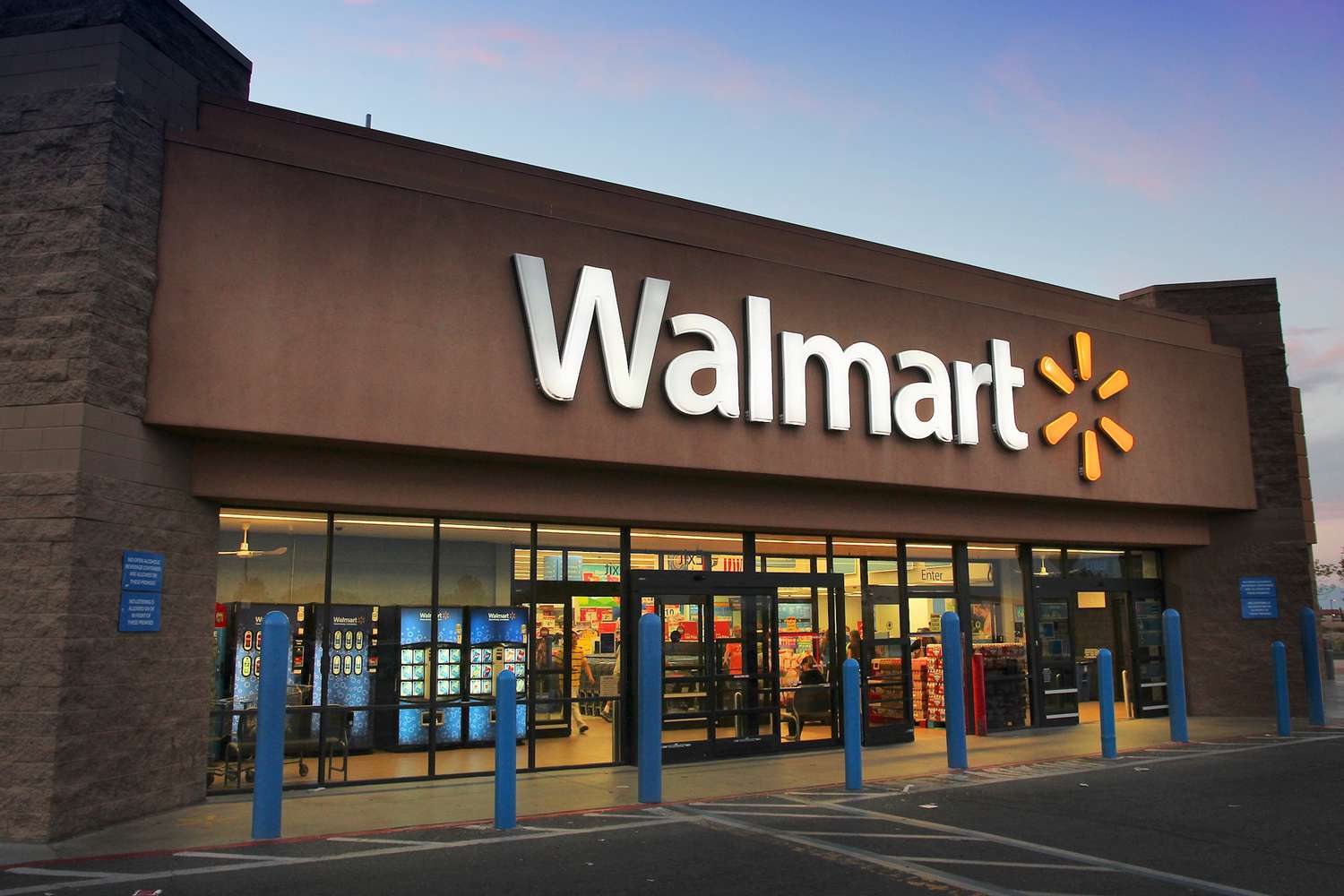
The Retail Bellwether Faces a Reckoning
The consumer is exhausted. Savings are depleted. Credit card balances have reached a breaking point. Tomorrow morning, Walmart ($WMT) will provide the definitive autopsy of the American middle class. The market expects a beat on the top line. It ignores the structural rot in the margins. Walmart has become the lender of last resort for a population that can no longer afford the lifestyle it was promised in 2024. The stock is hovering near all-time highs. This is a dangerous divergence from reality.
Walmart’s dominance is no longer about low prices. It is about the trade-down effect. High-income households now account for nearly 30 percent of Walmart’s market share gains. This is not a sign of retail health. It is a symptom of systemic wealth erosion. When families earning six figures start hunting for generic-brand cereal, the broader economy is in trouble. We are seeing a consolidation of retail power that masks a decline in individual purchasing power.
The Technical Squeeze on the S&P 500
The S&P 500 ($SP500) is trapped in a narrow corridor. It is testing the 5,800 level with thinning volume. Institutional liquidity is exiting. Retail investors are the only ones left holding the bag. Per recent data from Bloomberg, the equity risk premium is at its lowest point in a decade. Investors are taking on massive volatility for negligible returns over risk-free assets. The index is top-heavy. Five stocks dictate the direction of the entire market. If Walmart misses tomorrow, the contagion will be immediate.
Technical indicators show a bearish divergence on the Relative Strength Index (RSI). The price is making higher highs while the momentum is making lower highs. This is a classic distribution phase. Smart money is moving into short-term Treasuries. They are waiting for the snap. The Federal Reserve’s refusal to cut rates below 4 percent has created a permanent ceiling for equity valuations. The cost of capital is finally catching up to the P/E ratios.
Nasdaq Growth and the Implementation Gap
The Nasdaq Composite ($COMP:IND) is suffering from a realization crisis. The artificial intelligence hype of the last two years has met the reality of the balance sheet. Companies are spending billions on GPUs. They are seeing pennies in productivity gains. This is the implementation gap. Investors are no longer rewarding promises. They are demanding cash flow. The software sector is particularly vulnerable. Subscription fatigue has set in. Enterprise clients are slashing seats to preserve EBITDA.
We are tracking a shift in capital allocation. The money is moving away from speculative tech and toward defensive infrastructure. According to the latest filings on SEC.gov, insider selling in the tech sector has reached a three-year peak. Founders are cashing out. They know the easy money era is over. The Nasdaq is currently trading at 32 times forward earnings. In a world of 4.5 percent yields, that math does not work. A correction is not just likely. It is mathematically required.
Visualizing the Trade-Down Effect
The following chart illustrates the percentage of Walmart’s new customer acquisition coming from households with annual incomes exceeding $100,000. This data point is the most critical metric for tomorrow’s earnings call.
The Inventory Trap and Margin Compression
Walmart has managed its inventory better than its peers. But the cost of logistics is rising again. Fuel prices have stabilized at a higher plateau. Labor costs are sticky. The company cannot pass these costs to the consumer anymore. The consumer is tapped out. We are entering a period of margin compression that the market has not priced in. Analysts are focused on revenue growth. They are ignoring the quality of that revenue. A dollar of revenue from a high-margin electronics sale is not the same as a dollar from a low-margin grocery sale.
The grocery segment now makes up over 60 percent of Walmart’s domestic sales. This is a low-margin trap. As the mix shifts toward essentials, the net income will suffer. Target and Amazon are facing similar headwinds. As noted by Reuters, retail theft and “shrink” remain persistent drags on the bottom line. Walmart is investing heavily in automation to combat this. But those capital expenditures take years to pay off. The market wants results now.
Market Expectations for the February 19 Session
The volatility index (VIX) is creeping upward. Option traders are pricing in a 4.5 percent move for Walmart tomorrow. This is significantly higher than the historical average. It suggests a lack of conviction. If the company provides weak guidance for the first half of the year, the S&P 500 will lose its primary pillar of support. The index is currently resting on its 50-day moving average. A break below this level would trigger a wave of algorithmic selling.
Watch the credit card delinquency data. It is the leading indicator for retail performance. When the 30-day delinquency rate hits 3.5 percent, retail sales typically drop by 2 percent in the following quarter. We are currently at 3.42 percent. The margin of error is non-existent. The market is priced for perfection in an environment that is deeply flawed. Tomorrow’s open will determine the trajectory for the rest of the quarter.
The next major data point arrives on Friday with the release of the Personal Consumption Expenditures (PCE) index. This will confirm if the inflation cooling has stalled. If PCE comes in hot alongside a Walmart margin miss, the 5,800 support level for the S&P 500 will vanish.