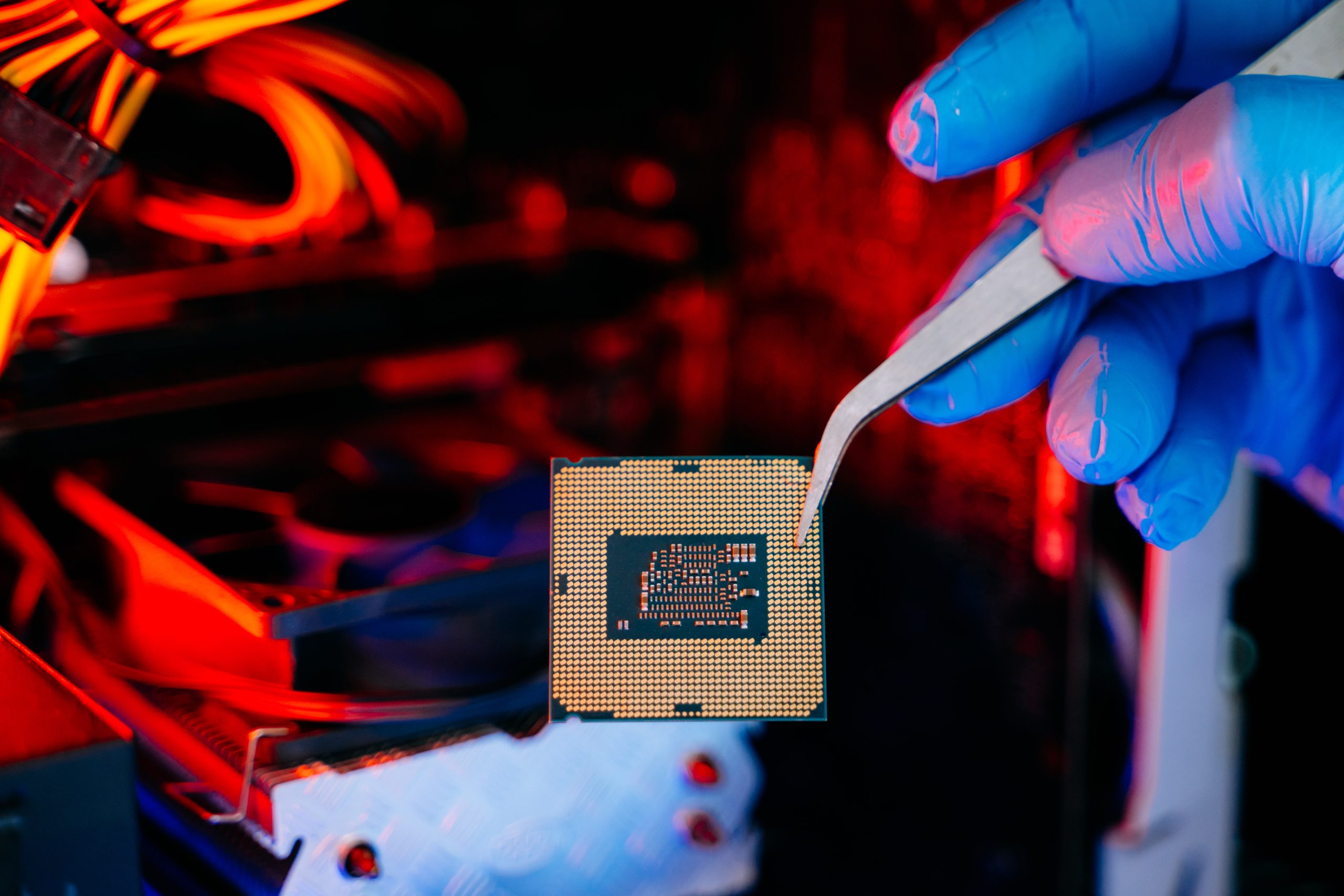
The 880 Terawatt Hour Reality
Power is the new silicon. As of October 28, 2025, the narrative of energy diversity has been replaced by a brutal race for baseload capacity. The United States power grid is currently facing its most significant structural deficit since the 1970s energy crisis. The primary driver is not residential growth or industrial manufacturing. It is the relentless scaling of Large Language Model (LLM) training clusters. Data from the U.S. Energy Information Administration suggests that data center electricity consumption has surged to nearly 10 percent of total domestic demand, up from 4 percent just two years ago.
The Physics of the Blackwell Bottleneck
Computational efficiency is losing to raw thermal requirements. The NVIDIA Blackwell B200 clusters, now fully deployed across Tier 1 hyperscalers, consume up to 120kW per rack. This is a 300 percent increase over the previous H100 generation. Investors who ignored the physical constraints of the grid are seeing their margins compressed. It is no longer enough to own the chips. You must own the electrons. This shift has forced a radical revaluation of independent power producers (IPPs).
Nuclear Renaissance and the Co-Location Gambit
The market has moved beyond solar and wind for AI. Intermittency is the enemy of a 99.999 percent uptime requirement. On October 27, 2025, spot prices for power in the PJM Interconnection region reached levels that would have been unthinkable in 2023. This volatility is driving companies like Microsoft and Amazon to sign direct-behind-the-meter deals with nuclear providers. The restart of the Crane Clean Energy Center (formerly Three Mile Island Unit 1) is the blueprint. Constellation Energy (CEG) and Vistra (VST) are no longer valued as boring utilities. They are being traded as high-growth proxies for AI infrastructure.
The Natural Gas Backstop
Renewables cannot fill the immediate gap. The math does not work. According to recent filings with the Federal Energy Regulatory Commission, the backlog for grid interconnection has grown to over 2,500 gigawatts. This bottleneck ensures that natural gas remains the essential transition fuel for the next decade. Companies with significant Appalachian footprints, such as EQT Corporation, are seeing increased domestic demand as gas-fired peaking plants become the only viable way to prevent regional brownouts during peak AI training cycles. The arbitrage opportunity lies in the spread between Henry Hub spot prices and the localized capacity payments in high-density data center corridors like Northern Virginia.
Technical Mechanisms of the Power Squeeze
The crisis is mechanical. Transformers and switchgear are currently on a 36-month lead time. High-voltage direct current (HVDC) lines are facing regulatory hurdles that prevent the movement of wind power from the Midwest to the coastal AI hubs. This has created “energy islands” where the cost of compute is dictated entirely by local grid reliability. Large-cap tech firms are now vertically integrating into the power sector, effectively becoming utility operators to protect their multi-billion dollar R&D investments. The fiscal reality is clear: those who do not secure long-term power purchase agreements (PPAs) today will find themselves priced out of the 2026 training cycle.
| Asset Class | 24-Month Return (Est) | Primary Risk Factor |
|---|---|---|
| Nuclear IPPs | +142% | Regulatory Overreach |
| Natural Gas Midstream | +38% | Methane Tax Implementation |
| Grid Infrastructure (Copper/Transformers) | +89% | Supply Chain Fragility |
| Hyperscale Cloud Providers | Variable | Power OpEx Compression |
Market observers must track the upcoming January 2026 PJM capacity auction results. This single data point will confirm if the current price surge is a temporary spike or a permanent reset of the American industrial cost structure. The ability of the U.S. to maintain its lead in the global AI race is no longer a question of software or algorithmic ingenuity. It is a question of whether the physical grid can sustain the load of a trillion parameters without fracturing the domestic economy. Watch the 1,200 megawatt threshold for new data center permits as the lead indicator for the next quarter.