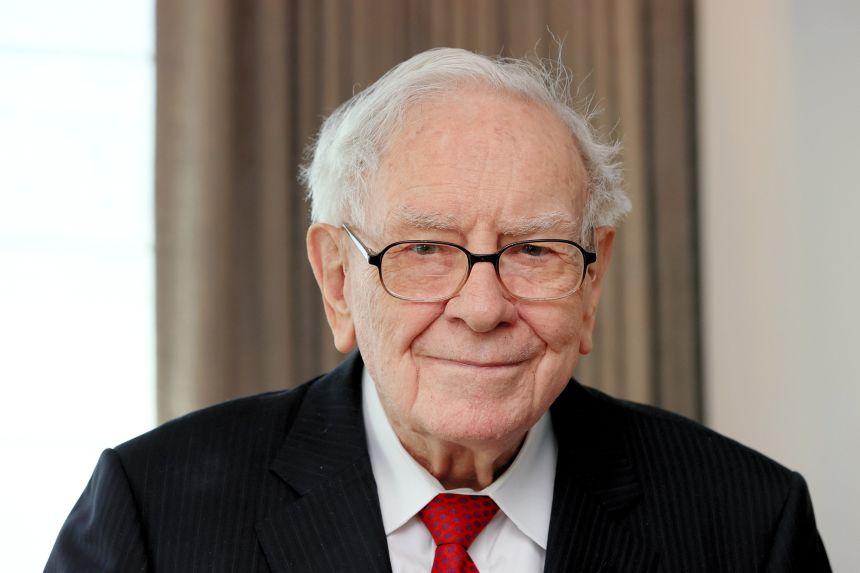
Cash is a position. It is not an absence of one. On November 12, 2025, the global financial community is forced to reckon with the sheer scale of the capital retreat orchestrated by Berkshire Hathaway. The conglomerate has effectively transitioned from an equity powerhouse into a shadow central bank, sitting on a record 381.7 billion dollars in liquid reserves. This is not merely a defensive crouch; it is a systematic liquidation of the American growth narrative as Warren Buffett prepares to step down at the end of the year.
The Great Liquidation of the Tech Moat
Concentration risk has been discarded. Over the last four quarters, Berkshire has reduced its stake in its cornerstone holding, Apple, by approximately 74 percent. This retreat began as a tactical tax maneuver but has evolved into a strategic exit. In the third quarter of 2025 alone, the firm shed an additional 20 million shares, leaving a position once worth 170 billion dollars at a fraction of its former weight. The rationale is clinical. With the S&P 500 trading at a forward price-to-earnings ratio of 22.4, the margin of safety that defines the Buffett doctrine has been entirely eroded.
The financial sector has shared a similar fate. The methodical offloading of Bank of America shares, which saw a 45 percent reduction in the stake since July 2024, signals a lack of confidence in the domestic credit cycle. Per the latest 13F filings from the SEC, the capital once deployed in the ‘American Tailwind’ is now being recycled into the safest assets on the planet.
Berkshire as the Sovereign Creditor
Treasury dominance is the new reality. Berkshire Hathaway now controls nearly 5 percent of the total short-term U.S. Treasury bill market. With roughly 305 billion dollars parked in government debt, Buffett’s firm holds more T-bills than the Federal Reserve itself. This positioning earns a risk-free return of approximately 13 billion dollars annually, as Treasury yields stabilized at 4.09 percent following the November 11 bond market close.
The yield arbitrage is undeniable. By opting for 3.6 to 4.1 percent guaranteed returns over equity exposure, Berkshire is signaling that the expected return on the broader market no longer compensates for the volatility risk. This pivot is corroborated by the company’s total cessation of share buybacks. For the fifth consecutive quarter, Bloomberg data indicates that Berkshire has found its own stock too expensive to justify a single dollar of reinvestment.
Succession and the Valuation Trap
The transition is imminent. As Greg Abel prepares to take the CEO mantle in January, he inherits a balance sheet that is more liquid than most sovereign wealth funds. However, this liquidity brings a unique burden. The ‘Big Elephant’ acquisition that Buffett has sought for a decade remains elusive because prices are inflated by high-frequency momentum and passive inflows.
| Asset Category | 2023 Allocation (Q4) | 2025 Allocation (Q3) |
|---|---|---|
| Public Equities | 72% | 45% |
| Cash & Treasury Bills | 28% | 55% |
| Insurance Float | $169B | $182B |
Investors must look past the folklore of the ‘buy and hold’ mantra. The actual data shows a persistent net seller who has liquidated 184 billion dollars in equities over the past three years. This is a deliberate dismantling of the portfolio’s old guard. While names like Alphabet and UnitedHealth have seen modest entry points, they are placeholders in comparison to the capital that has been extracted from the banking and technology sectors.
The focus now shifts to the 2026 fiscal horizon. Market participants are watching for the January 27, 2026 Federal Open Market Committee meeting, where the trajectory of the interest rates that fuel Berkshire’s 382 billion dollar interest engine will be decided. Until then, the Oracle remains on the sidelines; a silent spectator in a market where the price of everything and the value of nothing have become dangerously misaligned.