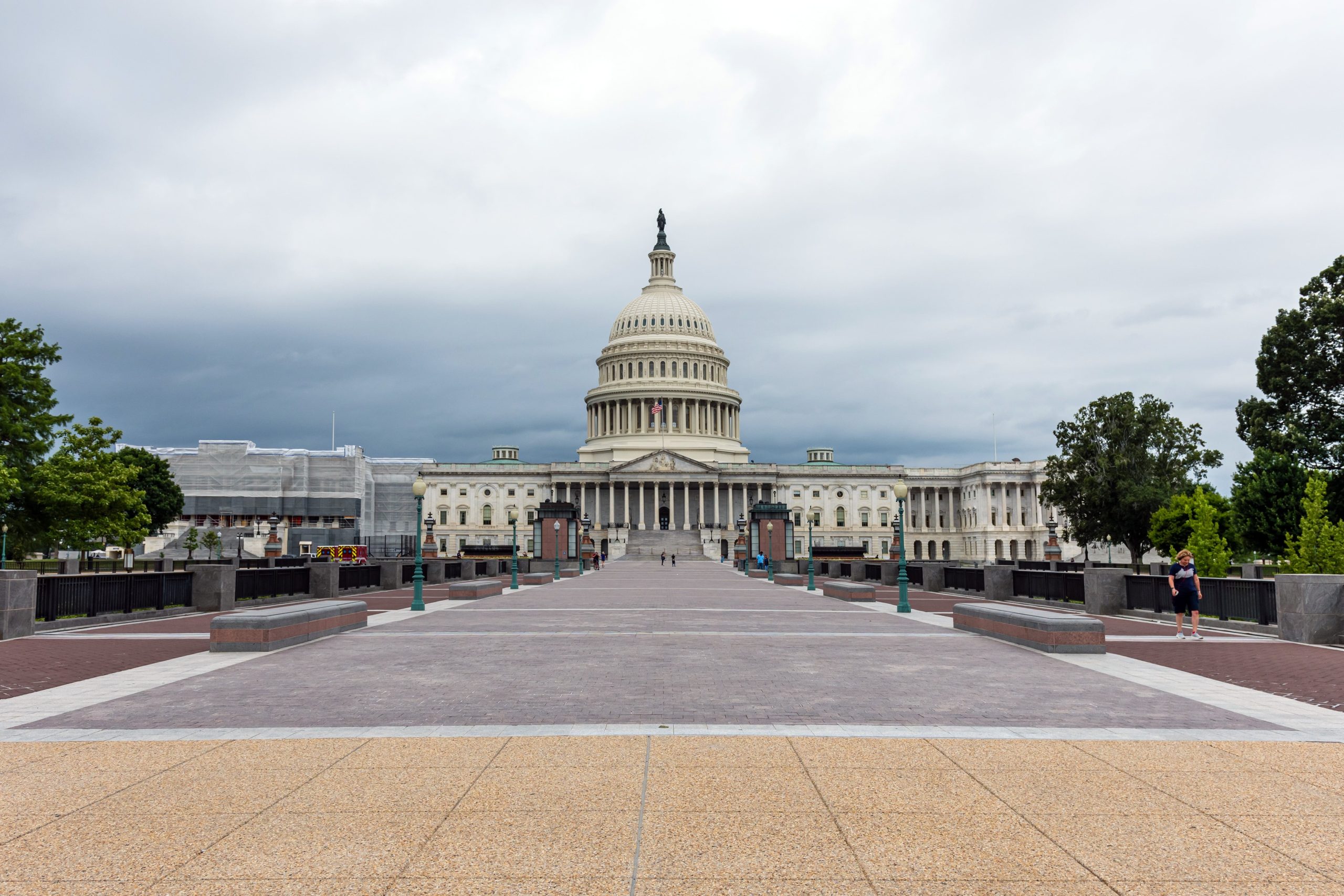
The United States Treasury is flying blind. As of this morning, November 07, 2025, the federal government shutdown has entered its 38th day, officially surpassing the 2018-2019 record to become the longest funding lapse in American history. For traders, the immediate crisis is not just the shuttered national parks or the 900,000 furloughed workers. It is the total evaporation of the economic data pipeline that the Federal Reserve and global markets rely on for price discovery.
The Great Economic Data Blackout
Wall Street is operating in a vacuum. The Bureau of Labor Statistics (BLS) has indefinitely postponed the October Employment Situation report, and the Bureau of Economic Analysis (BEA) has frozen the second estimate for Q3 GDP. Without these anchor points, volatility has decoupled from traditional fundamentals. Institutional desks are now forced to rely on high-frequency alternative data—satellite imagery of retail parking lots, private payroll processors, and credit card swipe metrics—to guess at the health of the consumer.
According to Reuters, the lack of official CPI and jobs data has left the Federal Reserve in a precarious position ahead of its December meeting. The probability of a 25-basis point cut has fluctuated wildly between 45% and 80% this week as fixed-income traders attempt to price in a recession that may already be happening behind the veil of the shutdown. The ADP National Employment Report, one of the few private signals remaining, indicated that private sector companies shed nearly 10,000 jobs in October, suggesting a significant cooling that official government reports cannot yet confirm.
Yield Curves and Credit Warnings
The bond market is telegraphing exhaustion. The 10-year Treasury yield, which touched 4.92% in mid-October, has eased to 4.19% as of November 6. This is not a sign of confidence, but a flight to the relative safety of duration as fiscal gridlock persists. The term premium is rising. Investors are demanding more compensation to hold American debt as the political process remains fractured.
Moody’s Ratings, which downgraded the U.S. sovereign credit rating to Aa1 back in May 2025, issued a credit outlook on November 3 warning that the ongoing impasse is credit-negative for state and local governments. The risk is no longer theoretical. Supplemental Nutrition Assistance Program (SNAP) funding was only maintained through an emergency court order on November 1, narrowly avoiding a total lapse in benefits for millions of households. This level of institutional fragility is unprecedented for a G7 economy.
Comparative Impact: 2018 vs. 2025
| Metric | 2018-2019 Shutdown | 2025 Current Shutdown |
|---|---|---|
| Duration (Days) | 35 | 38 (Active) |
| Furloughed Workers | 800,000 | 900,000 |
| Gold Price (Avg) | $1,290 | $4,111 |
| S&P 500 Trend | Initial Drop, Late Recovery | Late-Cycle Volatility Spike |
| 10Y Yield Response | Declined 20bps | Flattening Curve |
The Gold Breakout to 4100
Gold has finally shed its correlation with real yields. In a typical environment, a 4% yield on the 10-year Treasury would suppress non-interest-bearing assets. Instead, spot gold breached the psychological $4,000 barrier last week and is currently trading at $4,111 per ounce. The metal is no longer just an inflation hedge; it is a direct bet against the solvency and stability of the U.S. political system.
Central banks in the Global South have accelerated their diversification away from the dollar, a trend intensified by the current paralysis in Washington. As the shutdown drags on, the dollar’s status as the undisputed reserve currency is being tested by the very institution that issues it. Traders are moving into bullion not as a speculative play, but as a survival mechanism against a potential technical default if the debt limit suspension—currently set to expire in early 2026—is not addressed alongside the funding bill.
The Equity Mirage
On the surface, equity markets appear resilient. The S&P 500 closed yesterday at 6,840, buoyed by a 20% year-over-year growth in cloud services and AI infrastructure spending. However, the internals tell a different story. Market breadth is narrowing. While the “Magnificent 7” continue to drag the indices higher, the Russell 2000—comprised of smaller, domestic-focused firms—has shed 6% since the shutdown began. These companies do not have the balance sheets to withstand a sustained freeze in government contracts or the disruption of SBA loan processing.
As reported by Bloomberg, the airline sector is particularly vulnerable. With TSA agents and air traffic controllers missing their second paycheck of the cycle today, November 7, operational failures at major hubs like Hartsfield-Jackson and O’Hare are imminent. Delta and United have already warned of a 1.5% hit to Q4 margins if travel remains disrupted through the Thanksgiving holiday. The market is pricing in the policy, but it has not yet priced in the physical breakdown of infrastructure.
The current impasse will eventually break, likely under the pressure of the November 7 congressional recess deadline and the rising public outcry over travel safety. However, the damage to institutional trust is permanent. Investors must now factor in a “political dysfunction premium” that was once reserved for emerging markets. The next critical date to watch is January 30, 2026, when the current proposed continuing resolution expires. If the structural deficit is not addressed by then, the 10-year Treasury yield will likely test the 5.5% level as the market finally demands a higher price for American fiscal instability.