The Unsustainable Cost of Corporate Silence
Corporate profit margins reached a historic peak of 13.1% in the third quarter of 2025, but this record masks a structural decay. Speaking yesterday at the Bloomberg New Economy Forum in Singapore, Goldman Sachs President John Waldron issued a blunt warning: the current stability is an illusion maintained by margin absorption. Since the implementation of 25% tariffs on imports from Mexico and Canada and 10% on Chinese goods on February 1, 2025, American firms have largely avoided passing costs to a fragile consumer base. According to Waldron, this internalizing of trade costs is reaching a breaking point.
The Math of Compression
The technical mechanism of this squeeze is visible in the divergence between the Producer Price Index (PPI) and the Consumer Price Index (CPI). Per the October CPI report released on November 13, headline inflation held at 3.0% year over year. However, internal corporate data suggests that the effective tariff rate has surged from 2.4% in early 2024 to 16.8% today. For a company like Apple (AAPL), which reported a net profit margin of 24.3% this month, the impact is a direct 210 basis point hit compared to the 26.4% margin seen in late 2024. Apple is currently trading at 40.2x earnings, a massive premium compared to the global tech average of 23.9x, suggesting that the market has not yet priced in the inevitable shift from absorption to pass-through inflation.
Sector Resilience and the Yield Curve Drag
The 10-year Treasury yield is currently hovering at 4.10%, up from 3.97% just 30 days ago. This rising cost of capital interacts violently with trade-related cost increases. In the consumer staples sector, Procter & Gamble (PG) has mitigated some damage through $2.6 billion in productivity savings. However, their core operating margin has still faced an 80 basis point headwind from currency and commodity volatility. Conversely, the energy sector has emerged as a tactical winner. ExxonMobil (XOM) has benefited from the 25% levy on Canadian and Mexican crude, which effectively subsidized domestic production. CEO Darren Woods recently highlighted that XOM is targeting a $30/barrel break-even point by 2030, but the immediate 2025 rally is largely a function of protected domestic refining margins.
The Quantitative Disconnect
The following table illustrates the divergence in margin health across the three pillars of the current S&P 500 rally. While FactSet data from November 17 confirms the S&P 500 is reporting its highest net profit margin since 2009, the underlying health of those margins varies wildly by sector exposure to global supply chains.
| Ticker | TTM Net Margin (%) | YoY Delta (bps) | Price/Earnings (P/E) | 2026 Price Target |
|---|---|---|---|---|
| AAPL | 24.3 | -210 | 40.2x | $235.00 |
| PG | 22.3 | -50 | 26.8x | $162.00 |
| XOM | 11.2 | +140 | 14.2x | $124.00 |
Waldron emphasized that the “insurance policy” companies are paying for supply chain resilience is inflationary by nature. Inventories are being kept at higher, less efficient levels. This is a deliberate shift from the “just-in-time” efficiency that drove the 5.85% average margin era of 1989-2015. Today, companies are prioritizing security over cost, but they cannot do so indefinitely without a workforce reckoning. Waldron predicts that 2026 will be defined by corporate layoffs as firms finally move to protect their bottom lines from the cumulative weight of these 16.8% effective tariff rates.
Monitoring the 2026 Pivot
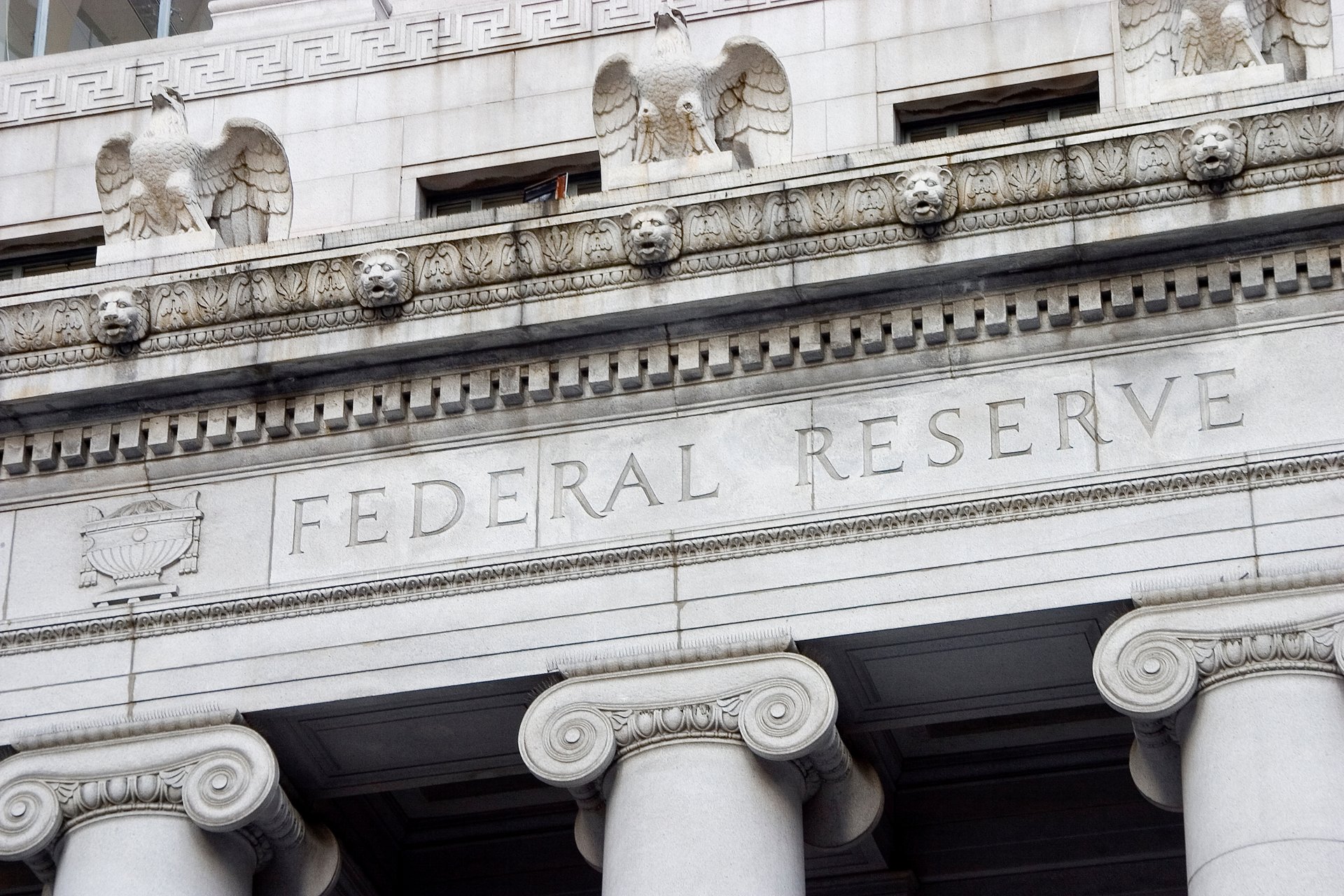
The Federal Reserve is currently operating in a statistical vacuum. The 43-day government shutdown that ended earlier this month delayed the release of critical October retail sales and employment data. Without these metrics, the Fed’s decision-making process for the December meeting is clouded. Investors must watch the Q4 2025 earnings calls in January for a specific data point: the “Pass-Through Ratio.” If management teams shift their narrative from “absorbing costs” to “pricing actions,” it will signal the end of the margin-driven rally and the start of a second, more stubborn wave of inflation. The first major indicator of this shift will be the January 15 release of the December PPI, which is expected to show if wholesale costs have finally breached the corporate dam.