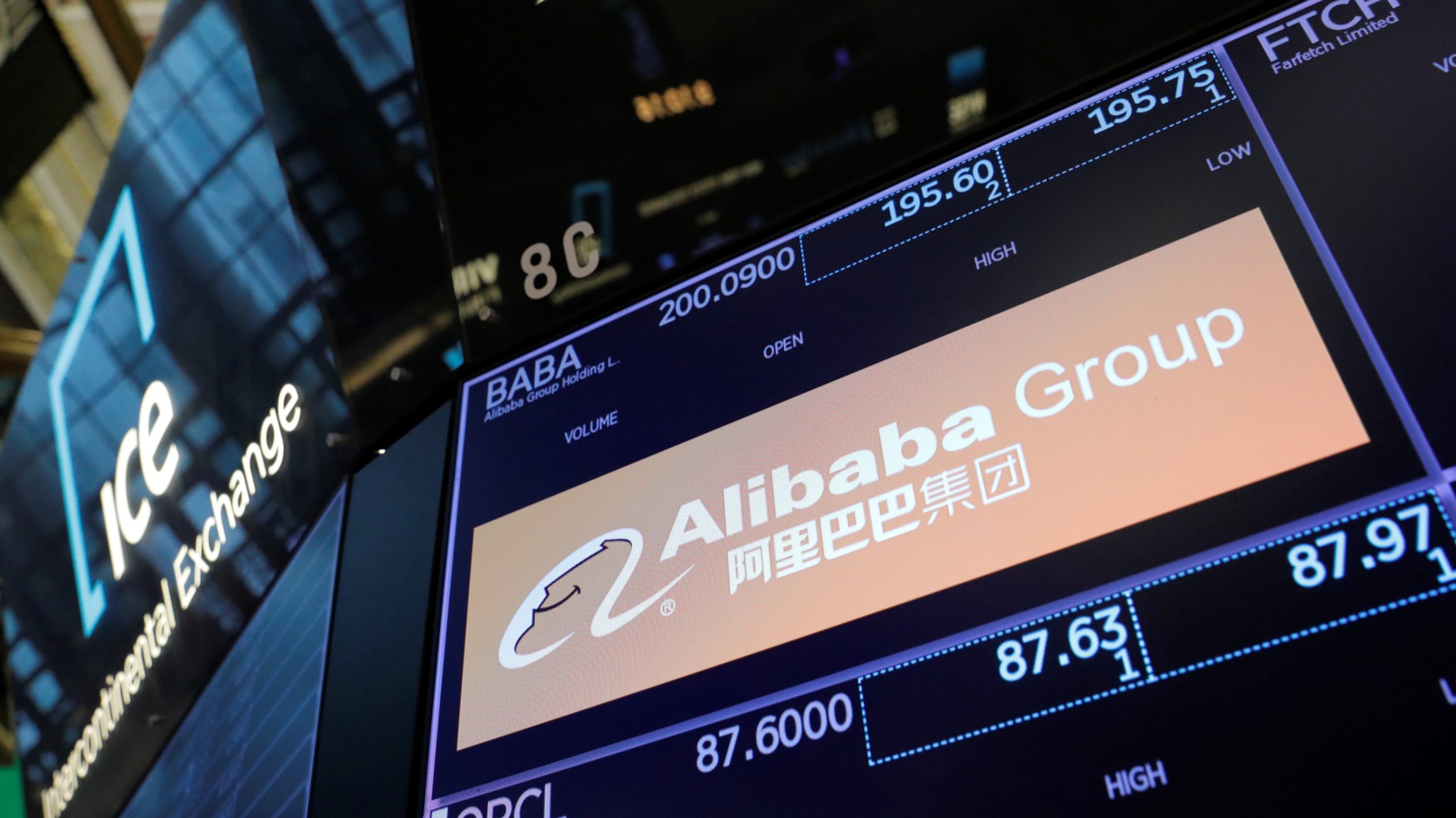
The financial markets are constantly in flux, reacting to a myriad of economic indicators and geopolitical events. Recent trends suggest a heightened sensitivity to central bank policies, inflation data, and global economic performance, which could offer insights for traders and investors alike.
Central Bank Policies Drive Market Sentiment
The actions and statements of central banks have a profound impact on market behavior. For instance, the Federal Reserve’s recent decision to maintain interest rates has led to a bullish sentiment in equity markets. Analysts argue that this approach signals a commitment to supporting economic recovery, which is particularly crucial in the wake of persistent inflationary pressures.
This sentiment is echoed in the performance of major indices. The S&P 500, for instance, has shown resilience, climbing steadily as investors factor in the central bank’s stance. Meanwhile, sectors such as technology and consumer discretionary have outperformed, reflecting investor confidence in growth potential.
Inflation Trends and Their Implications
Inflation data continues to be a key focus for market participants. Recent reports indicate that inflation rates are stabilizing, albeit at elevated levels. This stabilization has prompted some analysts to speculate that the peak inflation period may be behind us, leading to a more favorable environment for equities.
However, caution is warranted. Despite signs of moderation, inflation remains a critical concern, particularly as supply chain disruptions persist. Investors are advised to monitor inflation metrics closely as they will likely influence central bank decisions moving forward.
Geopolitical Developments Impacting Markets
Global geopolitical tensions also play a significant role in shaping market dynamics. Recent developments in Eastern Europe and Asia have led to increased volatility, particularly in energy markets. For example, fluctuations in oil prices have been directly tied to geopolitical events, impacting sectors reliant on energy inputs.
Traders should remain vigilant regarding these developments, as they can lead to sudden shifts in market sentiment. The potential for sanctions or trade disruptions can create both risks and opportunities, depending on the sector and asset class involved.
Sector Performance: A Mixed Bag
As the market reacts to these economic indicators, sector performance has been varied. The technology sector, buoyed by strong earnings reports from major players like Apple and Microsoft, has seen significant inflows. Conversely, the energy sector has faced headwinds due to fluctuating oil prices and regulatory pressures.
Investors should consider sector rotation strategies as they assess where to allocate capital. Diversification across sectors can mitigate risks associated with market volatility and sector-specific downturns.
Cryptocurrency Market Trends
The cryptocurrency market remains highly speculative, with volatility continuing to be a defining characteristic. Recent regulatory developments in major economies have led to fluctuations in the prices of cryptocurrencies like Bitcoin and Ethereum. Market analysts are divided on the future trajectory of cryptocurrencies, with some advocating for their potential as a hedge against inflation, while others caution against the risks of overvaluation.
For traders, understanding the underlying factors driving cryptocurrency prices is essential. Monitoring regulatory news and market sentiment can provide insights into potential price movements.
Global Economic Performance: A Broader Perspective
Lastly, global economic performance is paramount in shaping market expectations. Recent data suggests that while developed economies are recovering, emerging markets face more significant challenges. The disparity in recovery rates could lead to shifts in capital flows, affecting currency valuations and investment strategies.
Investors should consider the implications of divergent growth rates when making portfolio decisions. Emerging markets may present opportunities, but they also carry heightened risks due to economic instability and currency fluctuations.
In summary, the interplay of central bank policies, inflation trends, geopolitical developments, and sector performance is crucial for understanding current market dynamics. As traders and investors navigate this complex landscape, a data-driven approach will be essential in making informed decisions. The debate over the sustainability of market trends continues, underscoring the need for ongoing analysis and vigilance.