The Era of Five Percent Cash is Dead
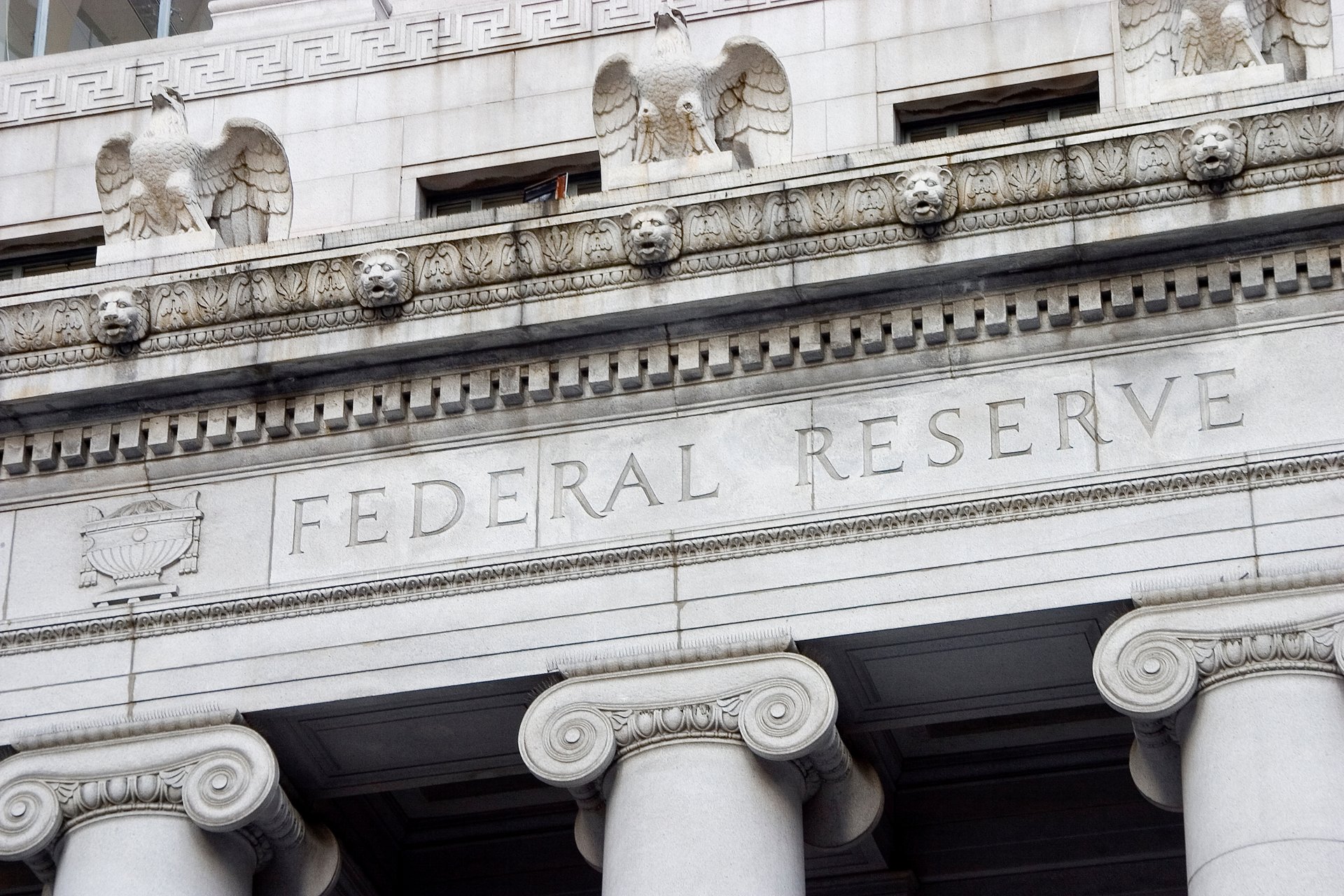
Cash is a ticking clock. For much of 2024 and early 2025, investors enjoyed the luxury of 5 percent money market yields with zero duration risk. That luxury evaporated on December 10, 2025, when the Federal Reserve delivered its third consecutive interest rate cut, lowering the target range to 3.50 percent to 3.75 percent. The pivot is no longer a forecast, it is a recorded history. Investors who remain parked in cash are now actively losing the opportunity to lock in generational yields before the 2026 easing cycle accelerates.
As of December 24, 2025, the market is grappling with a stark divergence. While the Fed is cutting, inflation remains stubbornly fixed at a 2.8 percent annual rate, according to the latest Reuters reports on holiday PCE trends. This has created a unique window where real rates are positive, but the window is closing as the yield curve begins to steepen. The 10-year Treasury yield, which stood at 4.15 percent this morning, is flashing a signal that the ‘belly’ of the curve is the new battleground for total return.
Lindsay Rosner and the Case for the Agg
Lindsay Rosner, Head of Multi-Sector Investing at Goldman Sachs, has moved from a stance of cautious duration to an aggressive embrace of the Bloomberg US Aggregate Bond Index, often referred to as ‘The A.’ In her December strategy session, Rosner highlighted a critical data point: the yield-to-worst on the Agg is currently 4.33 percent with a duration of roughly six years. This is the base case for 2026.
Rosner’s contrarian pick is not just long-dated Treasuries. She is targeting structured credit and BB-rated corporate bonds that are currently behaving with investment-grade resilience. The logic is simple. If the economy achieves the soft landing the Fed is engineering, credit spreads will tighten further from their already historic lows. If the economy falters, the six-year duration provides a price appreciation cushion that cash simply cannot match. Per the latest Bloomberg market data, the spread on investment-grade corporates has narrowed to just 85 basis points over Treasuries, yet the all-in yield remains attractive due to the elevated base rate.
The 9 to 3 Dissent and the Inflation Ghost
The Federal Open Market Committee is no longer a monolith. The December 10 vote was a fractured 9 to 3, an unusual level of discord that investigative analysts must not ignore. While the majority supported the 25-basis-point cut, two hawks voted for a pause, citing tariff-induced price pressures. Conversely, one dove pushed for a 50-basis-point cut to save a softening labor market. This internal friction means the ‘path’ for 2026 will be volatile and data-dependent.
For the bond investor, this friction creates a ‘term premium’ risk. Long-dated bonds (20 to 30 years) are seeing their yields rise marginally even as short-term rates fall. This is a classic bear-steepening move. Investors are demanding more compensation for the uncertainty of the next decade. This is why the Goldman Sachs strategy emphasizes the five to seven-year range, which captures the bulk of the yield without the extreme sensitivity to the long-end fiscal deficit noise.
Fixed Income Yield Comparison as of December 24, 2025
| Asset Class | Current Yield | Duration (Yrs) | 2026 Outlook |
|---|---|---|---|
| US 10-Year Treasury | 4.15% | 8.2 | Bullish/Neutral |
| Bloomberg US Agg | 4.33% | 6.1 | Strong Buy |
| IG Corporate Bonds | 5.12% | 6.8 | Overweight |
| High Yield (BB Rated) | 6.45% | 4.2 | Selective Alpha |
The Securitized Edge in a Soft Landing
Securitized credit remains the hidden engine of the Rosner strategy. Agency Mortgage-Backed Securities (MBS) are currently offering spreads that look attractive relative to corporate credit, primarily because the housing market remains supply-constrained. As the Fed eases, the refinancing wave that many feared in 2024 has not materialized, keeping prepayment risk manageable. This provides a clean ‘carry’ play for institutional allocators.
The technical mechanism here is the stabilization of the ‘R-star’ or the neutral rate of interest. If the neutral rate is higher than it was in the pre-pandemic era, then the current 4.15 percent on the 10-year is not just a temporary spike but a fair-value anchor. This allows for a more predictable reinvestment strategy. The math is unyielding: the income component of total return has returned to its historical role as the primary driver of bond performance, replacing the capital gains speculation of the zero-interest-rate years.
The next critical milestone for the bond market occurs on January 28, 2026, when the Federal Reserve holds its first meeting of the new year. Investors should watch the 2-year Treasury yield, currently at 3.85 percent, for any breach of the 3.75 percent level. Such a move would signal that the market is pricing in a faster-than-expected descent to a 3 percent terminal rate, potentially sparking a massive re-allocation from cash into intermediate-duration funds.