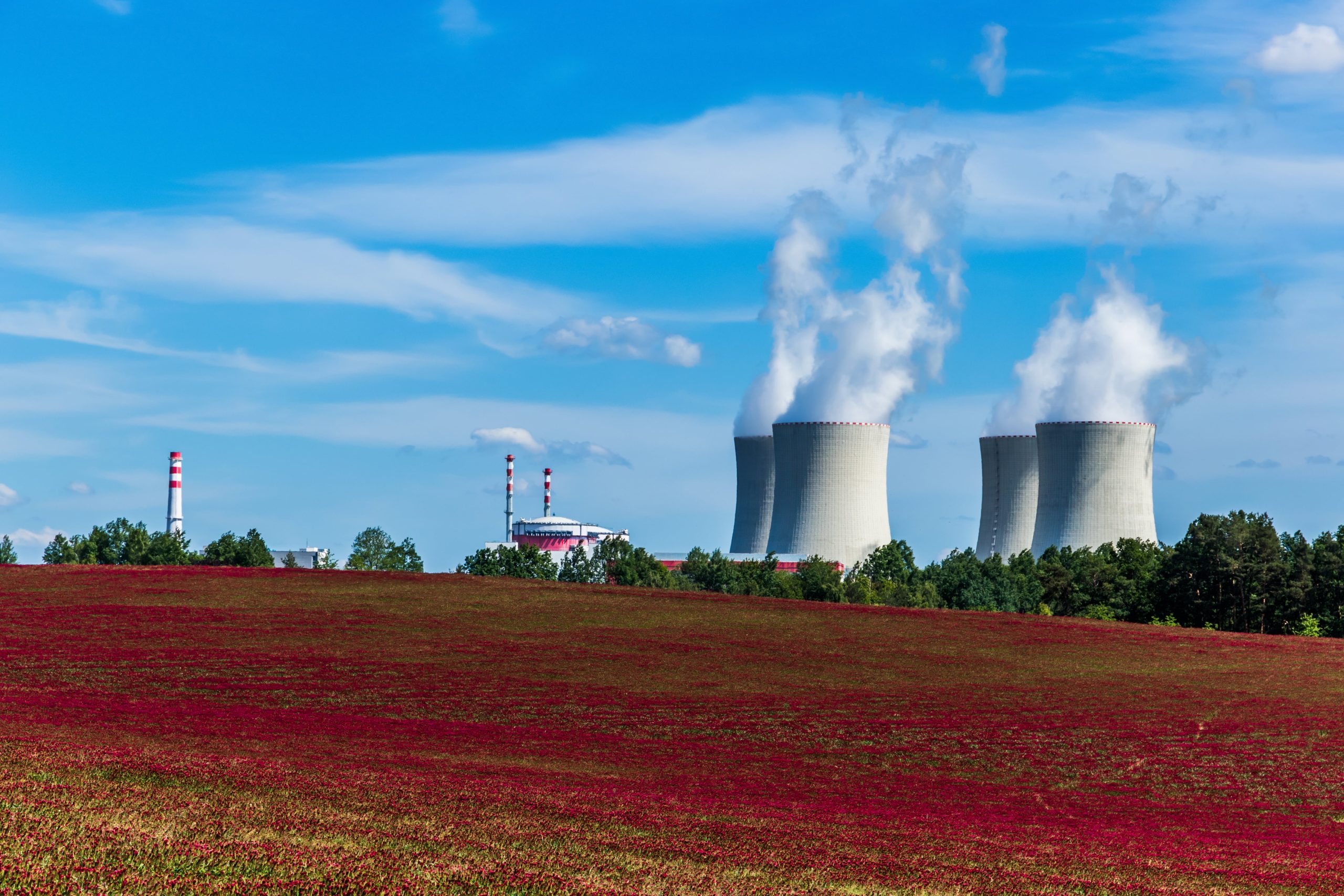
The bill has finally arrived. As of December 1, 2025, millions of British households and small businesses began paying the first mandatory nuclear levy on their electricity statements. This is the reality of the Regulated Asset Base (RAB) model in action. It is no longer a theoretical policy discussion. It is a line item on a newsagent’s invoice. While the government heralds a new golden age of energy, the data from the last 48 hours paints a far more complex picture of a nation tethered to the most expensive construction projects in human history.
Billions spent for zero watts
Hinkley Point C is now estimated to cost £48 billion in today’s values. That is a staggering jump from the original £18 billion budget. Construction has slowed. The first reactor is not expected to breathe life into the grid until 2030 or 2031. Per the latest project audit, the site has been plagued by over 7,000 required design changes to meet uniquely British regulations. We are building a replica of a French reactor that requires 35% more steel and 25% more concrete than the original design. This is the price of regulatory divergence.
The numbers are brutal. In 2025, nuclear power output in the UK hit a 50 year low, accounting for just 11% of the total mix. Meanwhile, renewables surged to 47%. The gap is being filled by expensive gas and interconnectors from the continent. We are paying for the future while struggling to survive the present.
The Sizewell gamble and the RAB model
In July 2025, the Energy Secretary signed the Final Investment Decision (FID) for Sizewell C. The price tag is £38 billion. The government now owns 44.9% of the project, making the British taxpayer the primary equity holder in a nuclear plant for the first time in decades. Unlike Hinkley, which was funded by EDF and Chinese state capital, Sizewell C uses the RAB model. This means you pay while they build.
Industry analysts at Bloomberg note that the nuclear levy will cost the average small business roughly £100 per year starting this month. For energy intensive industries, the costs could reach thousands. The logic is that by paying upfront, the cost of capital is lowered, potentially saving £2 billion a year once the plant is operational in the 2040s. It is a bet on the long game while the short game is drowning in inflation.
UK Nuclear Project Status as of December 2025
| Project | Estimated Cost | Operational Date | Status |
|---|---|---|---|
| Hinkley Point C | £48 Billion | 2030-2031 | Unit 1 Dome Installed |
| Sizewell C | £38 Billion | 2037-2040 | FID Signed July 2025 |
| Wylfa SMR | £2.5 Billion (Pilot) | 2034-2035 | Rolls-Royce Selected |
The Rolls Royce Pivot
Small Modular Reactors (SMRs) are the new hope. In June 2025, Rolls-Royce SMR was declared the winner of the Great British Nuclear competition. The government has committed to building three units at Wylfa in Anglesey. These reactors are designed to be built in factories, not in muddy Somerset fields. The goal is to avoid the bespoke engineering nightmares that have crippled Hinkley.
The technical mechanism is simple. By using a standardized Pressurised Water Reactor (PWR) design and manufacturing 90% of the components in a controlled factory environment, Rolls-Royce aims for a strike price of £75/MWh. Compare that to Hinkley’s inflation linked strike price, which has now ballooned to approximately £190/MWh. If the SMR model works, it renders the gigawatt-scale behemoths obsolete. If it fails, we have spent another £2.5 billion on a prototype that arrived a decade too late.
The regulatory environment remains the primary bottleneck. A taskforce report released on November 24, 2025, labeled the UK as the most expensive place on Earth to build nuclear power. It called for a radical reset of the planning and safety rules that currently allow a single local objection to delay a multi-billion pound project for years. The government has promised to implement these changes, but for projects like Hinkley, the damage is already baked into the balance sheet.
The next major data point for the sector will arrive in March 2026. This is when the government will award the owner-engineer framework contracts for the first SMR fleet. This milestone will determine whether Great British Energy Nuclear can actually deliver on its promise of a factory-built future or if we are simply adding more layers of bureaucracy to an already failing system. Watch the Wylfa site allocation closely. If the ground isn’t broken by the end of next year, the 24GW by 2050 target is a fantasy.