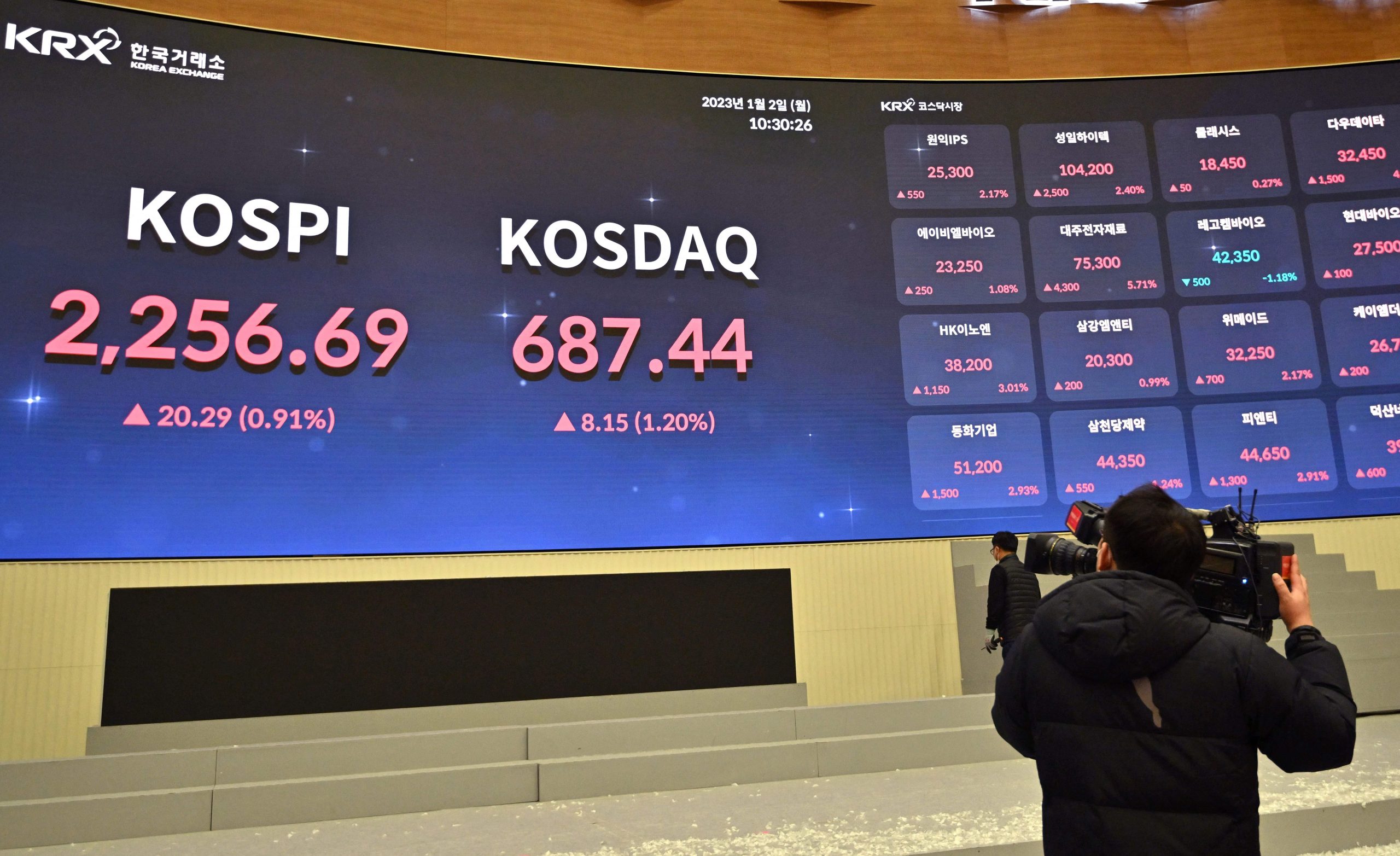
The geopolitical architecture of the Pacific corridor underwent a profound shift in the 48 hours preceding October 28, 2025. While the broader market indices—the S&P 500 and the Nasdaq Composite—rallied on news of a localized trade truce, the underlying macro-economic data suggests a far more complex recalibration than a simple return to risk-on sentiment. The consensus among institutional desks in London and New York is that we are witnessing the ‘Shanghai Protocol,’ a tactical pause in the bilateral trade war intended to stabilize supply chains before the 2026 fiscal cycle begins.
The Mechanics of the October Detente
As of this morning, October 28, 2025, the yield on the U.S. 10-year Treasury note has stabilized at 4.013 percent, a significant retracement from the 4.25 percent highs seen during the ‘tariff tantrum’ of early August. This stabilization follows the White House confirmation of a scheduled meeting between President Trump and Chinese leadership at the upcoming APEC summit. The immediate catalyst was a reciprocal gesture: the United States reduced the ‘fentanyl-linked’ tariffs from 20 percent to 10 percent, while Beijing simultaneously signaled a willingness to lift the draconian export restrictions on rare earth minerals that had paralyzed the global magnetics industry since April.
According to data compiled by Reuters Finance, the U.S. trade deficit with China, which stood at $295 billion in 2024, is projected to contract by nearly 12 percent by the end of the 2025 fiscal year. This contraction is less a result of organic demand shifts and more a byproduct of aggressive de-risking and the ‘China Plus One’ strategy now fully integrated into the operations of firms like Apple and Nvidia. The markets are pricing in a 99 percent probability that the Federal Open Market Committee (FOMC) will announce a 25-basis-point rate cut tomorrow, October 29, bringing the federal funds rate to a range of 3.75 to 4.00 percent.
Semiconductor Sovereignty and the 15 Percent Rule
The tech sector remains the primary theater of economic warfare. Nvidia CEO Jensen Huang’s recent comments at the CEO Summit indicate a tentative shift in the regulatory environment. Nvidia has reportedly reached an unprecedented agreement with the U.S. Department of Commerce to pay a 15 percent ‘sovereignty fee’ on all revenue generated from the sale of modified H20 chips within the Chinese mainland. This revenue share acts as a strategic compromise, allowing American firms to maintain a 12.5 percent revenue exposure to the Chinese market while funding domestic semiconductor research under the CHIPS Act.
Apple’s trajectory is more precarious. The iPhone 17 launch in China has been hampered by a lack of a domestic partner for its ‘Apple Intelligence’ platform. Per Bloomberg Markets, the hardware giant has seen a 5 percent decline in unit shipments in the Greater China region over the last quarter, as local competitors like Huawei and Xiaomi leverage integrated LLM (Large Language Model) ecosystems that bypass Western software restrictions. The ‘Shanghai Protocol’ provides Apple with a 12-month window to secure a local AI partner before the next round of software-centric export controls takes effect in mid-2026.
Comparative Macro Indicators: October 2025
The following table outlines the divergence between current market performance and the volatility seen during the Q2 tariff escalation.
| Indicator | August 2025 (Peak Tension) | October 28, 2025 (Detente) | Delta (%) |
|---|---|---|---|
| 10-Year Treasury Yield | 4.25% | 4.01% | -5.6% |
| S&P 500 Index | 5,420 | 5,890 | +8.6% |
| USD/CNY Exchange Rate | 7.32 | 7.24 | -1.1% |
| Rare Earth Index (Bilateral) | 142.4 | 118.9 | -16.5% |
The Logistics of Port Fees and Supply Chains
Despite the optimism, a new friction point emerged on October 28. Increased port fees on Chinese-owned and operated vessels entering the Port of Los Angeles and Port of Long Beach became effective today. While the White House has framed these fees as a ‘security levy’ to fund port automation, Beijing has already signaled a matching increase for U.S. commercial ships. This ‘war of fees’ is expected to raise consumer costs by 1.2 percent in the electronics and apparel sectors, potentially offsetting the disinflationary benefits of the 3.0 percent CPI print released last Friday.
Fixed income markets are closely watching the FOMC’s updated ‘dot plot’ projections. While the current 4 percent rate is restrictive, the softness in the labor market observed in the private sector data—necessitated by the ongoing government shutdown’s delay of official BLS reports—indicates that the Fed may be forced into a third consecutive cut in December. The liquidity injected by these cuts is fueling the equity rally, but institutional analysts warn that this is a ‘liquidity-driven’ rather than a ‘growth-driven’ bull market.
The geopolitical milestone to watch is the 2026 USMCA review. Historically insulated from the Pacific trade war, Mexico has seen its trade surplus with the U.S. grow to $172 billion as Chinese firms nearshore their manufacturing. If the October detente holds, it may paradoxically increase pressure on Mexico to align its tariff structure with the U.S. to prevent ‘transshipment’ of Chinese goods. This suggests that the current market optimism is a bridge to a more protectionist 2026, where the definition of ‘origin’ becomes the ultimate trade currency.