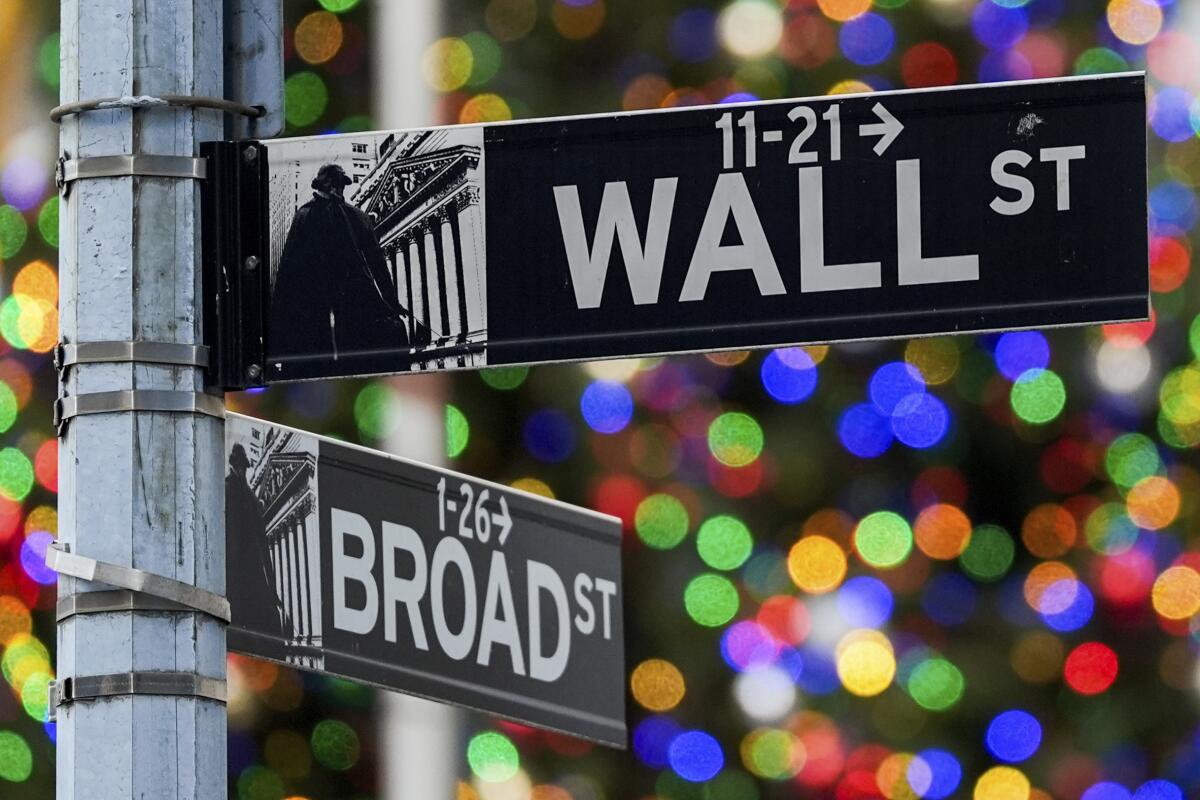
Wall Street Liquidity Buffers Are Evaporating
The floor collapsed. Brent crude breached $100. The Federal Reserve is officially boxed in. After a week of deceptive calm, the reality of a sustained energy-driven inflation spiral has finally punctured the market’s complacency. The S&P 500 fell 1.5 percent today, closing at 6,672.62. This was not a routine dip. This was a systematic liquidation of risk as the geopolitical premium for the conflict with Iran reached a breaking point. Institutional desks are no longer buying the dip. They are hedging for a crash.
Technical Breakdown and Mean Reversion
The narrative of a healthy correction is dead. For months, analysts pointed to the index trading well above its long-term trendlines. Yesterday, the market briefly touched its central mean trendline for the first time since September. That should have been the bounce point. It was not. Instead, the index sliced through support like a hot knife through butter. Per the latest market data from Reuters, the Dow Jones Industrial Average plummeted 739 points, a 1.6 percent decline that erased nearly three months of gains in a single session.
The technical damage is severe. We are seeing a classic ‘gamma flip’ where market makers are forced to sell into a falling market to remain delta-neutral. This creates a self-reinforcing feedback loop. When liquidity dries up at the top of the order book, price discovery becomes violent. Today’s price action suggests that the ‘Seeking Alpha’ warning of a selloff that is far from over is less a prediction and more a current reality. The volatility surface is skewing heavily toward puts as traders scramble for protection ahead of next week’s FOMC meeting.
S&P 500 Performance Decline (March 9-12)
The Inflationary Trap of $100 Oil
Energy is the ultimate tax on growth. Brent crude’s 9.2 percent spike to $100.46 per barrel has fundamentally altered the inflation outlook. While the February CPI report from the Bureau of Labor Statistics showed a headline rate of 2.4 percent, that data is now obsolete. It captures a pre-war economy. The current surge in gasoline prices, up nearly 20 percent in the last two weeks, will inevitably bleed into the March data. This puts Jerome Powell in an impossible position.
The market had been pricing in a rate cut for late 2026. Those hopes are evaporating. According to Bloomberg energy analysts, the risk of ‘stagflation’—stagnant growth coupled with high inflation—is at its highest level in decades. If the Fed holds rates steady at 3.5 to 3.75 percent next week, they risk letting inflation expectations unanchor. If they raise them to combat energy prices, they risk crushing a labor market that is already showing cracks, evidenced by today’s drop in nonfarm payroll expectations.
Sector Performance and Market Sentiment
The carnage was widespread, though some pockets of the market attempted to resist the gravity of the macro environment. Oracle managed a 10 percent jump yesterday on strong earnings, but even that ‘AI-fueled’ optimism was drowned out today. When the cost of capital rises alongside the cost of energy, the valuation multiples for growth stocks must contract. There is no escape from the math of the discounted cash flow model.
| Index / Asset | Closing Value (Mar 12) | Daily Change (%) | Weekly Trend |
|---|---|---|---|
| S&P 500 | 6,672.62 | -1.5% | Bearish |
| Dow Jones | 46,677.85 | -1.6% | Bearish |
| Nasdaq Composite | 22,311.98 | -1.8% | Bearish |
| Brent Crude Oil | $100.46 | +9.2% | Parabolic |
| 10-Year Treasury Yield | 4.26% | +0.05% | Rising |
Risk appetite has shifted from ‘FOMO’ to ‘FOGO’—Fear of Getting Out. The Russell 2000, often a bellwether for domestic economic health, fell 0.2 percent today, but it remains one of the few indices in positive territory for the year. This suggests that the pain is being felt most acutely in the large-cap names that have carried the market since 2024. The concentration risk that everyone ignored during the bull run has now become a liquidation risk.
Looking ahead, the next specific milestone is the March 18 FOMC policy statement. The market is currently assigning a 97 percent probability to a rate hold, but the real volatility will be found in the updated ‘dot plot’ and Powell’s commentary on the Iran-driven supply shock. Watch the 6,600 level on the S&P 500. If that support fails, the technical vacuum below could lead to a rapid descent toward the 6,450 mark before the end of the month.