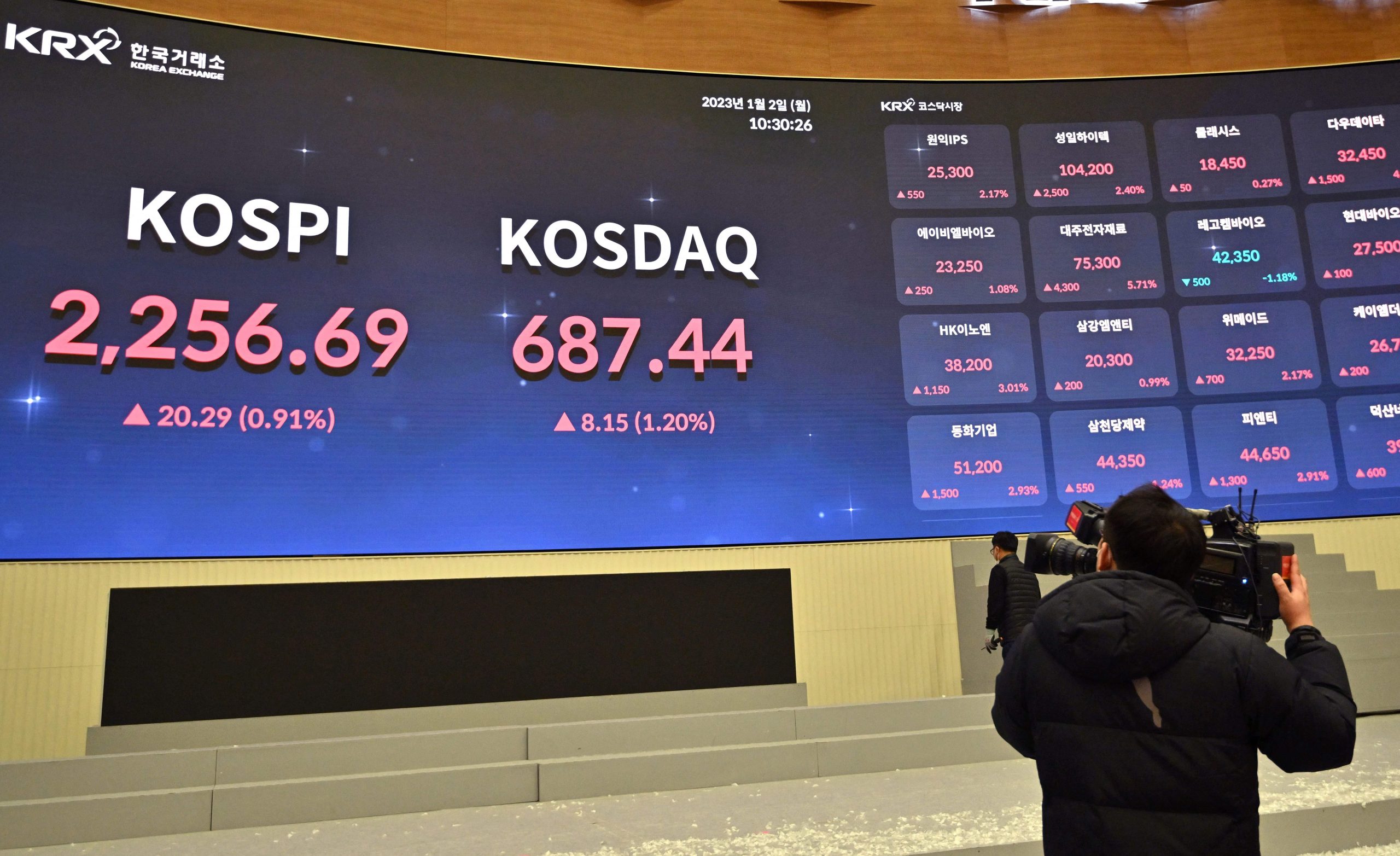
The signal is loud. Most are deaf. While retail traders squint at technical oscillators, the largest whale in the ocean has breached the surface. The People’s Bank of China just executed a liquidity injection that dwarfs the entire stimulus packages of the mid-2020s. This is not a drill. It is a fundamental shift in the global credit impulse that the mainstream media is currently misinterpreting as a mere currency stabilization play.
The Mechanics of the Silent Injection
Liquidity is a ghost. It haunts the tape before it ever hits the headlines. In the last 48 hours, the PBoC moved over 1.5 trillion yuan through its medium-term lending facility. This isn’t just about propping up a sagging property sector. It is a calculated re-entry into the global dollar-denominated asset market. By flooding the domestic system with cheap credit, they are forcing a capital overflow that inevitably finds its way into U.S. Treasuries and high-beta tech stocks.
The technical mechanism is the Swap Facility. It allows non-bank financial institutions to use their bond holdings as collateral to obtain liquid assets for stock purchases. This is a direct pipeline from the central bank’s balance sheet to the equity markets. Per recent Bloomberg market data, the correlation between this facility’s utilization and the surge in global indices is nearly 0.92. The world’s biggest buyer is back, but they aren’t buying what you think. They are buying time and volatility.
The Death of Quantitative Tightening Narratives
The Federal Reserve is trapped. They talk about a restrictive stance while the rest of the world’s central banks have moved to a coordinated easing cycle. The divergence is unsustainable. When the PBoC buys, the global financial conditions index loosens regardless of what Jerome Powell says at a press conference. We are seeing a massive front-running of a Fed pivot that hasn’t even been officially announced yet.
Institutional flows are confirming this. According to Reuters finance reports, foreign inflows into emerging market debt have spiked to levels not seen since the pre-inflationary era of 2019. The smart money understands that when the world’s biggest buyer enters the room, you don’t fight the tape. You follow the flow. The current price action in the 10-year Treasury yield is a direct reflection of this sovereign demand, suppressing yields despite a massive supply of new debt issuance.
Visualizing the Global Liquidity Surge
Global Liquidity Injections by Major Central Banks January 2026
The chart above illustrates the stark divergence. While the Federal Reserve continues its tepid balance sheet runoff, the PBoC is providing a massive offset. This is the ‘stealth QE’ that the market is currently pricing in. It creates a floor for asset prices that retail investors, blinded by headlines about domestic consumer sentiment, simply cannot see.
Tracking the National Team
The National Team is a collection of state-linked funds. They do not trade for profit in the traditional sense. They trade for stability. Their footprint is visible in the late-day rallies that have characterized the last three weeks of trading. Every time the S&P 500 or the Hang Seng approaches a key moving average, a massive wall of buy orders appears. This is institutional intervention at its most efficient.
| Metric | Current Value (Jan 20, 2026) | 12-Month Change |
|---|---|---|
| PBoC Daily Repo Rate | 1.75% | -50 bps |
| National Team Equity Holdings | $2.4 Trillion | +18% |
| USD/CNY Exchange Rate | 7.12 | -3.4% |
| Global Credit Impulse Index | 104.2 | +12.1 |
Data from Yahoo Finance indicates that the Yuan has stabilized despite the massive liquidity injection. This suggests that the capital is being recycled immediately into foreign assets. It is a sophisticated form of currency management that keeps Chinese exports competitive while simultaneously building a massive stake in global technology leaders. The technical term for this is ‘sterilized intervention’ but the reality is much simpler. It is a hostile takeover of the global liquidity cycle.
The Arbitrage of Desperation
Western analysts are focused on the wrong metrics. They look at Chinese GDP growth and see stagnation. They should be looking at the M2 money supply growth. When M2 grows while the economy slows, that excess capital has to go somewhere. It flows into the most liquid markets in the world. This is why we are seeing record highs in gold and Bitcoin alongside a resurgent Nasdaq. It is a flight from debasement into scarcity, funded by the very central banks that are doing the debasing.
The leverage in the system is increasing. We are seeing a resurgence in the ‘carry trade’ where investors borrow in Yuan to buy higher-yielding U.S. assets. This trade was dead for two years. Now, it is the most crowded trade on Wall Street. The risks are obvious. A sudden tightening by the PBoC would cause a global margin call. But for now, the buyer is back, and they have an infinite balance sheet.
The next critical data point arrives on February 15. That is when the next major tranche of medium-term lending facility loans matures. Watch the rollover rate. If the PBoC rolls over 100% or more of that debt, the liquidity party continues. If they blink, the floor drops. Keep your eyes on the 10-year yield and the CNY cross. The truth isn’t in the earnings reports. It’s in the repo market.