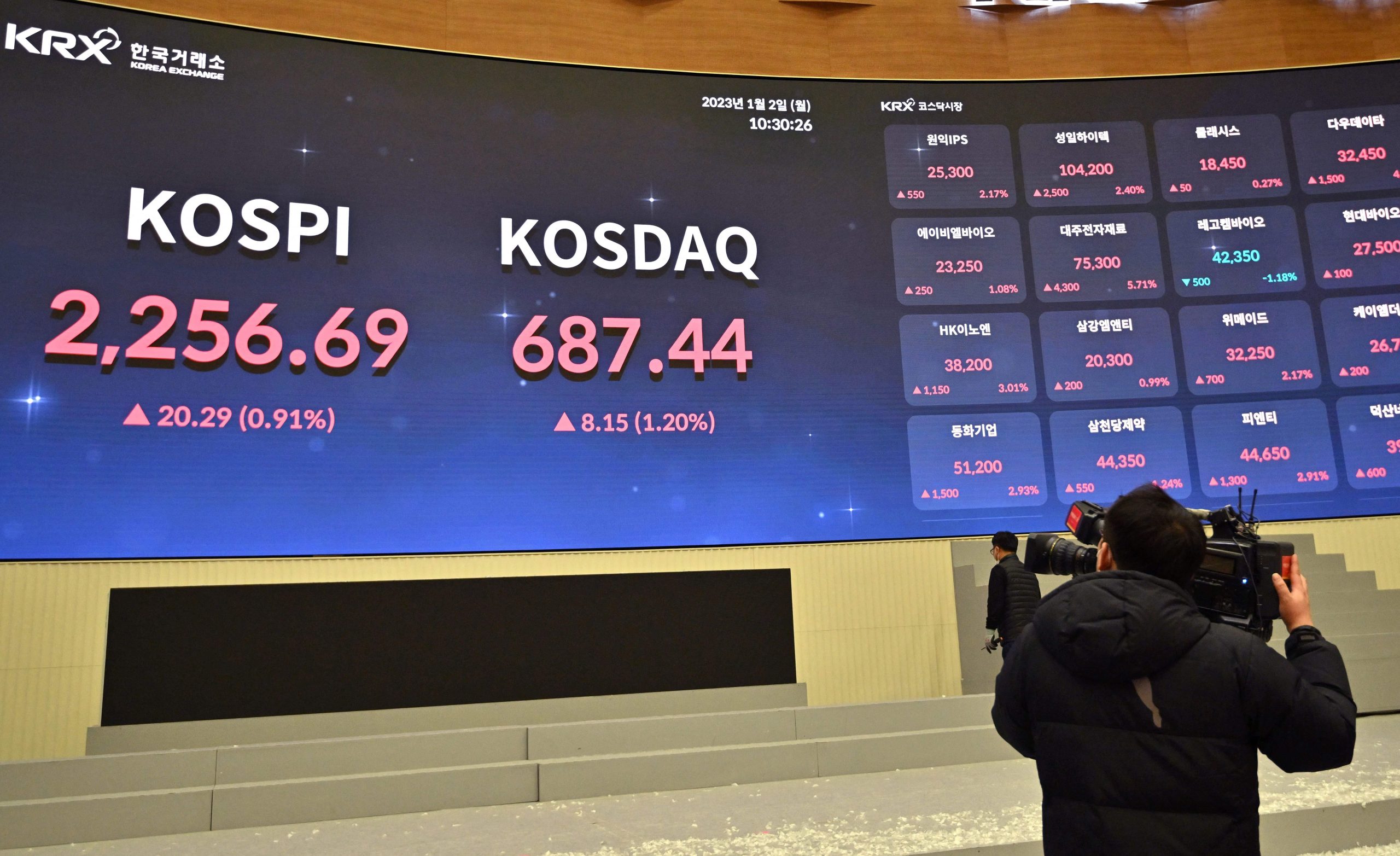
The index is screaming. Small-cap stocks just notched their seventh record high of the year. This is not a slow burn. It is a vertical ascent fueled by the sudden removal of a geopolitical chokehold. The Russell 2000 jumped 2 percent in a single session. The catalyst was a sharp reversal in trade policy regarding Greenland. Markets hate uncertainty but they love a pivot. When the administration signaled a U-turn on Greenland tariffs, the domestic manufacturing sector exhaled. This relief rally is now morphing into a structural breakout that leaves large-cap tech in the rearview mirror.
The Greenland Pivot and Domestic Relief
Trade policy is a blunt instrument. For months, the threat of tariffs on Greenlandic raw materials hung over the industrial heartland. Greenland is not just a frozen expanse. It is a critical node for rare earth elements and specialized minerals essential for high-tech domestic manufacturing. Small-cap firms lack the global supply chain flexibility of a multinational like Apple or Nvidia. They are tethered to specific corridors. When those corridors are threatened with 25 percent duties, the Russell 2000 suffocates. The reversal of this policy, reported early this morning, has effectively lowered the input cost floor for thousands of mid-sized American firms.
The reaction was instantaneous. Small-cap industrials and materials lead the charge. Per recent Reuters market data, the Russell 2000 has outperformed the S&P 500 by nearly 400 basis points since the start of the month. This is a rotation of historic proportions. Investors are fleeing the overextended valuations of the “Magnificent 7” to find value in the domestic undergrowth. The Greenland U-turn provided the fundamental excuse they needed to pull the trigger.
Russell 2000 Index Performance January 2026
Leverage and the Cost of Capital
Small caps are the most sensitive to interest rate expectations. Unlike their large-cap peers who hoarded cash during the low-rate era, small-cap companies are often heavily leveraged with floating-rate debt. The current rally suggests the market is pricing in a more dovish stance from the Federal Reserve. If trade tensions ease, inflationary pressures from imported materials subside. This gives the Fed room to breathe. The Russell 2000 is essentially a massive bet on the health of the American consumer and the stability of the credit markets.
Regional banks are the secondary beneficiaries. They hold the paper for these small-cap manufacturers. According to Bloomberg terminal data, the KBW Regional Banking Index is tracking the Russell 2000’s gains almost tick-for-tick. The fear of a wave of defaults in the industrial sector has evaporated overnight. Credit spreads are tightening. When the cost of capital drops, the net present value of these smaller, growth-oriented companies skyrockets. It is a feedback loop that is currently in overdrive.
The Mechanics of the Breakout
Technical resistance levels are falling like dominoes. The 2,450 mark was supposed to be a ceiling. It held for exactly three hours of trading before being obliterated. The volume behind this move is significant. This is not just retail speculation. Institutional money is rebalancing. For the last two years, the “passive” trade into market-cap-weighted indices meant that every dollar invested went disproportionately to the top five stocks. That trend is reversing.
| Index | January 1 Level | January 22 Level | Percentage Change |
|---|---|---|---|
| Russell 2000 | 2,310.45 | 2,512.18 | +8.73% |
| S&P 500 | 5,980.12 | 6,120.45 | +2.35% |
| Nasdaq 100 | 21,100.30 | 21,350.12 | +1.18% |
The table above illustrates the stark divergence. Small caps are outperforming the Nasdaq by a factor of seven. This is a violent re-rating. Analysts at major investment banks are scrambled. They are revising year-end targets that were surpassed in the first three weeks of January. The momentum is undeniable, but it is also fragile. It relies entirely on the administration’s new-found pragmatism regarding trade.
The Vulnerability of the Rally
Volatility is the shadow of growth. While the 2 percent jump is celebratory, the underlying cause is a political whim. A U-turn can be reversed again. Small-cap investors are currently dancing on a floor made of executive orders. If the Greenland tariff debate resurfaces or if the administration finds a new target for protectionist measures, the Russell 2000 will be the first to bleed. The index is a high-beta play on the geopolitical climate.
Furthermore, the “zombie company” problem has not vanished. Roughly 20 percent of the Russell 2000’s constituents do not generate enough profit to cover their interest payments. These companies are being dragged upward by the rising tide of the index, but their fundamentals remain broken. Investors are currently ignoring the balance sheets in favor of the macro narrative. This is a dangerous game. A rally built on trade policy relief can only go so far before the reality of earnings season takes hold.
The next data point to watch is the January 29 release of the fourth-quarter GDP figures. If the growth numbers confirm that the domestic economy is absorbing the previous year’s shocks, the Russell 2000 could see another leg up toward the 2,600 level. For now, the small-cap fever remains unbroken.