The physical limits of the digital gold rush
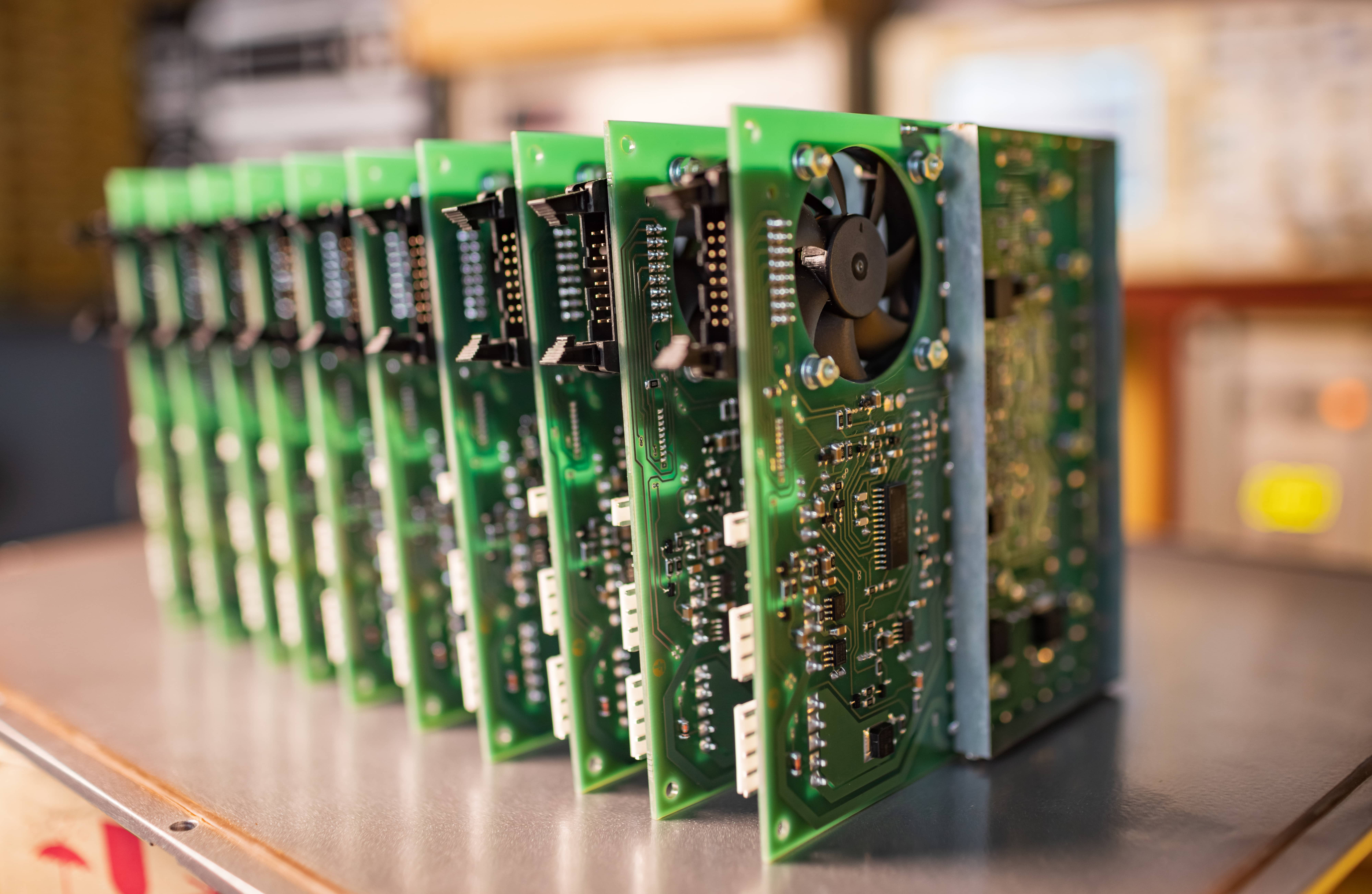
The chips are useless. Without power, they are expensive paperweights. The market obsesses over Nvidia Blackwell-Ultra shipment volumes. They ignore the transformer shortage. Wall Street remains fixated on the compute layer while the physical layer crumbles under the weight of 1,000-watt GPUs. As of March 14, 2026, the bottleneck has shifted from silicon availability to electrical capacity and thermal management. The tweet from Yahoo Finance today confirms what investigative audits have suggested for months. It takes more than a high-performance HBM3e chip to build a functional data center. It takes a massive, antiquated, and overstretched industrial backbone.
Compute density has hit a thermal wall. Air cooling is dead. The latest clusters require direct-to-chip liquid cooling systems that the current supply chain cannot produce at scale. We are seeing a divergence in equity performance. While Nvidia maintains its margins, the real alpha is migrating toward the ‘shovels’ of the infrastructure world. Companies like Vertiv and Schneider Electric are now the primary gatekeepers of AI expansion. Per recent Reuters reports on global supply chains, the lead time for high-voltage transformers has stretched to 140 weeks. You can buy the GPUs today. You will wait until 2028 to plug them in.
Data Center CAPEX Breakdown Q1 2026
The thermal wall and the liquid cooling mandate
Heat is the enemy of logic. The transition from 400W to 1,000W per socket has rendered traditional CRAC (Computer Room Air Conditioning) units obsolete. We are witnessing the forced adoption of Rear Door Heat Exchangers and immersion cooling. This is not a choice. It is a physical requirement. Investors who ignored the thermal dynamics of the GB200 architecture are now facing the reality of ‘stranded compute.’ This occurs when a firm owns the silicon but lacks the specialized plumbing to operate it at peak clock speeds. The technical mechanism is simple. If the junction temperature exceeds 85 degrees Celsius, the chip throttles. Your $40,000 investment suddenly performs like a $4,000 legacy card.
The copper squeeze is the next macro threat. Each new data center requires miles of high-purity copper cabling and busbars. According to the latest Bloomberg commodity index, copper prices have surged 22 percent since January. This is driven by the simultaneous electrification of the automotive sector and the AI build-out. The correlation between AI compute demand and copper spot prices is now 0.89. This is no longer a tech story. It is a hard-asset industrial crisis.
Gridlock at the transformer
The grid is full. In Northern Virginia and the Dublin corridor, utility providers have issued moratoriums on new high-density connections. The narrative of ‘limitless AI growth’ ignores the reality of the 1970s-era electrical grid. Hyperscalers are now forced to become their own utility providers. We see Microsoft and Amazon investing directly in small modular reactors (SMRs) and behind-the-meter natural gas generation. This vertical integration is a desperate move to bypass the regulatory sludge of grid interconnection queues. The SEC filings from major data center REITs show a massive spike in ‘energy security’ spending. This capital is not going toward innovation. It is going toward basic survival.
| Infrastructure Component | 2024 Lead Time (Weeks) | 2026 Lead Time (Weeks) | Price Inflation (YoY) |
|---|---|---|---|
| Nvidia B200 GPUs | 24 | 12 | -15% |
| Liquid Cooling Manifolds | 12 | 52 | +45% |
| Power Transformers | 50 | 140 | +80% |
| Backup Generators | 30 | 75 | +30% |
The market has mispriced the risk of the physical layer. The deflationary nature of silicon is being offset by the hyper-inflationary nature of infrastructure. When the cost of the shell exceeds the cost of the chips, the ROI calculations for AI labs must be rewritten. We are approaching that crossover point. The efficiency of the software is being negated by the inefficiency of the hardware environment. This is the silicon ceiling. It is hard, physical, and unforgiving.
The focus for the next quarter will be the June 2026 FERC ruling on regional transmission planning. This regulatory decision will determine if the United States can actually support the 300 gigawatts of new demand projected by 2030. Watch the 10-year yield on industrial utility bonds. That is the true barometer of the AI revolution, not the Nasdaq 100.