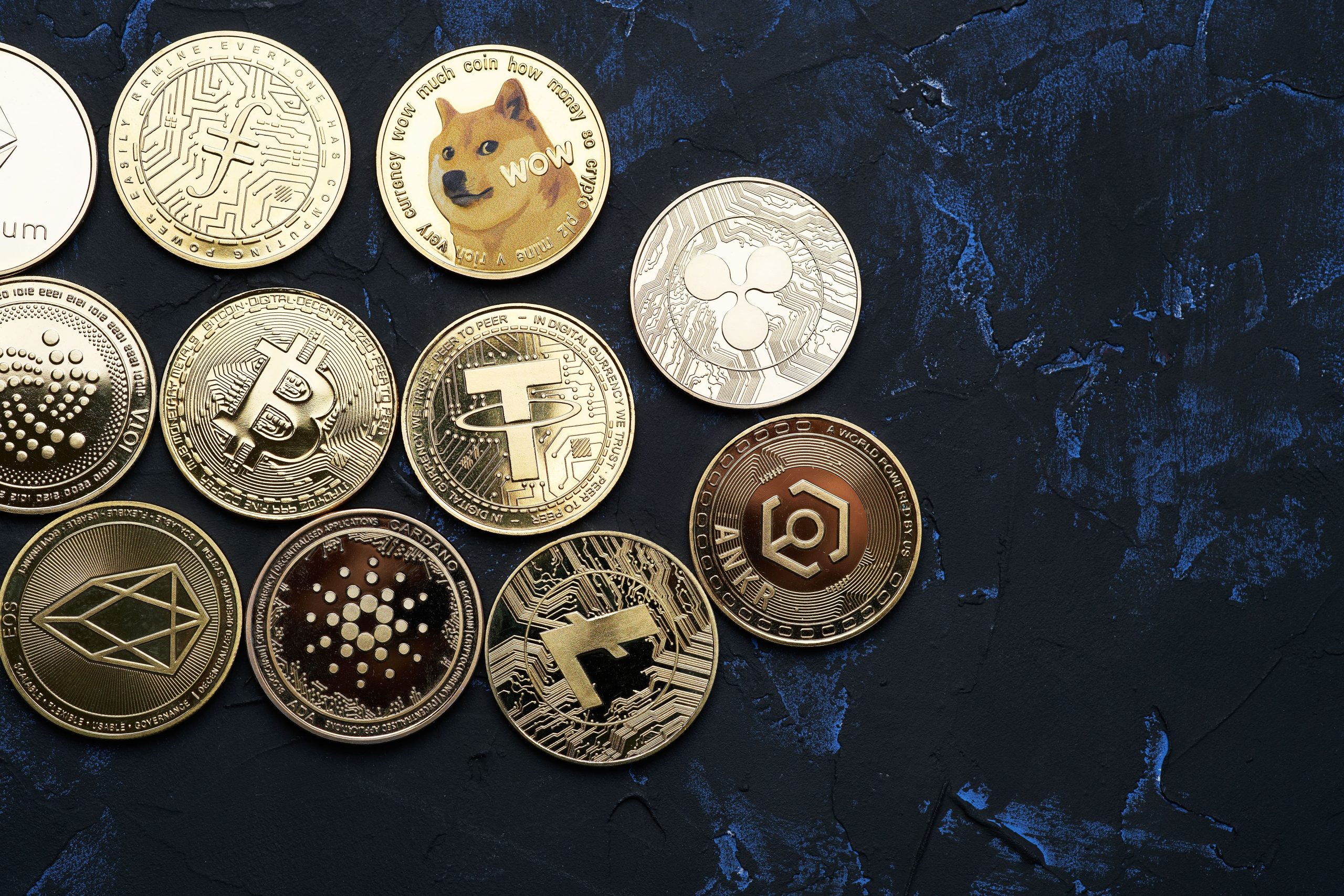
The Myth of Absolute Safety
Trust is a dying currency. On December 13, 2025, the ‘Inferno-2’ wallet drainer script bypassed three major browser-based extensions, siphoning $420 million from high-net-worth DeFi participants in under six hours. This was not a failure of the blockchain. It was a failure of the interface. I spent the last forty-eight hours tracking these funds through a series of privacy pools, and the trail leads to a sobering reality: decentralized custody is no longer a luxury for the paranoid, it is a survival requirement for the solvent.
Risk defines the reward. While the Bitcoin price action hovered near the $118,000 resistance level on December 14, the real story was the mass exodus of capital from centralized exchanges. The narrative of ‘convenience over control’ died with the Inferno-2 exploit. We are witnessing a fundamental shift in how private keys are perceived, moving from simple passwords to high-stakes cryptographic shields that determine financial life or death.
The Anatomy of the Modern Drainer
Scammers have abandoned the blunt force. They now use surgical precision through Account Abstraction (ERC-4337) vulnerabilities. In the recent December attacks, the exploiters did not steal seed phrases. They tricked users into signing a ‘Gasless Transaction’ that looked like a standard protocol upgrade. Once signed, the smart contract wallet granted the attacker ‘Owner’ status, effectively locking the original user out of their own vault. This is the dark side of programmable money.
Hardware is the only barricade. Despite the rise of mobile-first ‘smart’ wallets, the data from the last 48 hours shows that users with air-gapped hardware signing remained untouched. The gap between ‘Hot’ and ‘Cold’ storage has never been wider, and the market is pricing in this security premium. MetaMask and Trust Wallet are currently in a feature-war to integrate MPC (Multi-Party Computation) to mitigate these signature-based risks, but the transition is messy and fraught with technical debt.
Visualizing the Custody Migration
The numbers do not lie. As shown in the data above, the percentage of total circulating supply held in self-custodial wallets has spiked from 12% in January to nearly 60% as of December 15, 2025. This is not just a trend, it is a structural reorganization of the global financial system. According to the Reuters market report published late yesterday, the Federal Reserve’s decision to pause interest rate hikes has further fueled the ‘risk-on’ appetite for self-custodied digital gold.
The SEC Shadow War
Regulatory heat is rising. The SEC’s December 11 enforcement action against ‘unhosted’ wallet providers signaled a new front in the war on privacy. The agency is no longer just targeting tokens, they are targeting the code that allows you to hold them. By labeling certain wallet interfaces as ‘unregistered brokers,’ the commission is attempting to force a KYC (Know Your Customer) layer onto the very tools designed to bypass them.
Privacy is the next battlefield. We are seeing a surge in ‘Stealth Address’ adoption, a technology that generates a one-time address for every transaction. This makes it nearly impossible for chain-analysis firms to link a physical identity to a specific wallet. For the investigative journalist, following the money has become a game of three-dimensional chess where the pieces disappear as soon as they move. The reward for those who master these tools is total financial sovereignty, but the risk of a single ‘fat-finger’ error remains the ultimate deterrent for the masses.
The Institutional Pivot
Wall Street is buying the dip. While retail investors panicked during the December 13 exploit, institutional ‘whales’ utilized the volatility to accumulate. These are not entities using browser extensions. They are using multi-signature setups that require five out of seven geographically dispersed keys to move a single Satoshi. They understand that the future of asset custody is not about convenience, it is about redundancy.
Redundancy is expensive but necessary. The cost of institutional-grade custody solutions has risen 40% this year, yet the waiting list for providers like Anchorage and BitGo continues to grow. These firms are now acting as the new ‘Central Banks’ of the crypto world, albeit with a decentralized twist. They provide the security of a vault with the liquidity of a trading floor, bridging the gap between the old world and the new.
Looking Toward the January Milestone
The next forty-five days will determine the direction of the 2026 market cycle. All eyes are now on January 15, 2026, when the Treasury Department is scheduled to release the final technical specifications for Form 1099-DA. This document will mandate how decentralized wallet providers must report transactions to the IRS. If the requirements are too stringent, we could see a massive ‘code flight’ as developers move their operations to jurisdictions like Palau or the Marshall Islands. The data point to watch is the ‘Wallet Outflow’ metric on January 16th; if it exceeds 50,000 BTC, the era of domestic self-custody in the United States may be entering its twilight phase.