The trade war just blinked
The tariff gun is back in the holster. President Trump signaled a sudden retreat from his aggressive tariff schedule against European nations this afternoon. The catalyst was a handshake with NATO Secretary General Mark Rutte. Greenland remains the ultimate prize. Washington wants the island. Europe wants to keep its car industry alive. This is not a peace treaty. It is a tactical repositioning of leverage.
The announcement hit the wires at 3:14 PM ET. Markets reacted with violent precision. The Euro, which had been languishing under the threat of 20 percent baseline tariffs, spiked against the dollar. Traders are now pricing in a period of relative calm. However, the underlying tension remains unresolved. The “framework of a future deal” mentioned by the White House is light on specifics but heavy on geopolitical implications. It suggests a quid pro quo that links defense spending and Arctic sovereignty to trade access. This is the new mercantilism. Security is no longer a shared value. It is a commodity to be traded for market share.
The Rutte Framework and the Arctic Pivot
Mark Rutte has accomplished what many thought impossible. He bridged the gap between territorial ambition and trade protectionism. The framework reportedly involves increased European commitments to the GIUK gap defense. This maritime corridor between Greenland, Iceland, and the United Kingdom is the gateway to the North Atlantic. By securing European cooperation here, the U.S. gains de facto control over Arctic transit routes without the immediate need for a formal purchase of Greenland. According to reports from Reuters, the deal involves a massive surge in NATO-led infrastructure projects on the island.
The technical mechanism of this truce is a suspension of Section 232 investigations. These investigations were the primary weapon used to threaten European steel and automotive exports. By calling them off, the administration has provided a lifeline to the German industrial complex. But the price is high. Europe must now align its Arctic policy strictly with Washington. This effectively shuts out Chinese investment in Greenlandic mining operations. The battle for rare earth minerals is the silent engine driving this diplomacy. Greenland holds some of the world’s largest deposits of neodymium and praseodymium. These are essential for the high-tech defense systems the U.S. is currently scaling.
Market Volatility and the Euro Recovery
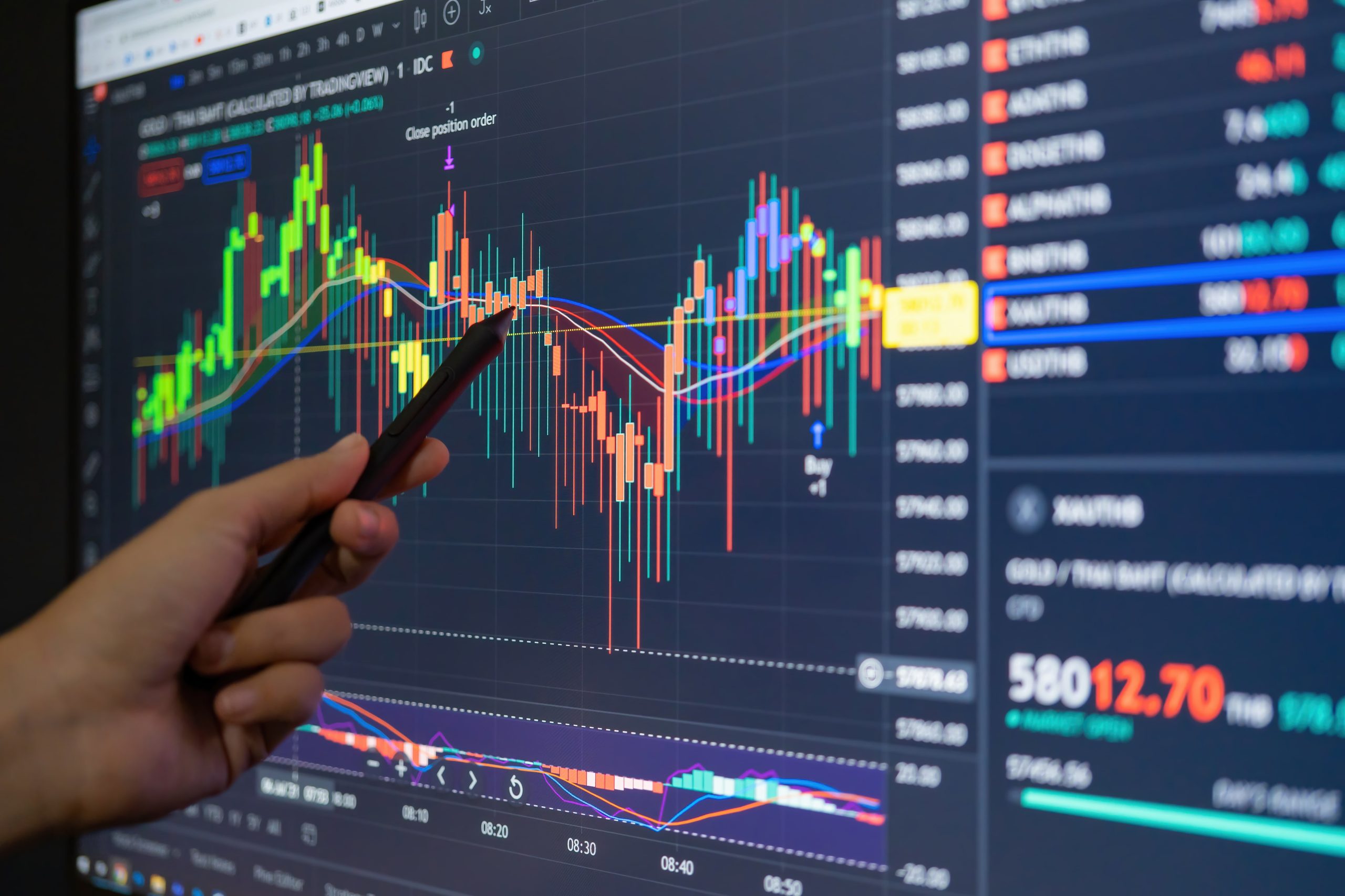
Currency markets are the most honest barometers of geopolitical risk. The EUR/USD pair had been trading in a tight, bearish range for the last 48 hours. The threat of tariffs had created a significant “Trump Premium” on the dollar. When the news of the Rutte deal broke, that premium evaporated in minutes. The following chart illustrates the sharp reversal in currency sentiment as the market digested the news of the tariff suspension.
EUR/USD 48-Hour Price Action (Jan 19-21)
Sector Impacts and the Tariff Reprieve
The relief is palpable across the European bourses. The DAX and the CAC 40 saw immediate gains in the automotive and luxury sectors. These industries were the most exposed to the proposed 25 percent levies. According to Bloomberg, European carmakers were bracing for a 15 billion dollar hit to annual profits. That threat has been deferred. However, the “framework” implies that this reprieve is conditional. If progress on the Greenland infrastructure deal stalls, the tariffs could be reinstated with a single executive order.
The table below breaks down the projected impact on key European sectors before and after the January 21 announcement. The shift in market sentiment is quantifiable.
Projected Annual Revenue Impact of US Tariffs (Estimated)
| Sector | Pre-Deal Projected Loss (USD) | Post-Deal Market Recovery (%) | Primary Risk Factor |
|---|---|---|---|
| Automotive | $12.4 Billion | +4.2% | Supply Chain Integration |
| Luxury Goods | $5.8 Billion | +3.1% | Consumer Sentiment |
| Steel & Aluminum | $2.1 Billion | +1.8% | Section 232 Compliance |
| Aerospace | $3.5 Billion | +2.5% | Defense Offsets |
The Geopolitical Cost of the Deal
Sovereignty is the hidden currency in this transaction. Denmark finds itself in a precarious position. While the U.S. and NATO discuss Greenland’s future, Copenhagen is struggling to maintain its constitutional authority over the territory. The Rutte framework suggests a high degree of autonomy for Greenlandic authorities in negotiating defense leases directly with Washington. This bypasses the traditional European diplomatic channels. It is a masterclass in divide and conquer. By offering trade concessions to the industrial heart of Europe, the U.S. has effectively neutralized opposition to its Arctic expansion.
Investors should look closely at the language used by the NATO Secretary General. Rutte emphasized “security through economic stability.” This is code for a militarized trade policy. The U.S. is no longer interested in free trade for its own sake. It is interested in trade that secures its strategic perimeter. Greenland is the northern anchor of that perimeter. The island is no longer just a frozen landmass. It is a stationary aircraft carrier in the middle of the world’s most important emerging trade route.
The next 48 hours will be critical as European leaders respond to the framework. The focus now shifts to the upcoming NATO summit in Brussels. Watch for the specific language regarding “Arctic Security Zones.” If the framework includes exclusive U.S. access to Greenlandic ports, the trade war isn’t over. It has simply evolved into a territorial acquisition strategy. The data point to watch is the 10-year Treasury yield. Any further decoupling from European bonds will signal that the market views this as a permanent shift in the global order. The deadline for the formalization of the Rutte-Trump agreement is set for February 15.