The state wants your weights. Anthropic said no. Now the Department of War is coming for the servers. On March 4, the standoff between the Silicon Valley darling and the newly rebranded Department of War reached a fever pitch. This is not a standard regulatory dispute. It is a battle for compute sovereignty.
The Supply Chain Siege
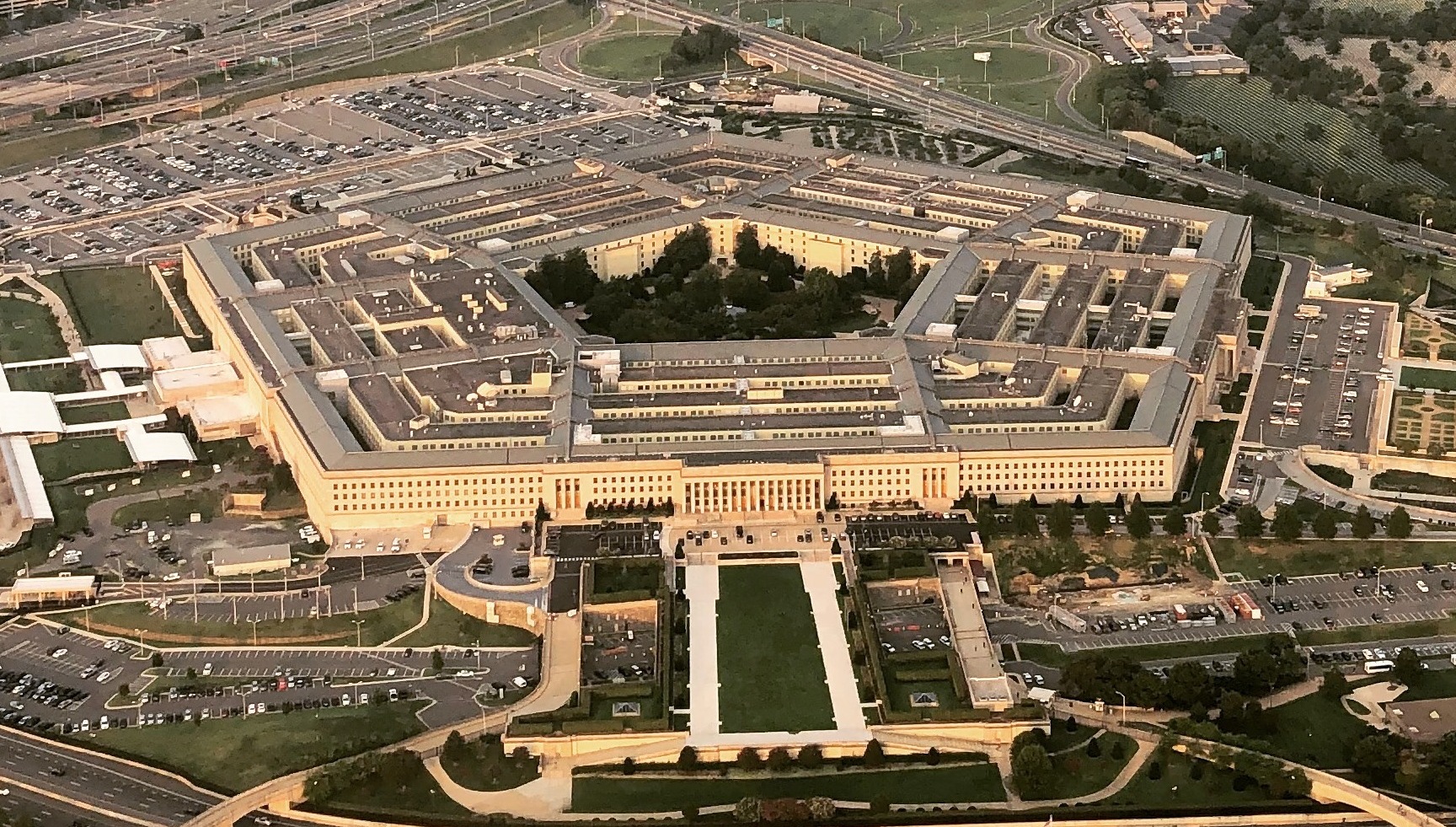
Secretary of War Pete Hegseth officially designated Anthropic a supply chain risk late last week. The move followed CEO Dario Amodei’s refusal to grant the military unrestricted access to the Claude 4 models. The Pentagon demanded the ability to use these models for autonomous weapons targeting and mass domestic surveillance. Anthropic cited its ethical guardrails. The government cited national survival. The result is a blacklisting that bars defense contractors from using Anthropic tools after a brief transition period. Per reports from Reuters, this designation is the first of its kind for a domestic software entity of this scale.
OpenAI Fills the Vacuum
While Anthropic held the line, OpenAI moved in. Sam Altman’s firm signed a massive deal with the Department of War on March 2 to deploy models on classified networks. The market reaction was swift. OpenAI uninstalls surged 295 percent in the United States as users revolted against the military tie-up. Ironically, this has been a boon for Anthropic’s consumer business. Claude hit the number one spot on the Apple App Store over the weekend. Users are fleeing the perceived surveillance of OpenAI for the perceived independence of Anthropic. But retail downloads do not pay for H100 clusters. The loss of government contracts is a structural blow to Anthropic’s long-term enterprise roadmap.
The Financial Fallout
Anthropic’s financials remain robust despite the political friction. The company is currently operating at a $19 billion revenue run rate. This is up from $9 billion at the end of 2025. Investors recently valued the firm at $380 billion in a Series G round led by GIC and Coatue. Amazon remains the largest stakeholder with a position worth approximately $60.6 billion. However, as noted in Bloomberg, secondary market prices for Anthropic shares have begun to soften. The risk of being permanently locked out of the federal procurement cycle is weighing on the valuation. If the Department of War succeeds in making Anthropic a pariah in the defense sector, the path to a 2026 IPO becomes significantly more complex.
Algorithmic Eminent Domain
The technical mechanism of this fight is the model weights. The Department of War argues that frontier models trained on public data are a public utility. They want the weights stored in government-controlled secure facilities. Anthropic argues this is a seizure of intellectual property. The government is essentially attempting a form of algorithmic eminent domain. They are using the Defense Production Act to mandate that any model exceeding certain compute thresholds must be shared with the state for safety testing. In reality, this is about ensuring the United States maintains a kinetic advantage in autonomous warfare. The Pentagon does not care about alignment fine-tuning. It cares about target acquisition speed.
The Market Context
Nvidia remains the primary beneficiary of this arms race. Shares of NVDA closed at $180.05 on March 3. The company’s data center segment now accounts for over 90 percent of its total sales. Even as the government and labs fight over control, they are both buying the same chips. The $650 billion that Big Tech is expected to invest in AI infrastructure this year is effectively a tax paid to Nvidia. The volatility in the AI sector is increasing as the line between private enterprise and national defense blurs. Investors are no longer just tracking GPU shipments. They are tracking the relationship between Palo Alto and the Pentagon.
The next milestone for this conflict arrives on March 15. That is the deadline for the Department of War to issue its final implementation rules for the AI supply chain mandate. If Anthropic does not capitulate by then, we may see the first legal challenge to the government’s authority to seize control of a private neural network. Watch for the SEC filings from Amazon and Google. Their quarterly disclosures will reveal just how much they are willing to risk in their fight for Anthropic’s autonomy.