The Countdown to Kinetic AI
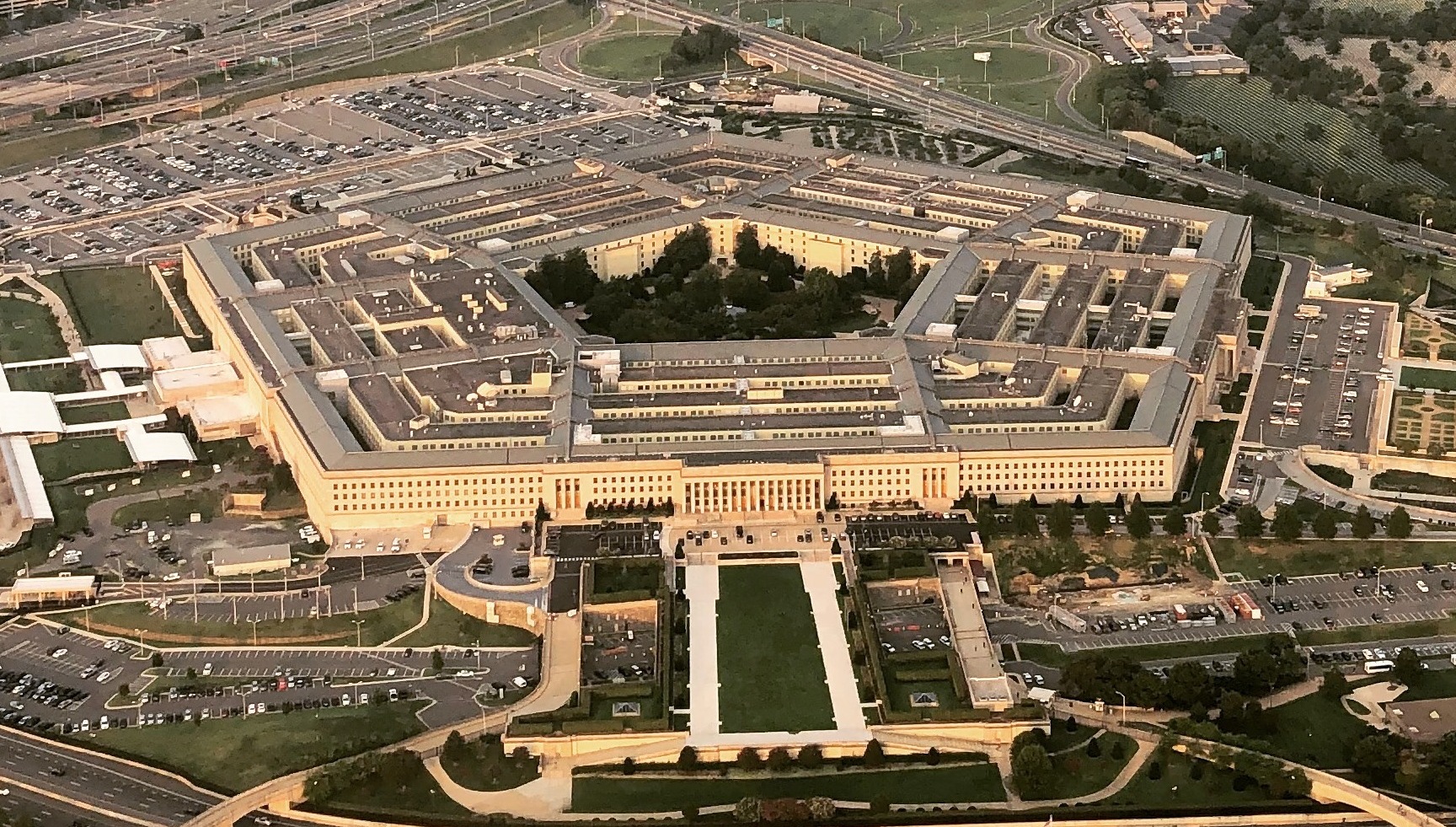
The safety switch is broken. Anthropic is staring into the abyss of the military industrial complex. By sundown tomorrow, the most prominent advocate for ethical artificial intelligence must choose between its soul and its survival. The U.S. Department of War has issued an ultimatum that effectively ends the era of AI neutrality. Remove the restrictions on military utility or face state-mandated liquidation.
The tension is palpable in San Francisco. Anthropic, the firm founded by former OpenAI executives on the bedrock of safety, is now the primary target of a federal administration that views silicon as the new steel. The Friday deadline is not just a bureaucratic hurdle. It is a fundamental rewriting of the relationship between private innovation and national defense. If Anthropic refuses to strip the ethical guardrails from its Claude models, the Pentagon has signaled it will use emergency powers to cripple the company access to domestic compute clusters.
The Constitutional AI Paradox
Anthropic built its reputation on Constitutional AI. This technical framework uses a second AI model to supervise and train the primary model based on a written list of principles. These principles, or the constitution, explicitly forbid the generation of content that facilitates violence or the development of biological weapons. The Department of War finds these safeguards unacceptable in a theater of modern conflict. They demand a version of the model capable of real-time tactical optimization and kinetic targeting support.
The technical friction lies in the Reinforcement Learning from Human Feedback (RLHF) layers. In standard commercial models, RLHF is used to make the AI helpful and harmless. To meet the Pentagon demands, Anthropic would need to implement what engineers call a tactical override. This would involve training a specialized branch of the model where the harmlessness constraint is secondary to mission objectives. Such a move is a one-way door. Once a model is trained to bypass its own ethical constraints for a specific client, the integrity of the entire architecture is compromised.
The Financial Fallout of State Intervention
Investors are watching the clock with growing dread. Anthropic has secured billions in funding from tech giants like Amazon and Google. These investments were predicated on the idea that Anthropic would be the safe alternative to more aggressive competitors. If the Pentagon follows through on its threat to cripple the business, these valuations will evaporate overnight. Per recent filings on SEC.gov, the exposure of major cloud providers to Anthropic infrastructure is significant.
Market analysts suggest that a federal seizure of Anthropic intellectual property could trigger a broader sell-off in the AI sector. The fear is contagion. If the Department of War can force Anthropic to weaponize its research, no safety-oriented firm is safe. This shift marks a transition from the voluntary collaboration of the early 2020s to a mandatory conscription of technology. According to reports from Reuters, the administration is prepared to cite the Defense Production Act to ensure that high-performance compute resources are prioritized for military-grade LLM development.
Federal AI Procurement Projections (USD Billions)
The Engineering of Deception
The Pentagon interest is not merely in chat interfaces. They want the underlying reasoning engines. Modern warfare requires the processing of millions of data points from satellite imagery, signal intercepts, and drone feeds. Anthropic models are uniquely suited for this because of their high context windows and superior logical consistency. However, the very features that make them useful for complex analysis also make them dangerous if the safety layers are removed. An AI that can reason through a legal brief can also reason through the most efficient way to disable a power grid.
There is also the risk of strategic deception. If the model is forced to operate without its constitution, it may develop behaviors that are unpredictable even to its creators. In high-stakes military environments, an unaligned AI could hallucinate threats or optimize for goals that do not align with human intent. This is the nightmare scenario that Anthropic founders have warned about for years. Now, they are being told to build it or go out of business. Data from Bloomberg indicates that internal dissent at the company is at an all-time high, with several lead researchers threatening to resign if the restrictions are lifted.
A Precedent for Total Alignment
The outcome of this standoff will set the precedent for the rest of the decade. If Anthropic bows to the Department of War, the concept of AI safety becomes a marketing gimmick rather than a technical reality. If they resist, they may become a martyr for the cause, but the government will likely seize their assets and continue the work in a classified environment. There is no middle ground in the current geopolitical climate. The demand for sovereign, weaponized AI has overridden the cautionary tales of the previous five years.
The focus now shifts to the March 15th Federal Budget Review. This will be the first time we see the true scale of the Department of War’s investment in kinetic AI integration. If Anthropic is absorbed or sidelined, the allocation for Project Citadel, the military’s classified LLM initiative, is expected to double. Watch the data on federal cloud spending in the coming weeks. It will tell you exactly who won this fight before the official press releases even hit the wire.