The Chokepoint Fallacy
The market is obsessed with the wrong numbers. Iran produces roughly 3.3 million barrels per day. This is a rounding error in a 104 million barrel market. Yet every time a drone hums over the Persian Gulf, Brent Crude spikes three percent. This is not a supply problem. This is a geography problem.
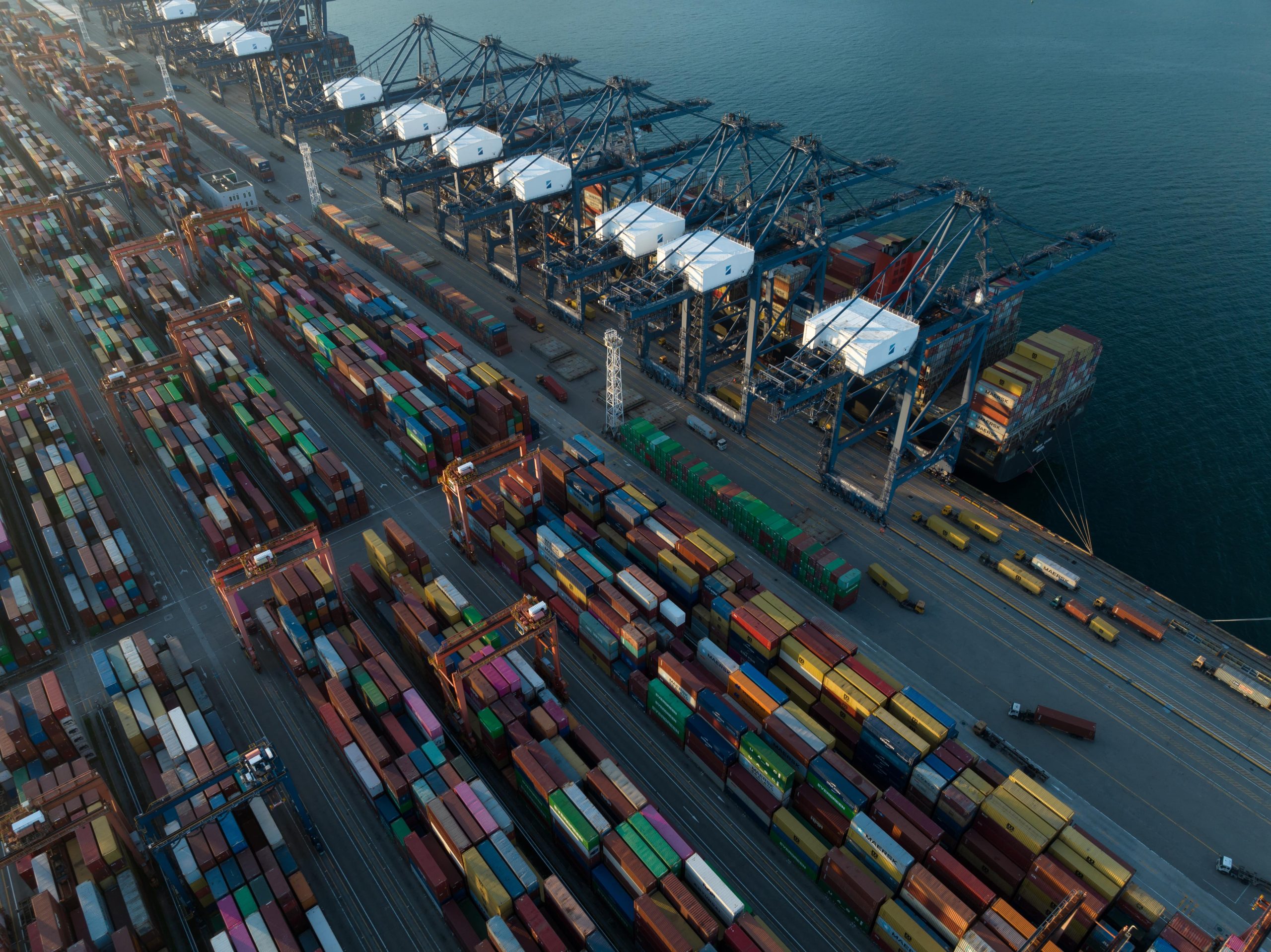
The Strait of Hormuz is the world’s jugular. Twenty-one million barrels of oil pass through this narrow strip of water every twenty-four hours. That represents twenty percent of global liquid petroleum consumption. If the gate closes, the global economy enters a cardiac arrest. Per the latest Reuters commodity tracking data, the volume of crude and condensates moving through the strait has increased by 4 percent year-over-year, despite the shift toward renewables.
Global Oil Chokepoint Daily Volumes vs. Iranian Production
The Shadow Fleet Infrastructure
Sanctions are a sieve. The ‘Shadow Fleet’ is the secondary nervous system of the global oil trade. Over 400 tankers now operate outside the reach of Western insurance and tracking. They spoof AIS signals. They conduct ship-to-ship transfers in the dead of night. This infrastructure keeps Iranian crude flowing to Teapot refineries in Shandong, regardless of what the Treasury Department says.
The technical mechanism is simple. A VLCC (Very Large Crude Carrier) leaves Kharg Island and turns off its transponder. It meets a ‘clean’ tanker in the South China Sea. The barrels are blended and rebranded as Malaysian or Omani crude. This ‘dark’ supply chain is now so efficient that it has its own dedicated insurance syndicates based in non-extradition jurisdictions. According to Bloomberg Energy reports from earlier this week, the discount on Iranian Light has narrowed to just $4 below Brent, suggesting robust demand despite the legal risks.
Beijing as the Ultimate Underwriter
China is the buyer of last resort. By absorbing Iranian barrels, Beijing secures a discount that fuels its industrial recovery. This creates a floor for Iranian production that sanctions cannot crack. The relationship is symbiotic. Iran gets hard currency to stabilize the Rial. China gets a strategic reserve that is insulated from US dollar hegemony.
The current price action reflects this fragility. Brent crude traded at $89.12 this morning. The risk premium is baked in. Traders are not pricing in a loss of Iranian barrels. They are pricing in the cost of rerouting the world’s energy supply. If Hormuz is blocked, the cost of freight and insurance would triple overnight. That is the real ‘Iran effect’ on the pump.
Estimated Iranian Crude Exports by Destination (January 2026)
| Destination | Volume (Barrels per Day) | Primary Payment Method |
|---|---|---|
| China (Teapot Refineries) | 1,450,000 | Digital Yuan / Barter |
| Syria | 110,000 | State Credit Lines |
| Other / Dark Fleet Transfers | 280,000 | Cryptocurrency / Escrow |
| Domestic Consumption | 1,460,000 | Local Currency |
Market Volatility and the January Surge
The volatility we are seeing this week is a direct result of inventory draws. The EIA International Energy Statistics released on January 21 showed a surprise 4.2 million barrel draw in global commercial stocks. This leaves the market with zero margin for error. When the buffer is thin, geopolitical noise carries more weight.
Iran knows this. They do not need to fire a shot to move the market. They only need to move a destroyer. The mere suggestion of ‘technical drills’ near the Musandam Peninsula is enough to trigger algorithmic buying. The ‘fear trade’ is more profitable for the IRGC than the actual sale of the oil. They benefit from the price hike on the barrels they do manage to export through the shadow network.
The next data point to monitor is the February 12 deadline for the renewal of P&I insurance for the Greek tanker fleet. If the EU tightens the ‘dark fleet’ loopholes, we could see a sudden contraction in Iranian export capacity. Watch the Brent-WTI spread. A widening spread past $5.50 will signal that the market is finally pricing in a physical disruption rather than just geopolitical theater.