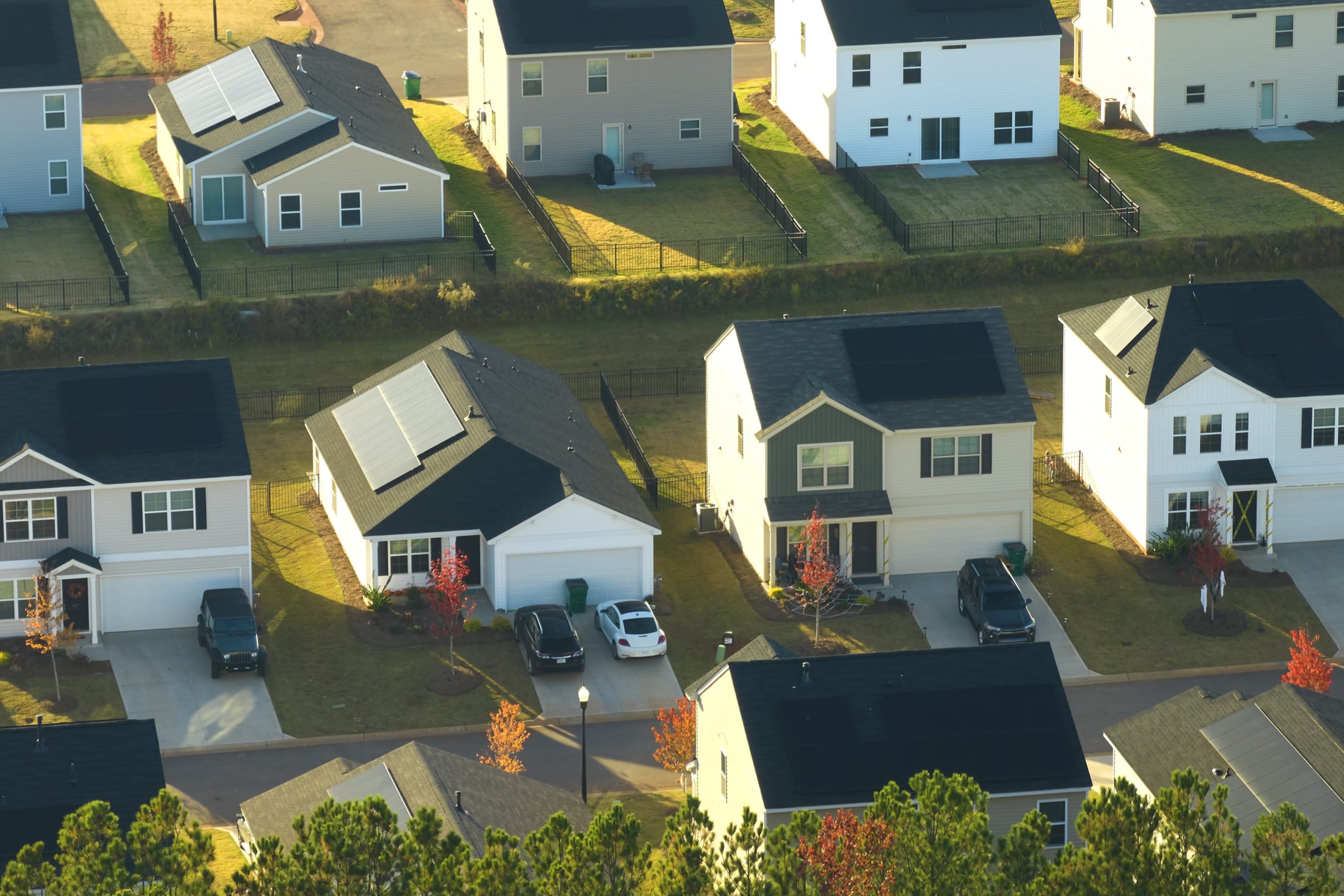
The American Dream is not dying; it is being priced out of existence by a structural shift in how capital treats shelter. As of December 01, 2025, the gap between the landed gentry and the permanent renter class has moved beyond a sociological quirk into a systemic threat to labor productivity. When the path to equity is severed, the incentive to participate in the traditional economy dissolves.
The Financial Nihilism of the Permanent Renter
Hope is a capital asset. For decades, the belief that hard work translated into a fixed-rate mortgage served as the primary engine for domestic savings. Today, that engine is seized. In late 2025, the median home price sits at a staggering multiple of median income that makes the 2006 bubble look conservative. Per the latest Case-Shiller data released in late November, residential valuations have defied the gravity of 6% mortgage rates, driven largely by institutional consolidation and a chronic supply deficit.
When workers realize their surplus labor cannot buy them an entry-level asset, they stop saving. They pivot to high-velocity consumption or speculative ‘all-or-nothing’ bets in the options market. This is the ‘Wealth Gap’ in its most corrosive form. The Federal Reserve’s 2021 data, which noted a $292,000 net worth delta between owners and renters, is now an ancient relic. Internal estimates for Q4 2025 suggest that gap has widened to nearly $415,000, as equity gains for incumbents outpace wage growth by a factor of three.
The Institutional Squeeze on Single-Family Supply
Wall Street has effectively commoditized the neighborhood. In the 48 hours leading into December, trading volumes for Single-Family Rental (SFR) REITs reached a six-month high as investors front-run the anticipated 2026 supply crunch. Companies like Zillow (Z) and Redfin (RDFN) have transitioned from being simple marketplaces to algorithmic gatekeepers. Their data-rich platforms allow institutional buyers to snatch properties before they even hit the public MLS, leaving the average first-time buyer to compete against a ‘cash-only’ algorithm.
The Cost of Inaction: A Quantitative Breakdown
The math of 2025 is brutal. In markets like Phoenix, Charlotte, and Dallas, the monthly cost of owning a median-priced home—including taxes and insurance—now exceeds the cost of renting an equivalent property by 42%. This is the ‘Locked-In’ effect. Existing homeowners are staying put to keep their sub-3% rates from the pandemic era, while prospective buyers are staring at a monthly carry cost that consumes 50% of their take-home pay.
| Metro Area (Dec 2025) | Median Price | Monthly Buy Cost | Monthly Rent |
|---|---|---|---|
| Austin, TX | $585,000 | $3,950 | $2,400 |
| Atlanta, GA | $445,000 | $3,100 | $2,150 |
| Phoenix, AZ | $510,000 | $3,450 | $2,250 |
The Mechanism of Generational Wealth Transfer
Wealth inequality in 2025 is no longer about income; it is about inheritance. The ‘Great Wealth Transfer’—the passing of trillions from Boomers to Millennials—has begun, but it is deeply uneven. Those receiving a down payment as a gift are entering the market and building equity, while those without familial assistance are effectively subsidizing their landlord’s mortgage. This creates a two-tier society where class status is hereditary rather than meritocratic.
The technical mechanism of this inequality is ‘forced appreciation.’ When supply is constrained, every new dollar of liquidity (like a Fed rate cut) goes directly into the price of the asset rather than increasing the volume of homes. This is why the recent drop in mortgage rates to 5.8% has actually made the market more competitive and expensive, as buyers rush back into a vacuum of inventory.
Investors must look beyond the surface-level stability of the housing market. The real risk for 2026 lies in the political response to this disenfranchisement. We are seeing a surge in local ‘Right to Counsel’ laws for renters and aggressive new zoning mandates that challenge the sanctity of single-family neighborhoods. The ‘Belief’ in homeownership is transitioning into a ‘Demand’ for housing equity, and the legislative backlash against institutional landlords is the next major macro tailwind to watch. The critical data point to monitor is the Q1 2026 Homeownership Rate report—if it dips below 65%, expect the regulatory hammer to fall on the SFR sector.