The Hormuz Chokepoint and the Fragility of Hegemony
Fortune is asking the wrong questions. The dollar is not dying. It is being strangled by its own geography. When mainstream outlets flirt with the end of the American superpower, they often ignore the physical plumbing of the global economy.
The Strait of Hormuz remains the most sensitive carotid artery in global finance. Twenty million barrels of oil flow through this narrow passage every day. That represents roughly one-fifth of global liquid petroleum consumption. Markets price in a “stability premium” based on the assumption that the U.S. Fifth Fleet can keep the water open. If Iran secures kinetic or even regulatory control over these waters, the premium evaporates. It is replaced by a volatility index that no central bank can suppress.
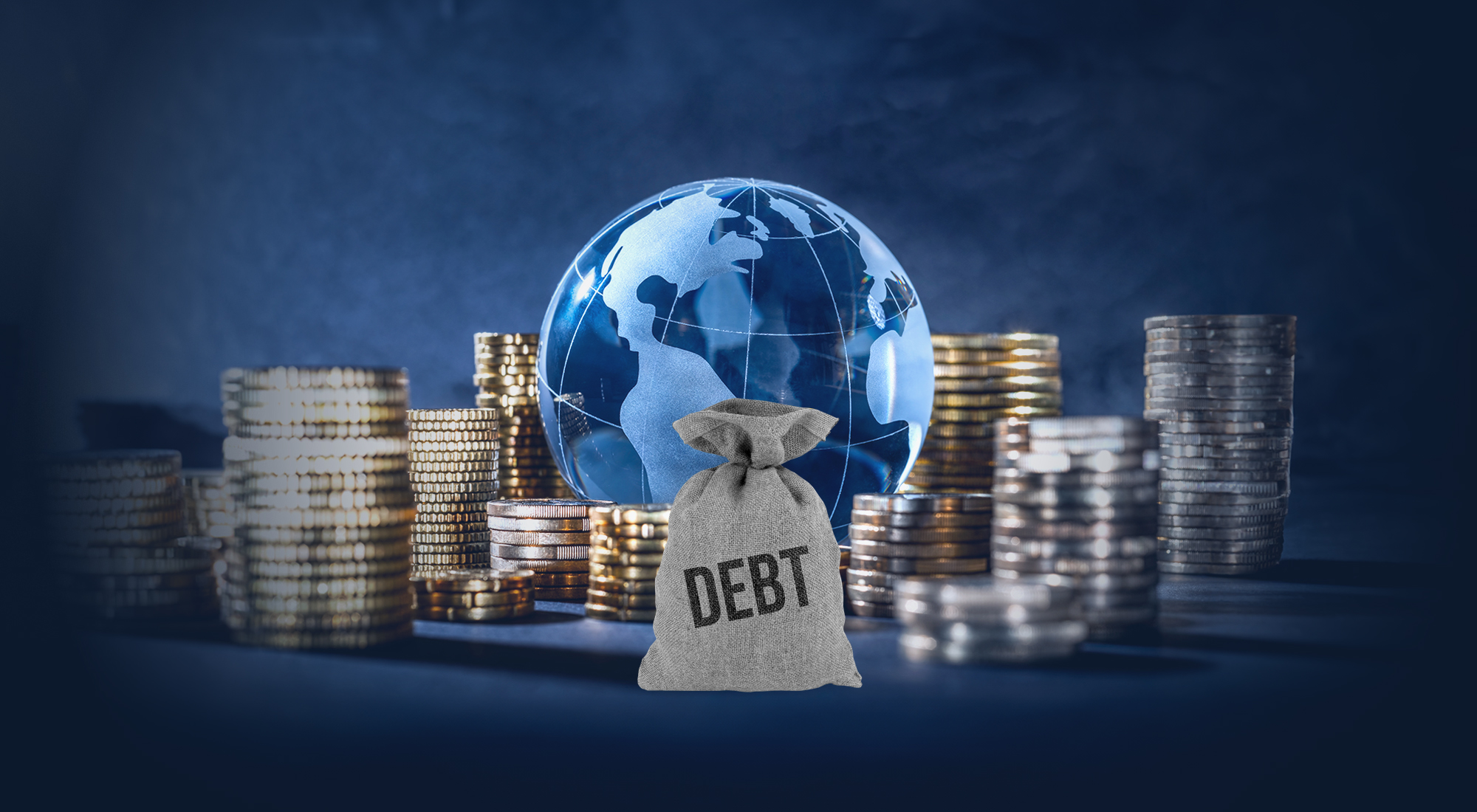
The petrodollar is a ghost. The 1974 agreement between Washington and Riyadh relied on a simple trade of security for dollar-priced crude. That social contract has expired. Saudi Arabia now accepts multiple currencies for oil exports, including the Chinese Yuan. The mechanism of dollar dominance has shifted from the oil pump to the debt market. Foreign reserves are held in Treasuries because there is no other liquid alternative, not because the world loves the greenback. Iran knows this vulnerability. By threatening the Strait, they are not just attacking tankers. They are attacking the collateral backing the global financial system.
Empires do not collapse during a single afternoon. They erode through fiscal overreach and the loss of the global commons. The United States currently spends more on interest payments for its national debt than on its entire defense budget. This is the math of a declining power. When Fortune suggests they would not bet on the end of dollar dominance, they are betting on momentum. They are betting that the incumbent always wins because the challenger is too disorganized. This ignores the reality of multipolar trade blocks that are actively building parallel financial architectures to bypass the SWIFT system.
Control of the SoH provides Iran with a veto over global inflation. A total blockade would send Brent crude toward three hundred dollars per barrel within weeks. Such a spike would trigger a systemic margin call on the global economy. Western central banks would be forced to choose between saving the currency or saving the banking system. They cannot do both. The technical reality of modern warfare means that cheap drones and sea mines can effectively neutralize trillion-dollar carrier strike groups in confined waters. The cost-to-kill ratio has shifted in favor of the insurgent state.
Liquidity is the ultimate weapon. The dollar remains dominant because it is the most liquid asset in times of crisis. However, if the crisis originates from the destruction of the energy supply chain, that liquidity becomes a liability. Investors flee to tangible assets. Gold, commodities, and even decentralized digital ledgers gain ground as the credibility of the sovereign issuer fades. The SoH is the physical trigger for a psychological shift in how the world perceives American reliability.
The narrative of the American superpower is built on the illusion of permanent stability. This illusion is maintained by a thin layer of naval power and the legacy of post-WWII institutions. We are witnessing the transition from a unipolar world to a fragmented landscape of regional powers. Iran does not need to win a war to end the petrodollar. They only need to make the cost of maintaining it too expensive for the American taxpayer to bear. The math is relentless. The geography is unforgiving. The market is finally starting to pay attention to the plumbing.