The Hype Cycle Hits the Silicon Ceiling
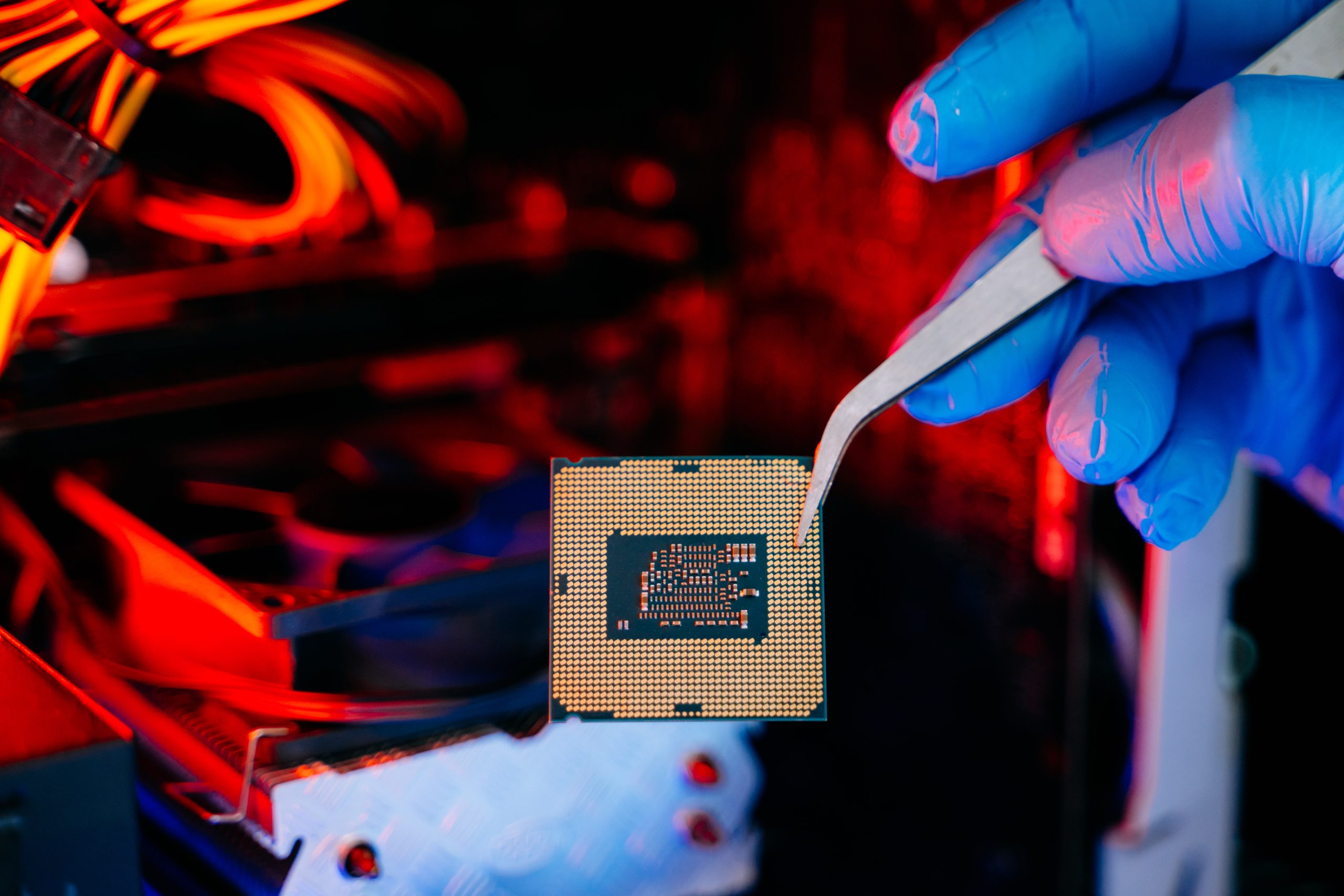
The air in the conference halls of the Morgan Stanley Technology, Media & Telecom (TMT) Conference smells of expensive espresso and institutional skepticism. The era of blind capital injection into anything with an “.ai” suffix has ended. Investors are no longer asking when the revolution starts. They are asking why the electricity bill is so high. Meta Marshall, a leading voice at the conference, articulated a shift that the market is only beginning to price in. The focus has moved from theoretical model parameters to the brutal physics of deployment. We are witnessing the arrival of the AI bottleneck.
Compute is no longer the primary constraint. Power is. The grid cannot keep up with the gigawatt-scale requirements of the next generation of inference clusters. According to data tracked by Bloomberg, the lead time for high-voltage transformers has stretched to nearly three years. This physical reality is forcing a pivot in how enterprise capital is allocated. Firms are moving away from massive, general-purpose models toward hyper-efficient, domain-specific architectures that can run on the edge or within existing private clouds.
The Consolidation of the Security Stack
Cybersecurity is undergoing a violent contraction. The era of the “point solution” is dead. Chief Information Security Officers (CISOs) are exhausted by the overhead of managing forty different vendors. The conference discussions highlighted a massive push toward platform consolidation. This is not just about cost-cutting. It is about data gravity. If your security data is siloed across ten different platforms, your AI-driven threat detection is effectively blind.
The market is rewarding the aggregators. Companies that can offer an integrated fabric of identity, endpoint, and cloud security are winning the budget wars. Per recent Reuters reports on enterprise spending, nearly 70 percent of Fortune 500 companies have committed to reducing their security vendor count by half before the end of the fiscal year. This consolidation creates a winner-take-all dynamic that favors incumbents with deep balance sheets and integrated ecosystems.
Figure 1: Enterprise Tech Budget Allocation as of March 5, 2026.
Public Safety and the Adoption Gap
One of the most overlooked sectors at the conference is the modernization of public safety. While the consumer internet bickers over chatbots, the infrastructure of emergency response is being quietly rebuilt. The adoption of AI in public safety is no longer a luxury. It is a necessity driven by staffing shortages in dispatch centers across the country.
Meta Marshall noted that the integration of real-time video analytics and automated dispatching is finally moving past the pilot stage. This is a high-margin, sticky business. Government contracts are difficult to win but nearly impossible to lose once embedded. The technical challenge remains the interoperability of legacy radio systems with modern broadband data. The firms solving this “last mile” of public safety communication are seeing record-high valuation multiples despite the broader market volatility.
| Sector Metric | 2025 Actual (YoY) | March 2026 Forecast | Primary Growth Driver |
|---|---|---|---|
| AI Capex Growth | +114% | +42% | Inference Efficiency |
| Cybersecurity Spend | +12% | +18% | Platform Consolidation |
| Public Safety Tech | +5% | +14% | AI Dispatch Adoption |
| Cloud Infrastructure | +22% | +19% | Edge Computing |
The Regulatory Shadow
The SEC has intensified its scrutiny of how companies disclose AI-related risks. It is no longer enough to claim that AI will improve productivity. Regulators are now demanding specific disclosures regarding data provenance and the energy intensity of operations. As noted in recent SEC.gov filings, three major tech firms were issued comment letters this week regarding their lack of transparency in “AI-adjacent” revenue reporting. This regulatory pressure is forcing a level of honesty that the market has avoided for two years. The “black box” era of tech valuation is closing. Transparency is the new alpha.
Looking ahead, the focus shifts to the upcoming quarterly earnings cycle where the first true “post-bottleneck” numbers will be revealed. Investors should watch the 10-year Treasury yield closely, as any further spikes will likely trigger a re-valuation of the high-multiple cybersecurity stocks that have led the recent rally. The next milestone to watch is the April 15 energy grid reliability report, which will dictate the pace of data center expansions for the remainder of the year.