The structural deficit of life
Capital markets obsess over liquidity. They track the flow of dollars, the velocity of M2, and the depth of the overnight repo market. They ignore the only liquidity that actually matters for physical survival. Two billion people currently lack access to safe drinking water. This is not a rounding error. It is a systemic failure of global infrastructure that threatens the stability of emerging markets. The United Nations Development Programme (UNDP) recently highlighted this gap, noting that the crisis is not merely a matter of scarcity but of distribution and gendered labor. Water is a human right, yet it is priced as a luxury in the places that can least afford it.
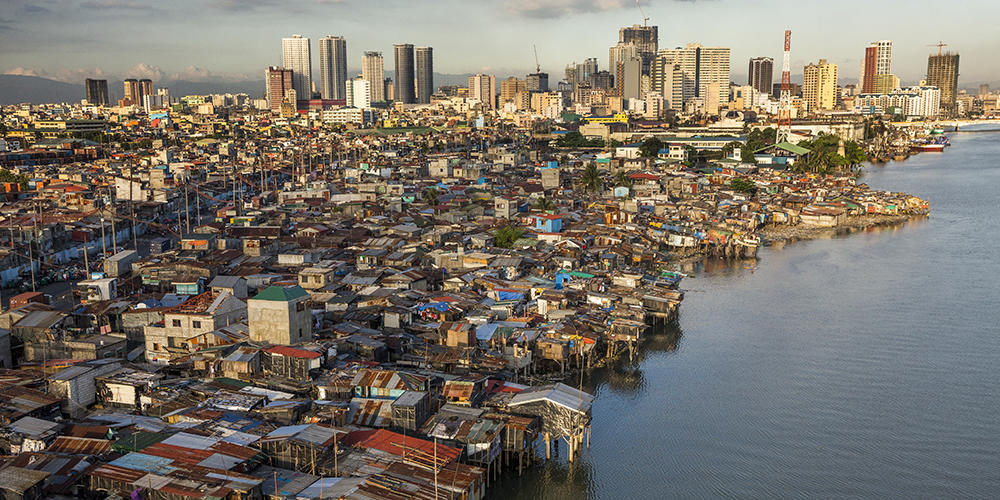
Infrastructure is crumbling in the Sanaa Basin. Glaciers are retreating in the Andes. Wells are running dry in West Africa. These are not isolated environmental incidents. They are leading indicators of sovereign risk. When a state cannot provide basic hydration, its social contract dissolves. We see this today in the widening gap between those with piped access and those reliant on predatory private tankers. The cost of water in informal settlements is often ten times the rate paid by industrial users in the same city.
The opportunity cost of the gender gap
Water collection is a tax on time. In most of the developing world, this tax is levied exclusively on women and girls. This is a massive drag on human capital. The UNDP reports that closing the gender gap in water security is essential for economic development. When women spend four hours a day fetching water, they are not in the workforce. They are not in school. They are not starting businesses. This represents hundreds of millions of hours of lost productivity every single day.
Technical analysis of labor markets in Sierra Leone and Bolivia shows a direct correlation between water proximity and female literacy rates. In regions where UNDP has intervened to provide local community wells, the shift in local economic activity is immediate. However, these localized successes are being outpaced by macro-climatic shifts. The gendered nature of water collection makes it a hidden variable in GDP calculations. It is a form of unpaid labor that sustains the economy while being ignored by the balance sheets of central banks.
Geopolitical flashpoints in the Sanaa Basin
Yemen is the canary in the coal mine. The country is effectively running out of groundwater. Conflict has decimated the existing infrastructure, leaving millions dependent on humanitarian aid. According to a recent report on Yemen infrastructure, the cost of diesel to pump water from deepening aquifers has made agriculture nearly impossible. This is a resource-driven collapse. When the water stops flowing, the population moves. This creates migration pressures that the current global political order is unprepared to handle.
Bolivia faces a different but equally dire set of circumstances. The reliance on glacial melt for urban centers like La Paz is a ticking clock. As temperatures rise, the seasonal storage capacity of the Andes is vanishing. This has led to renewed calls for resource nationalism. The tension between private utility contracts and the public right to water is a recurring theme in Bolivian politics. It is a preview of the legal battles that will define the next decade of infrastructure investment.
Regional Water Access and Economic Impact
| Region | Access to Safe Water (%) | Annual GDP Loss (Estimated) | Primary Stress Factor |
|---|---|---|---|
| Yemen | 18% | 12.4% | Aquifer Depletion / Conflict |
| Sierra Leone | 32% | 8.1% | Infrastructure Underinvestment |
| Bolivia | 51% | 4.9% | Glacial Retreat |
| Global Average | 74% | 2.2% | Distribution Inefficiency |
The financialization of thirst
Wall Street has noticed the scarcity. The Nasdaq Veles California Water Index (NQH2O) has seen increased volatility as traders hedge against drought risk. There is a fundamental disconnect here. Financial markets are pricing water as a commodity for high-value agriculture and industrial use, while billions lack the basic liters required for sanitation. This creates a moral and economic hazard. If water is priced solely by the market, the 2 billion people identified by the UNDP will never be served by private capital. The ROI on a village well in Sierra Leone does not compete with a semiconductor fabrication plant in Arizona.
This is where the role of donors and international partners becomes critical. The UNDP is currently working to bridge this gap by de-risking water projects for private investors. They are attempting to turn water security into a bankable asset class. It is a difficult sell. The political risk is high. The physical risk is higher. Yet, the cost of inaction is a total collapse of the local economies in these stressed basins. Per data from Bloomberg’s commodity desk, the price of water futures is increasingly decoupled from the reality of physical delivery in the Global South.
Water Stress Index by Region (April 7)
The technical challenges are immense. Desalination is energy-intensive. Atmospheric water generation is still in its infancy. For most of the 2 billion people without access, the solution remains basic: pipes, pumps, and protection of existing watersheds. The UNDP’s focus on community-led projects is a recognition that top-down infrastructure often fails to reach the most vulnerable, particularly women. By empowering local communities to manage their own water resources, the cycle of dependency can be broken. But this requires a level of sustained funding that has yet to materialize on the global stage.
The next major data point for the market will be the July 15 release of the Global Water Risk Map. This report is expected to show a further 5% increase in water-stressed regions. Investors should watch the sovereign bond yields of countries in the Sanaa and Andean basins. If the water runs out, the ability to service debt goes with it. The liquidity crisis is real, and it is flowing through the world’s broken pipes.