The Great Industrial Pivot
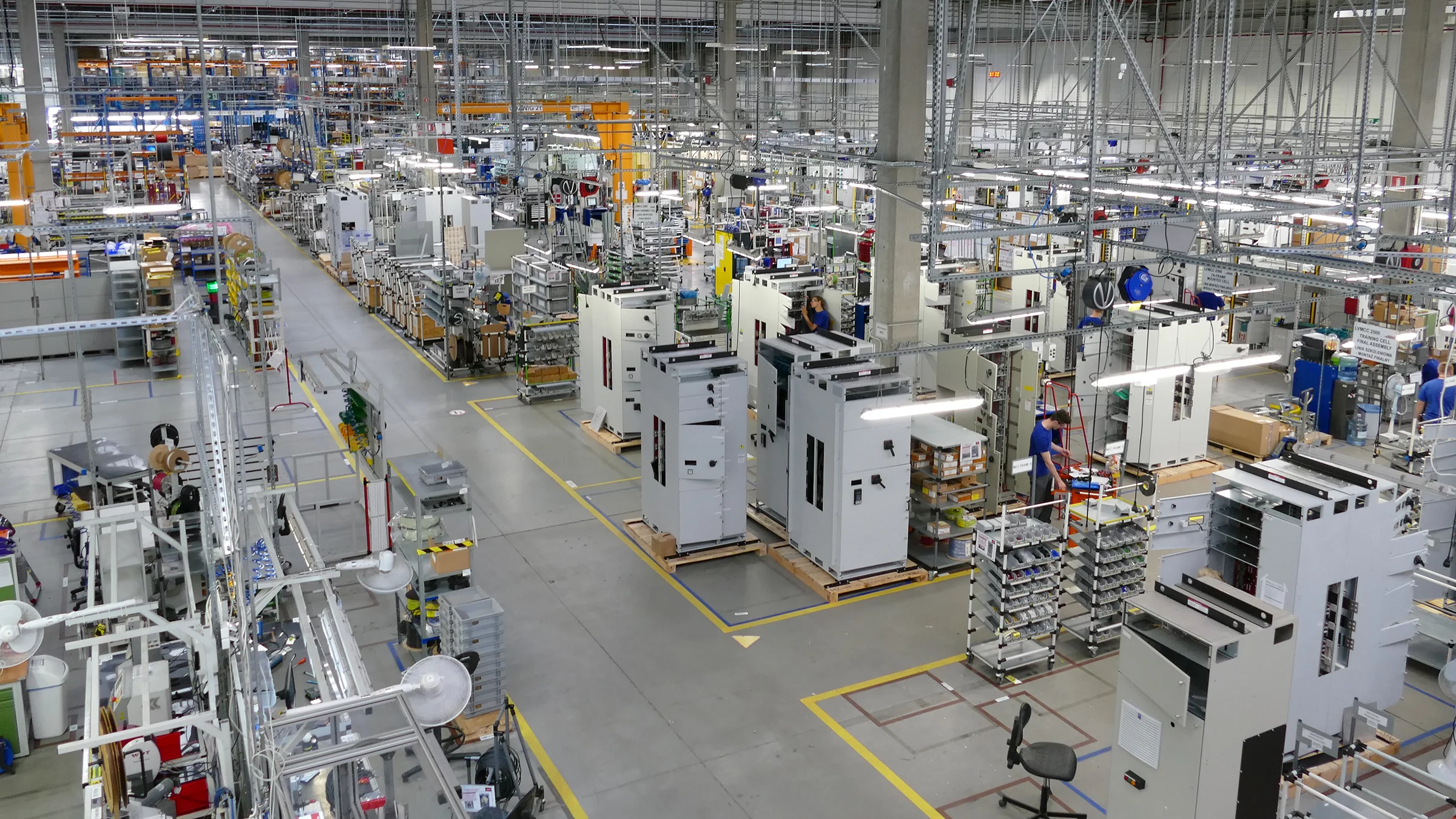
The factory floor is no longer a place of grease and grit. It is a theater of code. Recent reports from industrial giants suggest that the long-promised era of autonomous production is finally crossing the chasm from pilot programs to structural reality. This shift is not a choice. It is a desperate response to a labor market that has fundamentally broken. According to the latest Bureau of Labor Statistics data, American manufacturers shed 8,000 jobs in December alone, marking the eighth consecutive month of losses. The structural rot is evident: the humans are leaving, and they are not coming back.
Software is filling the void. The traditional factory was a rigid assembly of hardware, governed by Programmable Logic Controllers (PLCs) that required months of specialized manual coding to change a single process. That era is dead. We are witnessing the rise of the software-defined factory, where generative AI and digital twins allow for what engineers call virtual commissioning. This means a factory can be built, tested, and optimized in a digital environment before a single bolt is turned. The result is a hyper-flexible production line capable of switching from automotive parts to medical devices in minutes rather than months.
The Financialization of the Assembly Line
Investors are starting to price in this transition. The S&P 500 Industrials sector has surged 5.22% in the first two weeks of January, significantly outperforming the broader market. This rally is driven by a realization that industrial companies are becoming software companies in disguise. Rockwell Automation, for instance, recently issued fiscal guidance projecting adjusted earnings per share between $11.20 and $12.20, fueled by robust recurring software demand. The capital intensity is shifting from physical assets to digital logic.
This is not just about efficiency. It is about survival in a high-tariff environment. The April 2025 trade policies have forced a localized reshoring effort that would be economically impossible without massive automation. Manufacturers are using agentic AI to manage supply chain volatility in real time, bypassing the need for large procurement teams. These agents do not just analyze data; they execute orders, adjust inventory, and mitigate risks without human intervention. The ‘different type of factory’ mentioned by analysts is actually an autonomous ecosystem where the only human presence is oversight.
The Digital Twin Paradox
The technical mechanism behind this shift is the composite digital twin. Early iterations of this technology were mere 3D models. Today, they are live, data-driven mirrors of the physical world. By integrating operational technology (OT) with real-time energy pricing and logistics data, companies can simulate the impact of a power fluctuation in Germany on a production line in Ohio before it happens. This level of predictive insight is the new gold standard for industrial competitiveness.
However, the paradox remains. While software solves the labor shortage, it creates a massive dependency on a new, even scarcer resource: high-end technical talent capable of managing these AI-driven systems. The skills gap is widening. Companies like Siemens are now investing millions into ‘no-code’ industrial platforms that allow floor managers to program robots using natural language. They are trying to democratize complexity to prevent the entire system from seizing up under its own weight.
The next critical milestone occurs on January 21, when Rockwell Automation releases its Q1 earnings report. Analysts will be looking past the revenue numbers to the ‘Software-to-Hardware’ ratio. If the growth in recurring software revenue continues to outpace physical equipment sales, it will confirm that the industrial sector has officially decoupled from the traditional manufacturing cycle. Watch the 56% threshold for software CapEx; crossing it marks the point of no return for the old industrial order.